Achieving moist, flavorful quick loaves, breakfast bars, and savory snacks starts with mastering several foundational baking techniques. By focusing on thoughtful ingredient selection, gentle mixing practices, and intentional flavor layering, home bakers can consistently create satisfying baked goods with appealing texture and balanced taste.
Thoughtful Ingredient Selection to Enhance Texture and Flavor
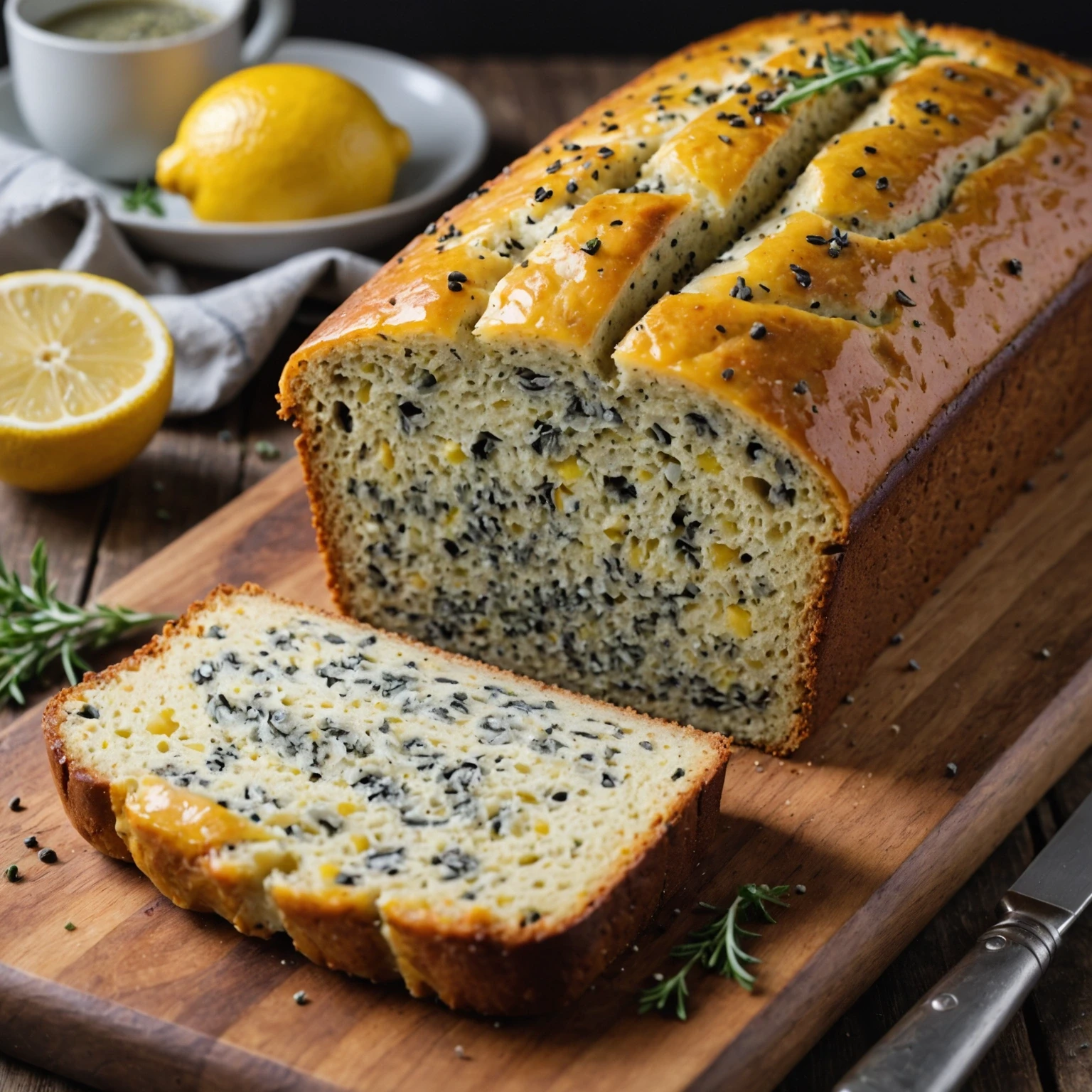
The quality and type of ingredients form the foundation for your baked goods’ texture and taste. To ensure tender, moist quick breads or bars, incorporate moisture-rich ingredients like yogurt, applesauce, or ripe mashed fruits. These naturally infuse softness and mild sweetness while helping control fat and sugar content. For instance, Greek yogurt not only adds moisture but also contributes a tangy note and a tighter crumb structure, as demonstrated in the Gluten-Free Lemon Poppy Seed Breakfast Loaf with Greek Yogurt – Easy Morning Bake.
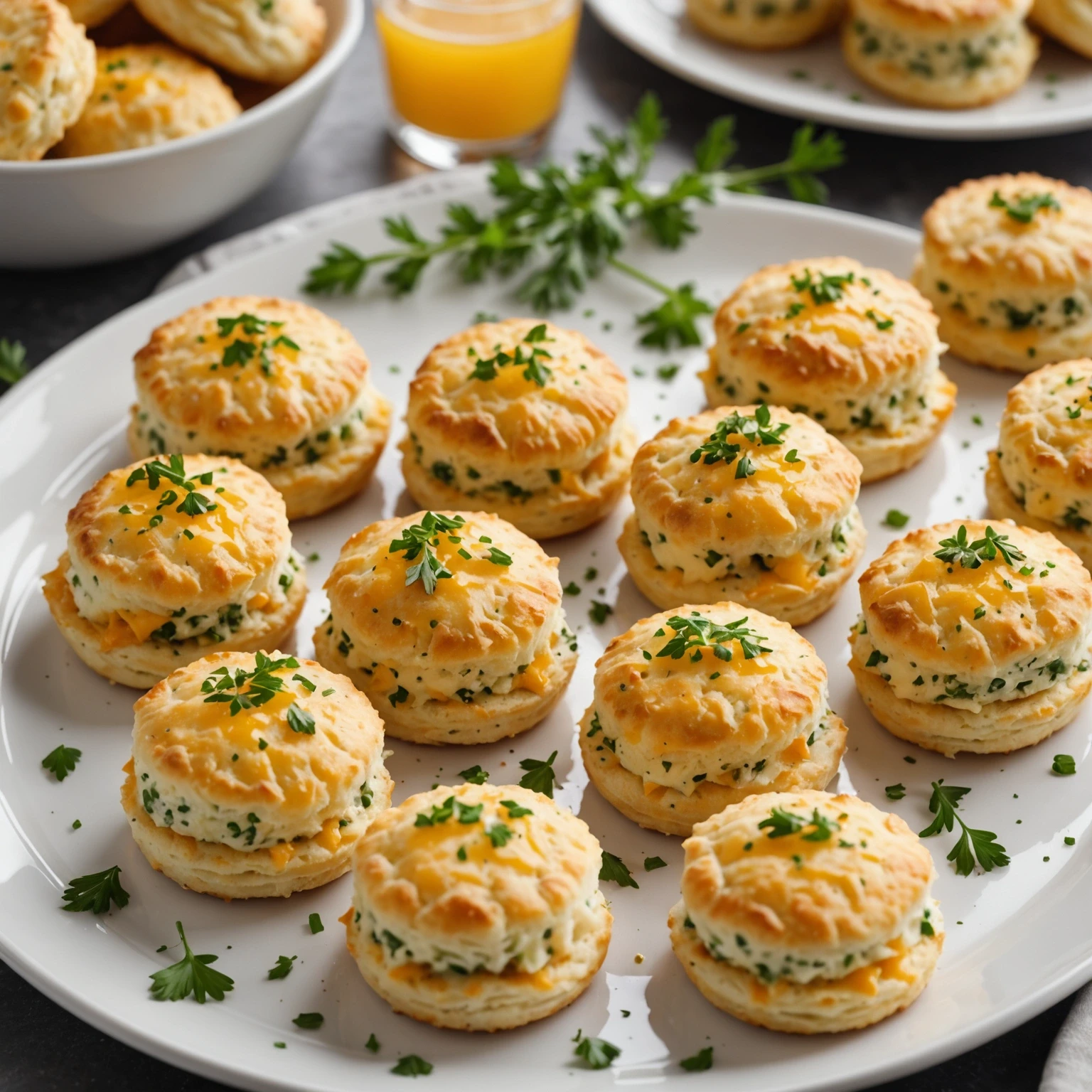
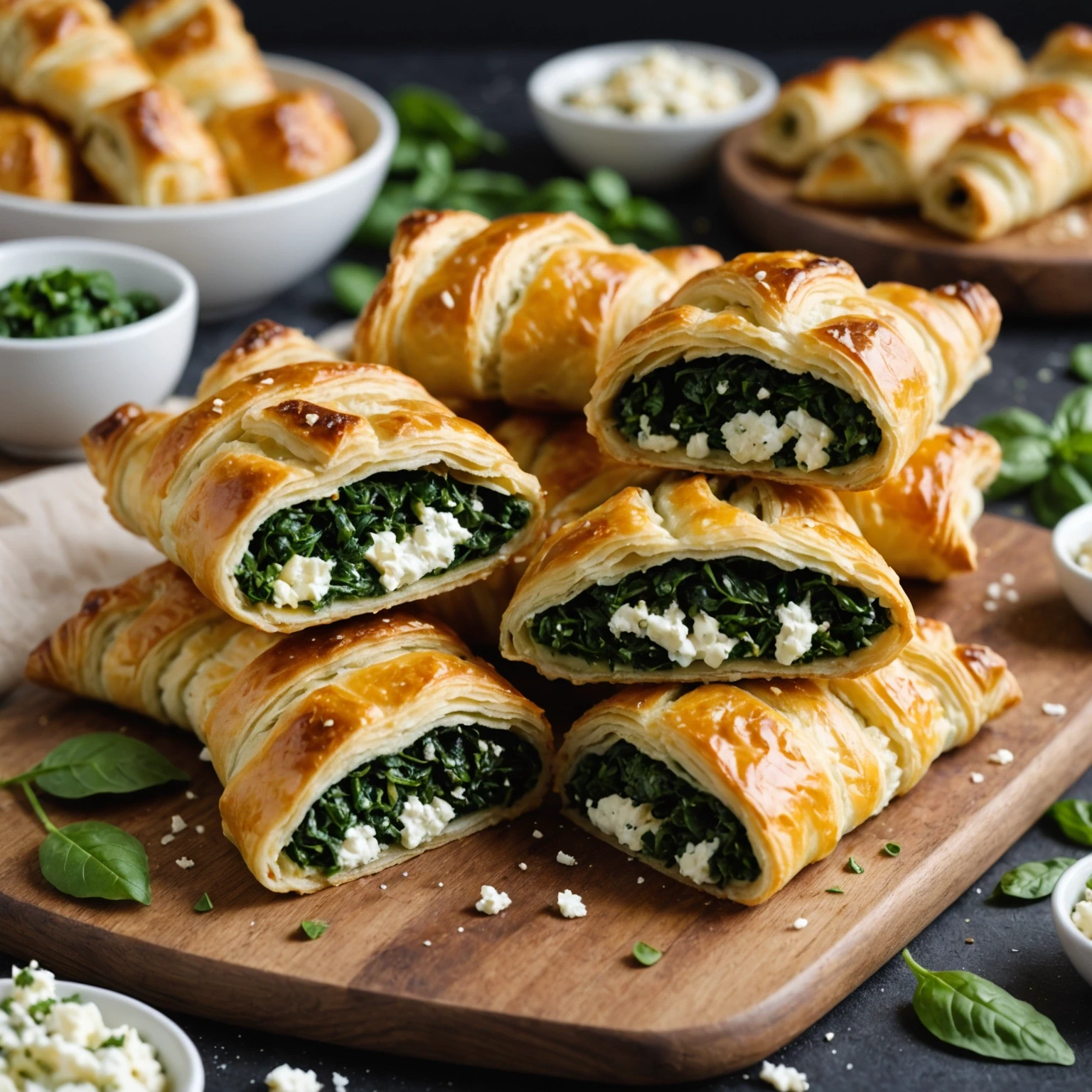
In savory applications such as biscuit bites or puff pastry twists, layering flavors with fresh herbs and sharp cheeses is key. Fresh herbs like parsley, chives, and thyme bring aromatic brightness, while cheeses such as cheddar or feta add complexity and depth. Recipes including Classic Herb and Cheese Biscuit Bites with Savory Butter Spread and Savory Spinach and Feta Puff Pastry Twists exemplify how selected ingredients enhance savory profiles.
Gentle Mixing Techniques for Optimal Crumb and Moisture Retention
The method of combining wet and dry ingredients significantly affects your baked items’ texture. Using gentle folding preserves air bubbles, resulting in lighter, softer crumbs. Avoid over-mixing, which can develop too much gluten, leading to dense and tough loaves.
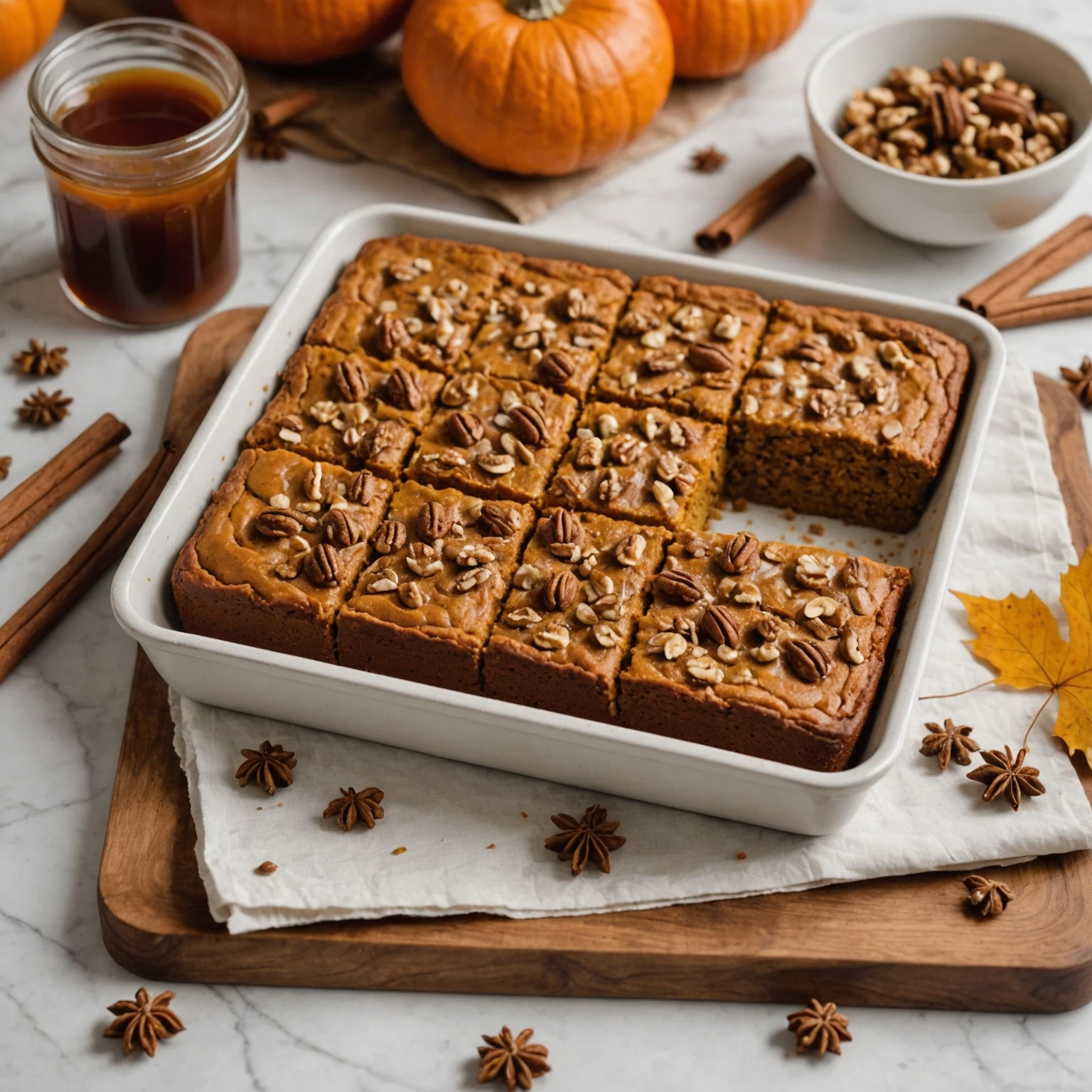
Simple one-bowl recipes like One-Bowl Spiced Pumpkin Breakfast Bars with Walnuts benefit from minimal mixing that evenly distributes ingredients while maintaining moisture and tenderness.
Strategic Flavor Layering for Balanced and Inviting Taste
Deliberate combination of sweetness, acidity, and spice elevates your quick breads and snacks without complicating preparation. Incorporate citrus zest, warming spices such as cinnamon or nutmeg, and modest natural sweeteners to build rich, nuanced flavor profiles.
Savory items gain excitement from seasoning with freshly cracked black pepper, garlic, or smoked paprika, adding boldness while keeping flavors harmonious.
Finish with glazes or drizzles—honey, maple syrup, or citrus-based glazes add gloss, subtle sweetness, and relevant moisture that enhance both taste and presentation.
Optimizing Oven Temperature and Baking Times for Moisture Preservation
Baking conditions critically influence moisture retention and final texture. Lowering oven temperature slightly and extending bake times supports even cooking and helps prevent drying out, particularly for nut-filled or dairy-rich quick breads and bars.
Integrating Techniques for Consistently Delicious Results
By combining intentional ingredient choices, careful mixing, and layered flavors, you can reliably produce quick breads, breakfast bars, and savory snacks that are moist, flavorful, and visually appealing. Explore these practices with recipes like Gluten-Free Lemon Poppy Seed Breakfast Loaf with Greek Yogurt – Easy Morning Bake, Classic Herb and Cheese Biscuit Bites with Savory Butter Spread, One-Bowl Spiced Pumpkin Breakfast Bars with Walnuts, and Savory Spinach and Feta Puff Pastry Twists.
With these essential baking techniques in your repertoire, transforming straightforward ingredients into delicious, textured homemade treats becomes an enjoyable and accessible experience for bakers at any skill level. Embrace experimentation, build confidence, and enjoy the rewarding process of creating flavorful baked goods.