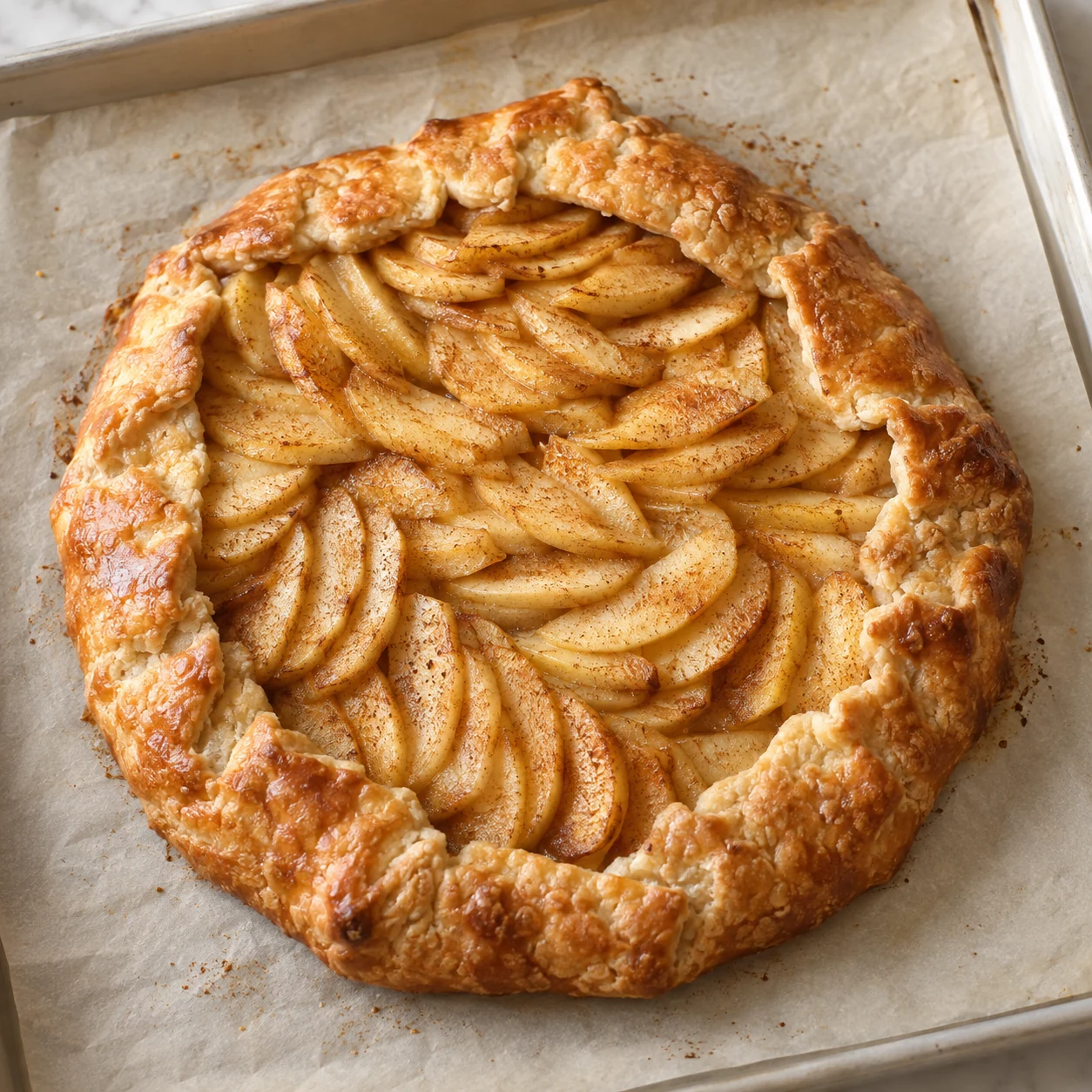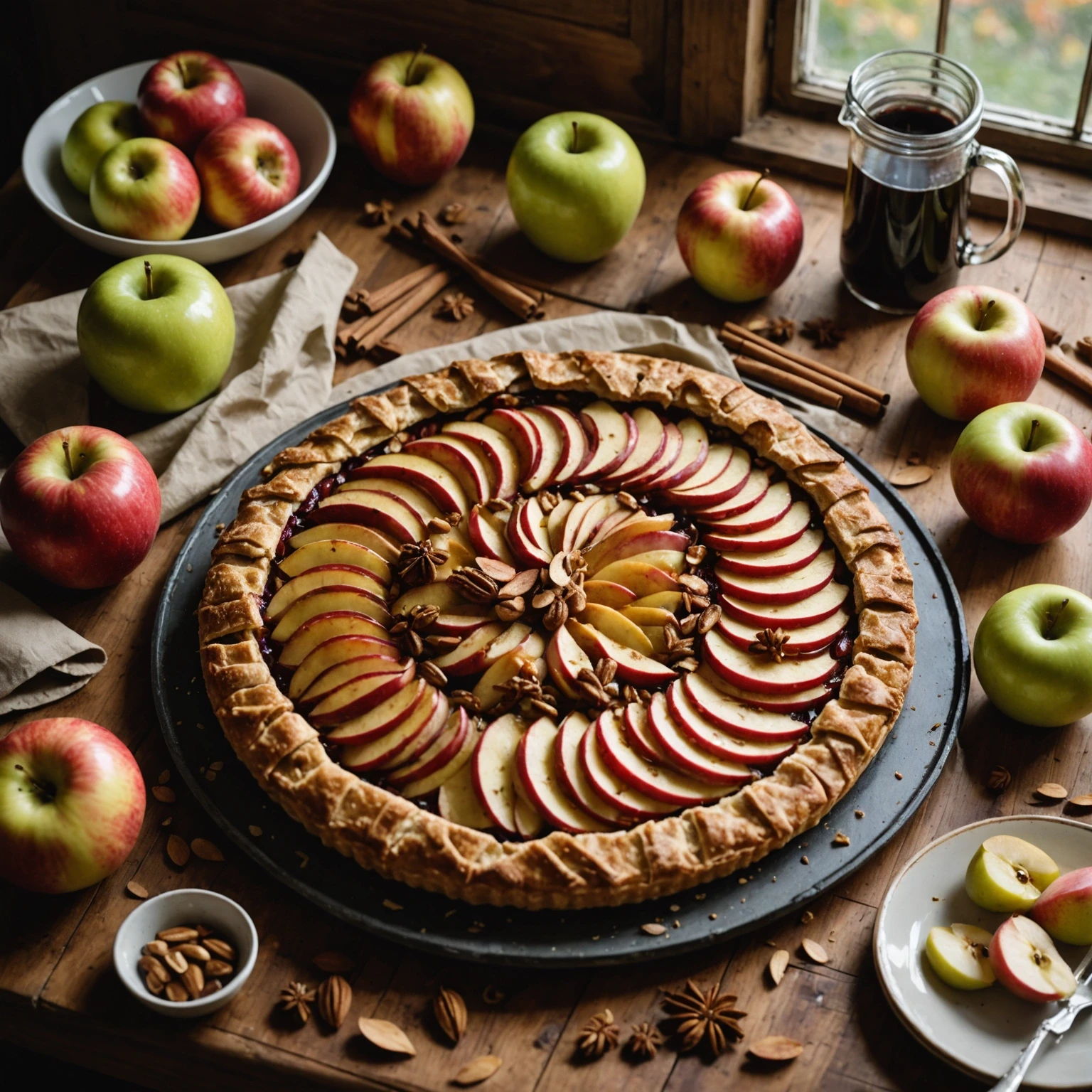
Seasonal baking starts with what is available near you. Look at local shops or markets for produce you want to use, then choose a recipe that names that ingredient. Seasonality varies by region and climate; a calendar for one country will not suit every baker.
Choose produce for your recipe
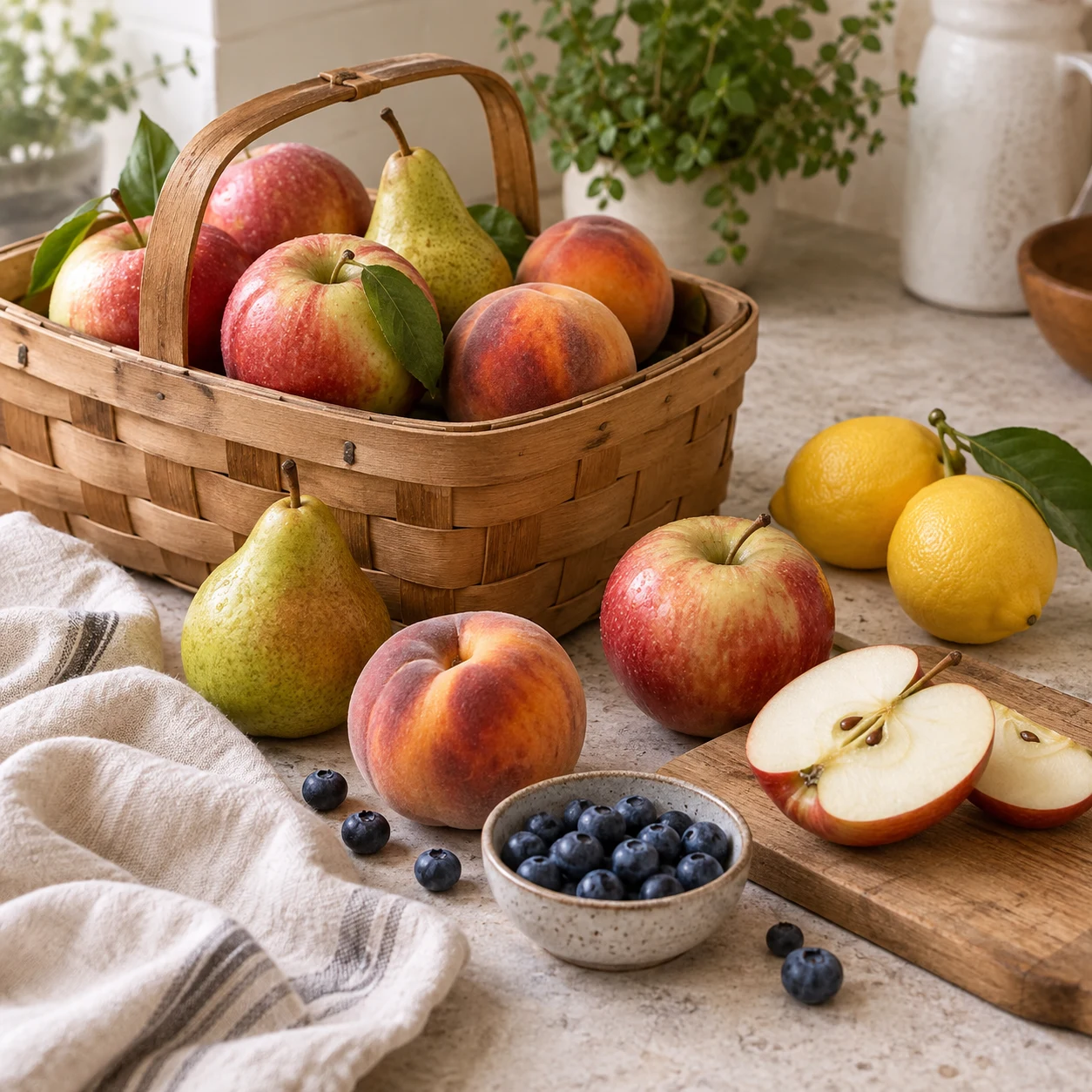
Read the ingredient list before shopping. Check the fruit variety, quantity and form requested: fresh, frozen, dried, puréed or already cooked. These details matter more than treating any fruit as a direct replacement for another. Buy the amount needed and inspect the produce's condition before using it.
Match the fruit to a bake
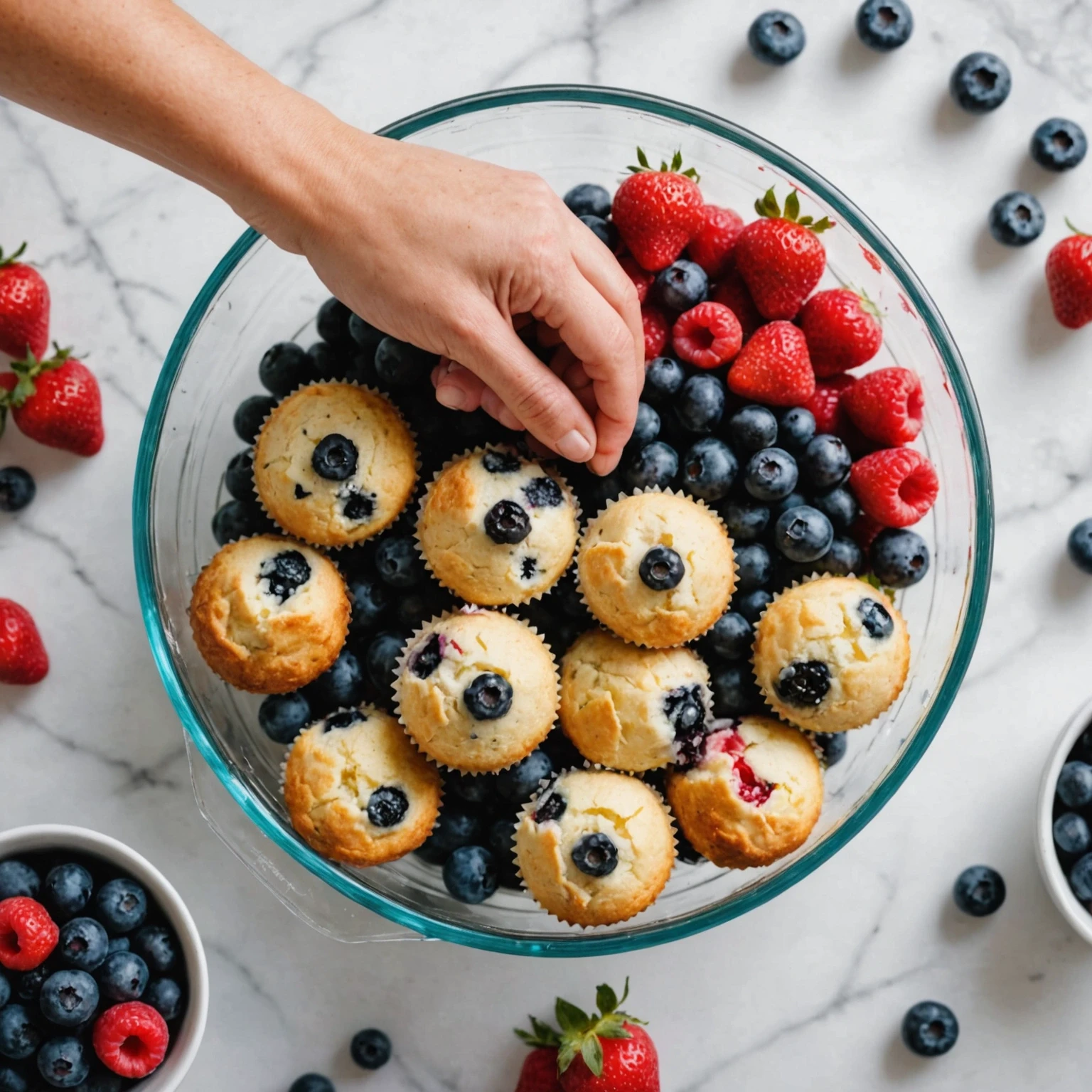
Apples can lead you to an apple tart or galette; berries might lead you to a berry muffin recipe. Start with that match instead of adding extra fruit to a batter that was not written for it. For a fresh fruit topping, choose a recipe that explains how to prepare and arrange that fruit.
Fresh and frozen fruit
Fresh and frozen fruit can behave differently in a filling or batter. Check whether your recipe allows both, whether frozen fruit should be thawed, and whether its juices should be retained. Follow any documented changes to baking time or thickener. King Arthur Baking's guide to fresh and frozen fruit explains these differences with examples.
Prepare fruit as directed
- Wash and prepare fresh produce before adding it to the recipe.
- Follow directions for peeling, removing cores or stones, and cutting. Keep the pieces close to the size specified.
- Cook, macerate or drain fruit only when the recipe calls for that step. Do not add those steps automatically because a fruit seems firm or juicy.
- Measure at the stage indicated by the ingredient list, such as chopped fruit or cooked purée.
Before changing a recipe
Use a fruit alternative documented for that recipe when one is available. If it is not, find a recipe written for the fruit you have. Avoid guessing reductions to liquid or sugar: the right change depends on the complete recipe, not just how sweet or juicy the fruit tastes.
Recipes to explore
Use these as examples of recipes built around particular fruits. Check local availability and each recipe's ingredient list before choosing:
- Apple galette with spiced almond crust
- Honey lemon poppy seed muffins
- No-bake strawberry cheesecake bars
- Mango coconut chia pudding tart
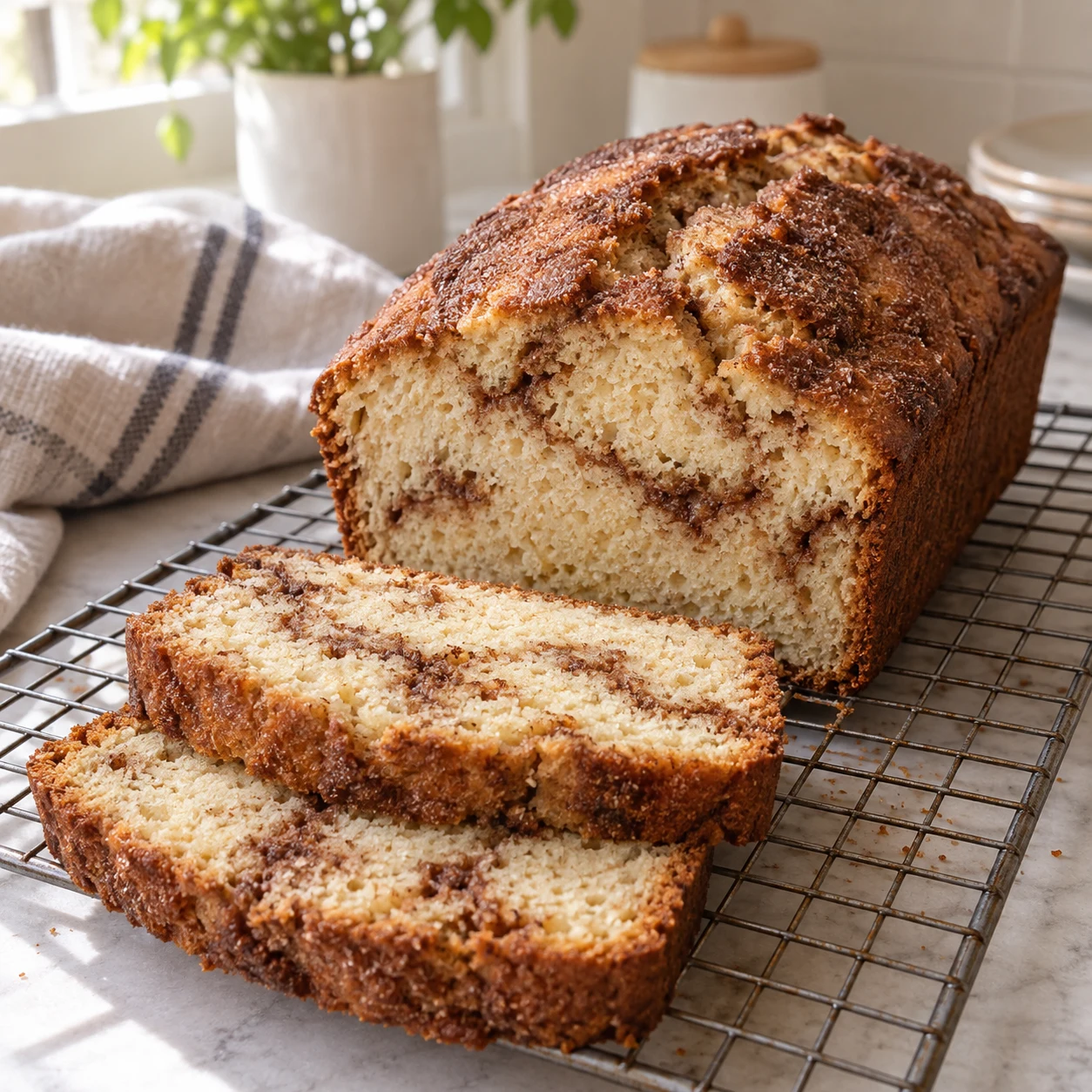
For recipes using cooked or canned produce, try sweet potato muffins with cinnamon swirl or pumpkin chocolate chip brownie bars. The muffins use cooked, mashed sweet potato; the bars call for unsweetened canned pumpkin puree. Both specify a gluten-free flour blend containing xanthan gum. These are separate recipes, not directions for swapping one puree for the other.
Keep useful notes
Record the produce variety, whether it was fresh or frozen, the preparation used and the result. Start by following the recipe as written, then use those notes when choosing your next bake or a documented variation.