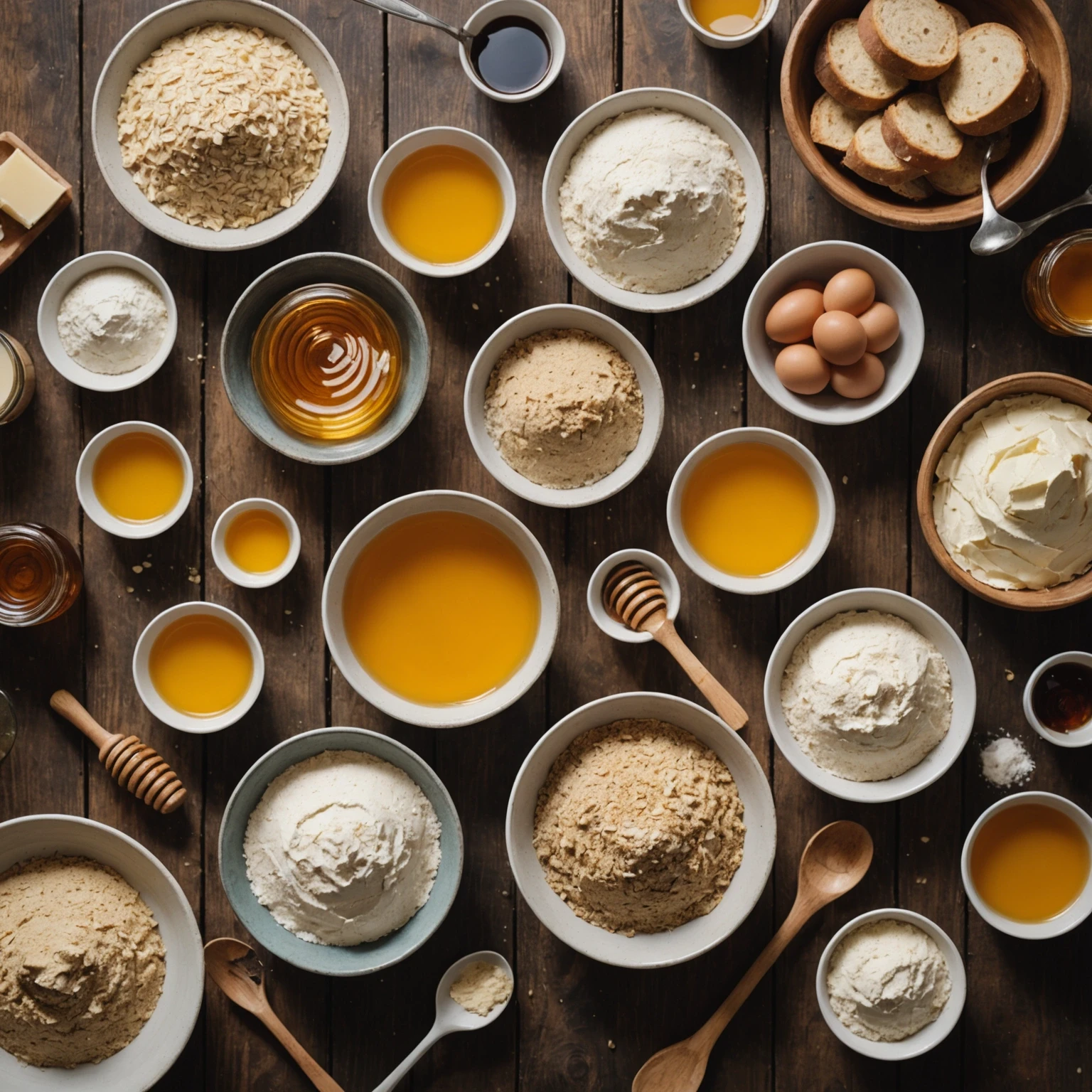
Baking blends science and creativity, and mastering your ingredient basics boosts confidence and versatility in the kitchen. This guide breaks down fundamental baking staples, their impact on recipes, and substitution tips designed for beginner bakers eager to learn and experiment.
Flour: The Foundation of Structure and Texture
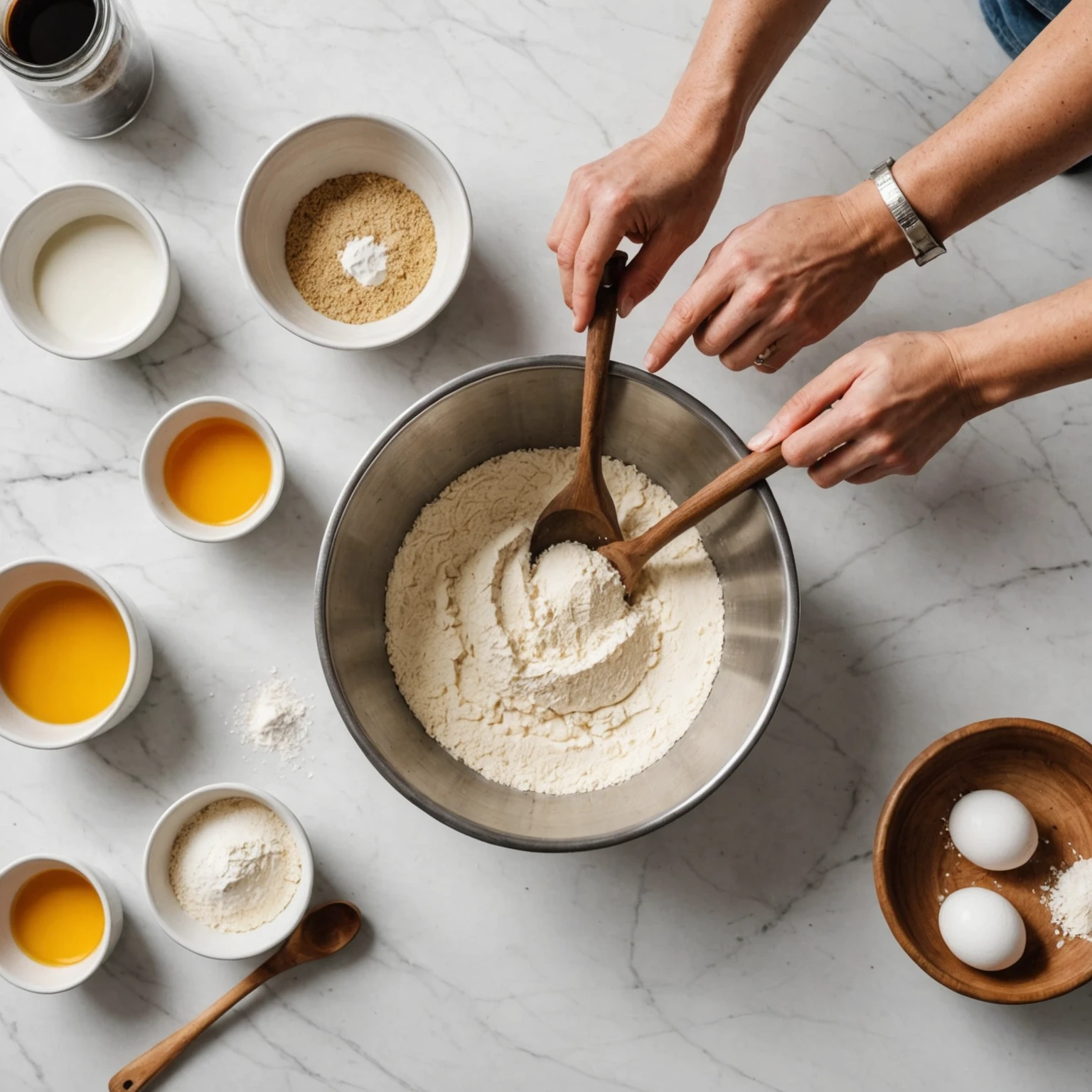
Flour forms the structure of baked goods and greatly affects texture. All-purpose flour works well for most recipes, while whole wheat or gluten-free alternatives bring unique flavors and textures but may need adjustments in hydration or binding.
- Protein Content: Higher-protein flours like bread flour create chewiness, perfect for breads; lower-protein flours yield tender cakes and cookies.
- Substitution Tip: Gluten-free flours typically require binders like xanthan gum or blends to mimic wheat’s elasticity.
Sweeteners: More Than Just Sweet
Sweeteners influence moisture, color, texture, and flavor complexity.
- Granulated Sugar: Builds structure and encourages caramelization.
- Honey & Maple Syrup: Add moisture and distinctive sweetness but can soften texture and darken color.
- Substitution Tip: When swapping granulated sugar for liquid sweeteners, reduce other liquids slightly to maintain balance.
Fats: Adding Flavor and Tenderness
Fats enhance flavor, add moisture, and improve tenderness.
- Butter: Provides rich flavor and helps trap air when creamed with sugar.
- Oils: Yield moist, tender results and suit vegan or dairy-free baking.
- Substitution Tip: Oils can replace butter for dairy-free needs but may result in denser textures.
Leavening Agents: Creating Lift and Lightness
Leaveners like baking powder, baking soda, and yeast add rise and airiness.
- Baking Powder: Contains acid and base, ideal for recipes without acidic ingredients.
- Baking Soda: Needs an acid (e.g., buttermilk, lemon juice) to activate.
- Substitution Tip: Replace baking powder with baking soda only if you add an acid; avoid excess leavening to prevent collapse.
Liquids: Hydration and Flavor Balance
Liquids hydrate dry ingredients, activate leavening, and influence texture and taste.
- Milk: Adds richness through fats and proteins.
- Water: Neutral hydration without extra flavor.
- Substitution Tip: Plant-based milks work as dairy alternatives but may slightly alter flavor and crumb.
Eggs: Binding, Moisture, and Lift
Eggs hold mixtures together, add moisture, and support structure and rising.
- Binding Agent: Keeps ingredients combined.
- Leavening Contributor: Traps air for lift.
- Substitution Tip: Use flax or chia seed gels or commercial egg replacers for egg-free baking.
Using Ingredient Knowledge to Enhance Your Baking
Knowing how ingredients work helps you innovate and fix problems. For example, balancing moisture is key when adding vegetables like zucchini, showcased in the One-Bowl Vegan Chocolate Zucchini Cake with Avocado Oil - Moist and Easy.
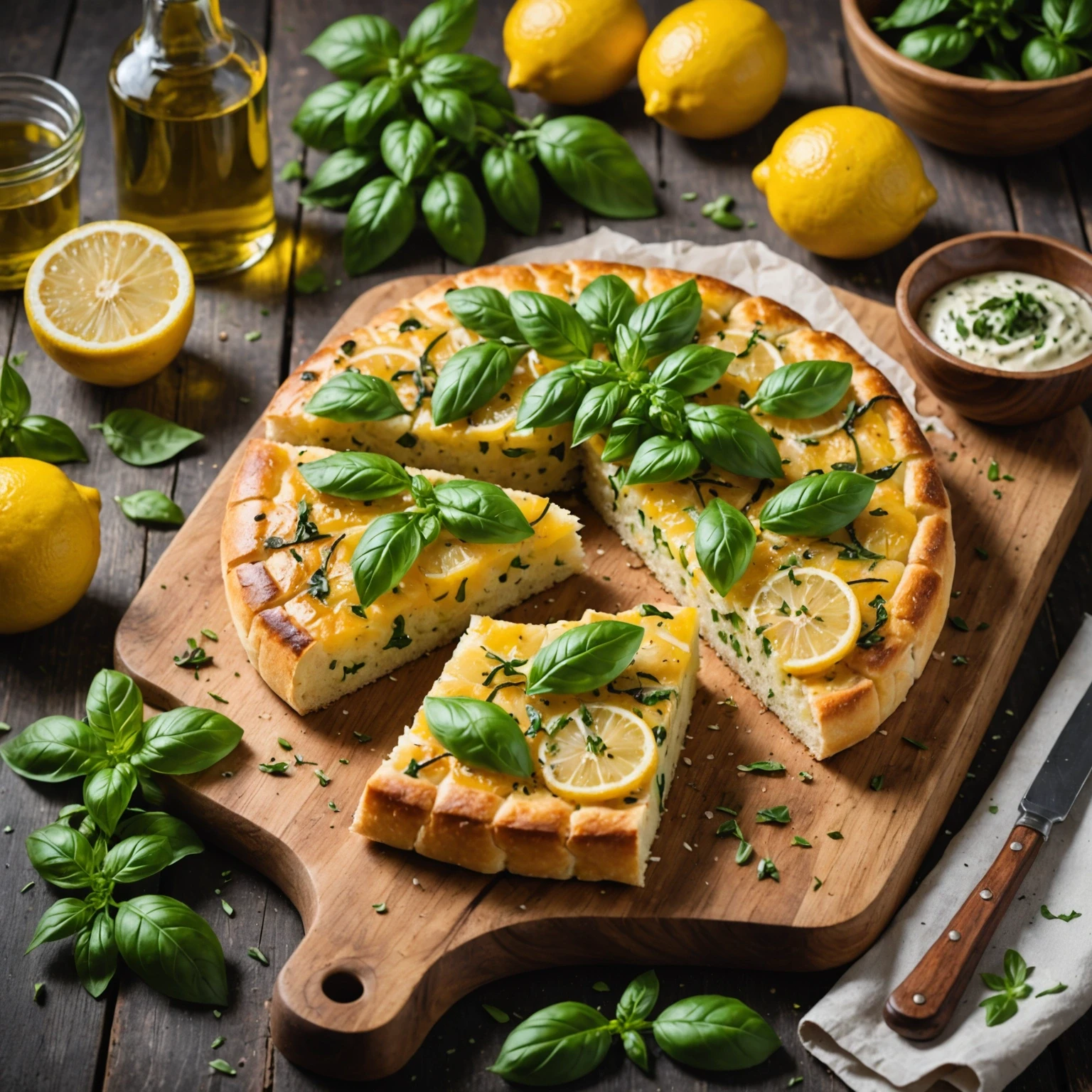
Enhance savory flavors by experimenting with oils and herbs, such as in the Lemon Basil Focaccia Bread with Olive Oil Drizzle – Easy Beginner's Italian Bread.
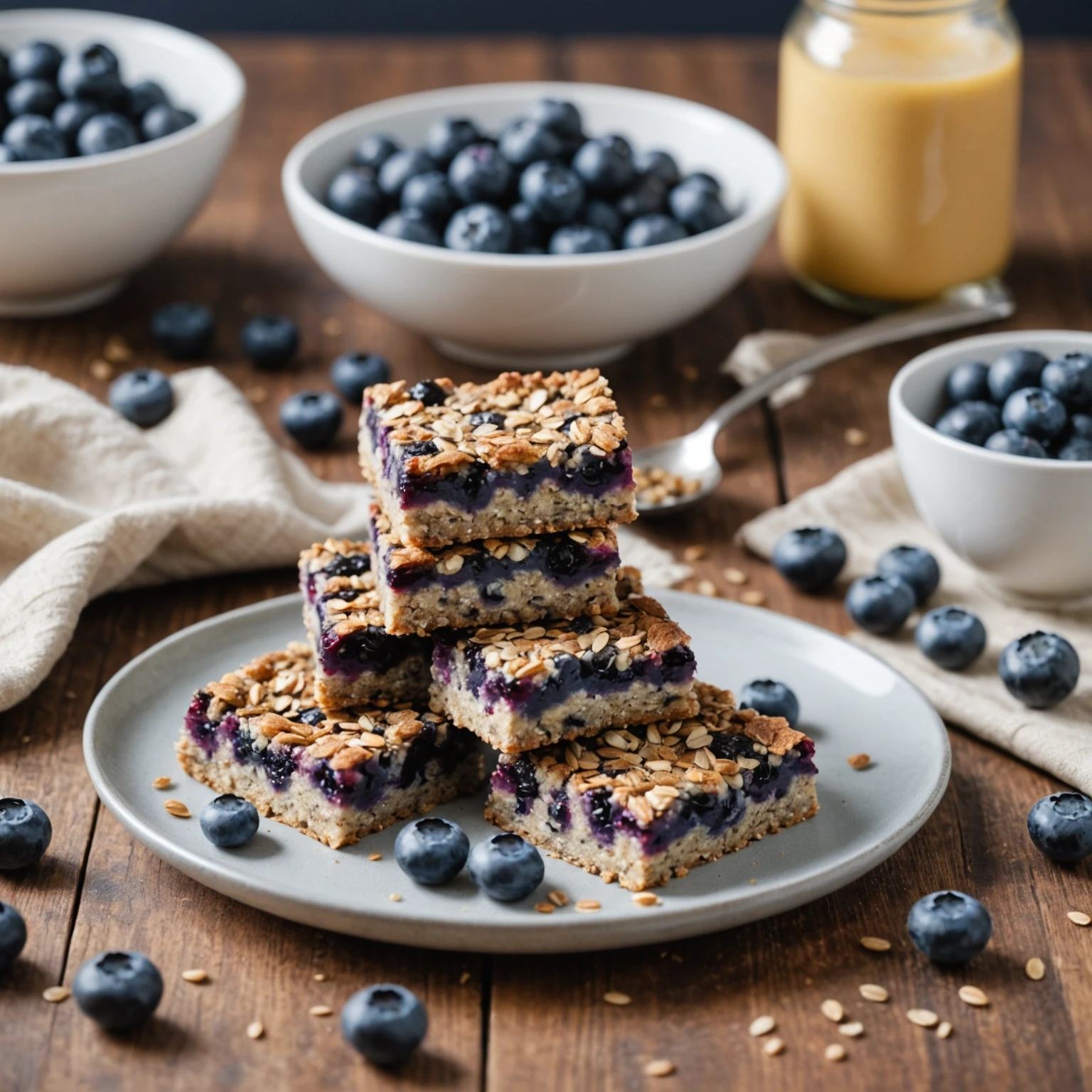
Boost nutrition and texture with whole grains and seeds like chia or flax, as in Whole-Grain Blueberry Breakfast Bars with Chia & Flax Seeds – Easy Morning Bake.
Seasonal spices paired with core staples create comforting flavors, exemplified by Winter Spice Eggnog Cupcakes with Rum Buttercream Frosting.
Common Ingredient Challenges and Solutions
- Dry, Crumbly Texture: Often from too much flour or not enough fat/liquid. Adjust measurements.
- Dense Baked Goods: Can result from overmixing or insufficient leavening.
- Flat or Heavy Results: Usually due to inactive or inaccurate leaveners; check freshness and amounts.
Tips for Confident Ingredient Use
- Measure ingredients precisely—accuracy matters in baking.
- Understand each ingredient’s role for effective substitutions.
- Experiment gradually to observe effects.
- Choose quality ingredients for best results.
Embrace these ingredient insights to unlock creativity and success in your baking. Whether testing new swaps or refining textures, understanding these essentials makes baking enjoyable and rewarding. Start exploring with recipes featuring versatile ingredients and expand your skills with confidence. Happy baking!
---.
Discover recipes that highlight versatile ingredients:
- One-Bowl Vegan Chocolate Zucchini Cake with Avocado Oil - Moist and Easy
- Lemon Basil Focaccia Bread with Olive Oil Drizzle – Easy Beginner's Italian Bread
- Whole-Grain Blueberry Breakfast Bars with Chia & Flax Seeds – Easy Morning Bake
- Winter Spice Eggnog Cupcakes with Rum Buttercream Frosting