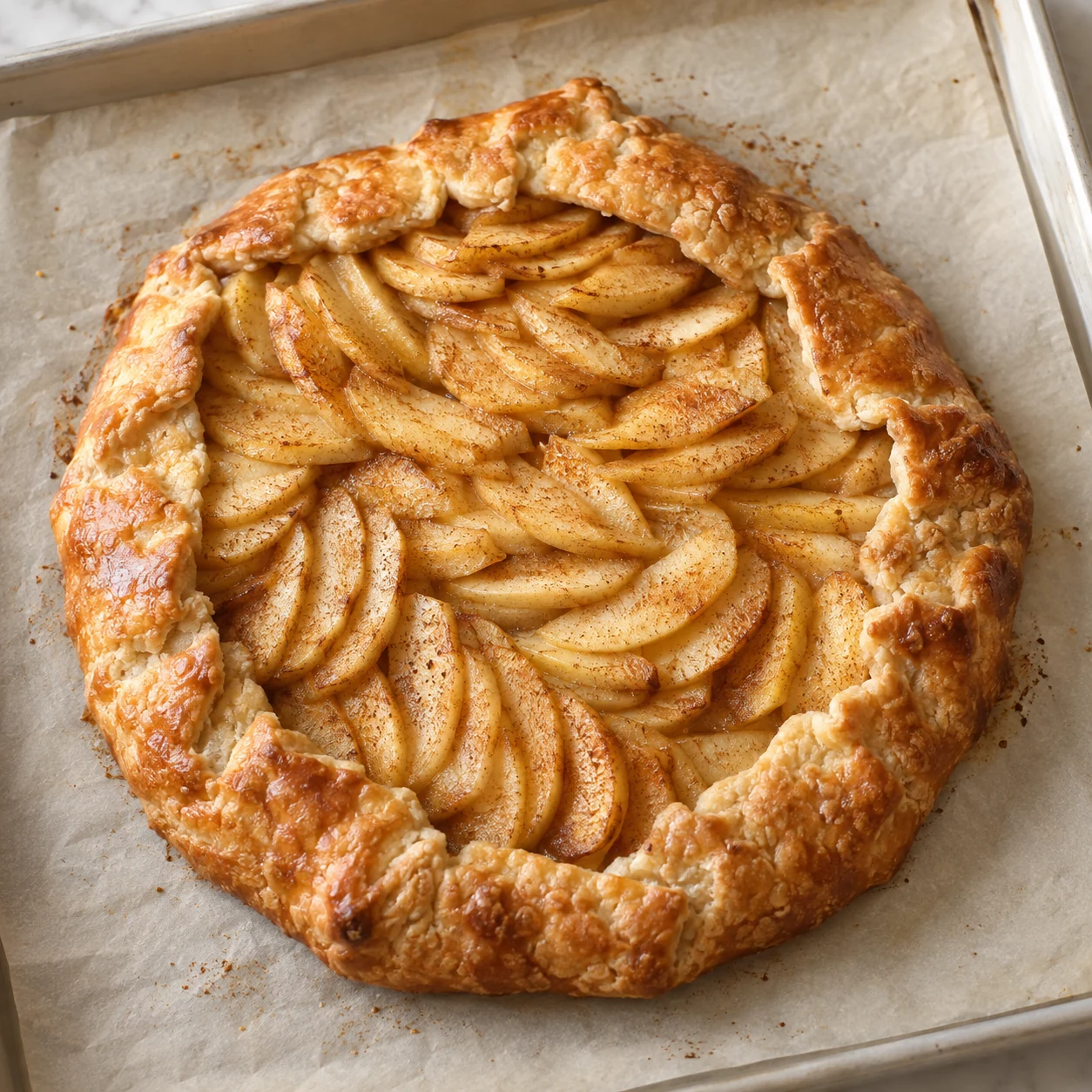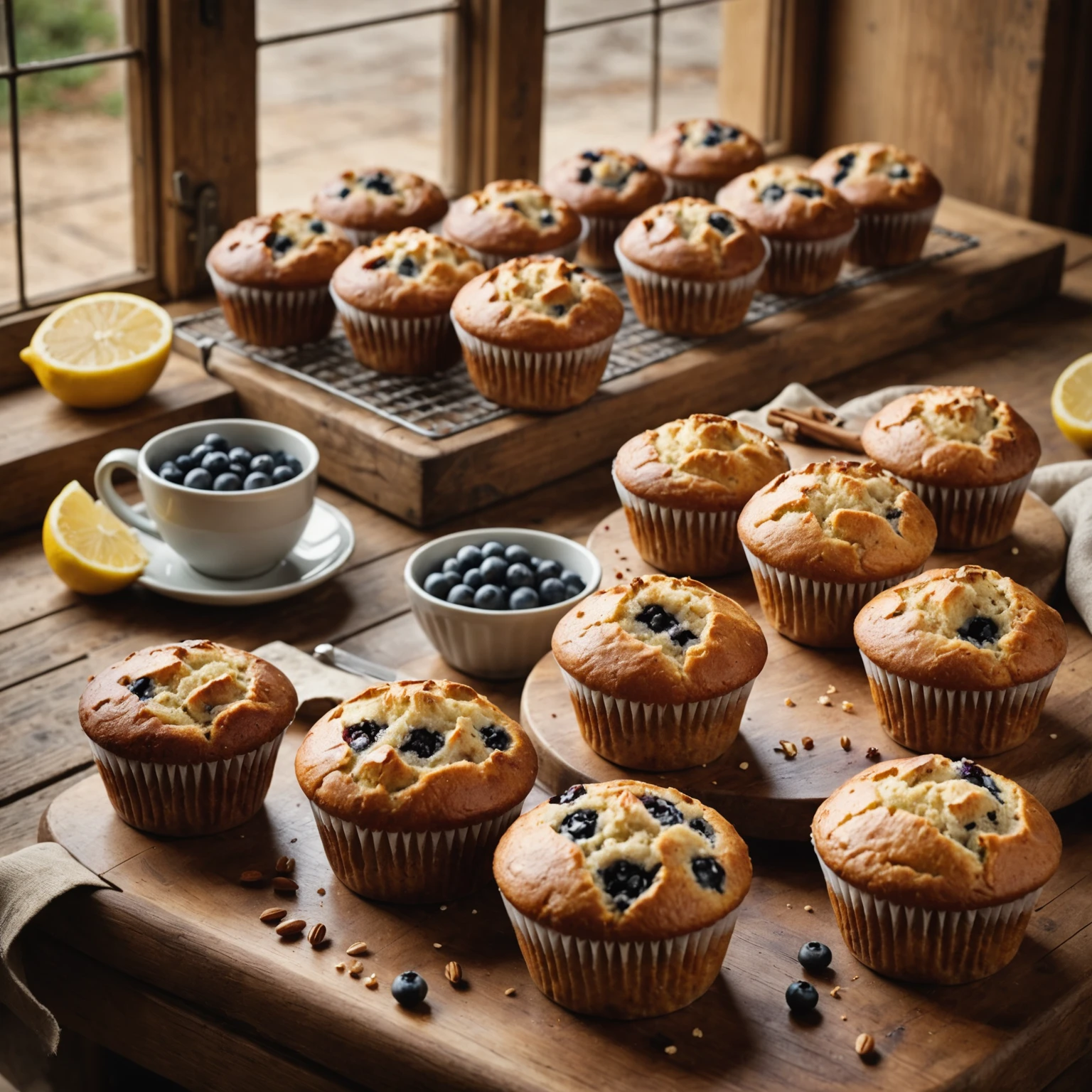
Flavor is the foundation of delicious baking, especially when it comes to muffins and quick breads. By understanding how to pair flavors that either complement or contrast each other, you can create baked goods that are both unique and satisfying, while enjoying the creative process behind them.
The Basics of Flavor Pairing in Baking
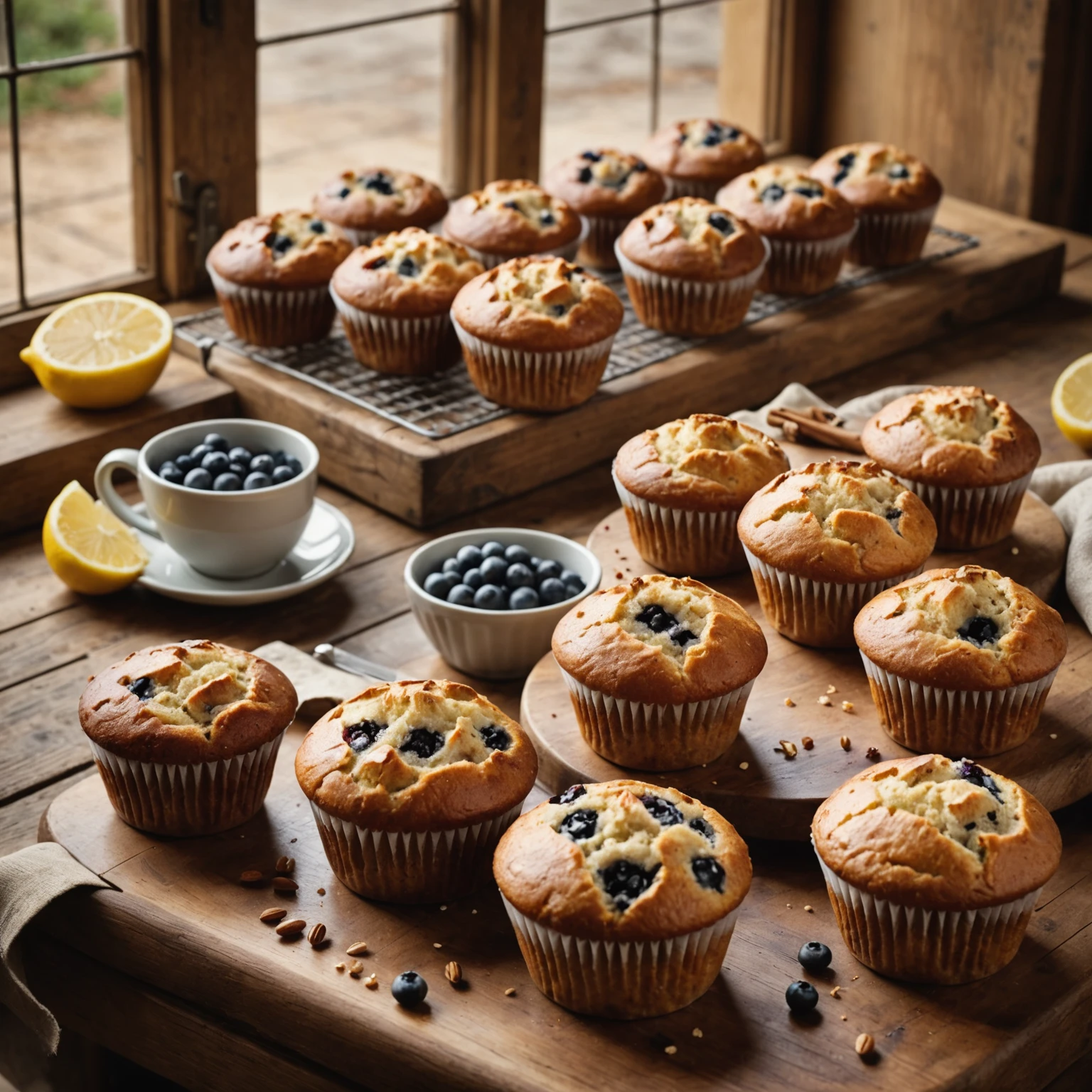
Flavors typically fall into categories such as sweet, tart, spicy, nutty, or savory. Successful muffins and quick breads often blend these taste profiles carefully to highlight the best qualities of each ingredient.
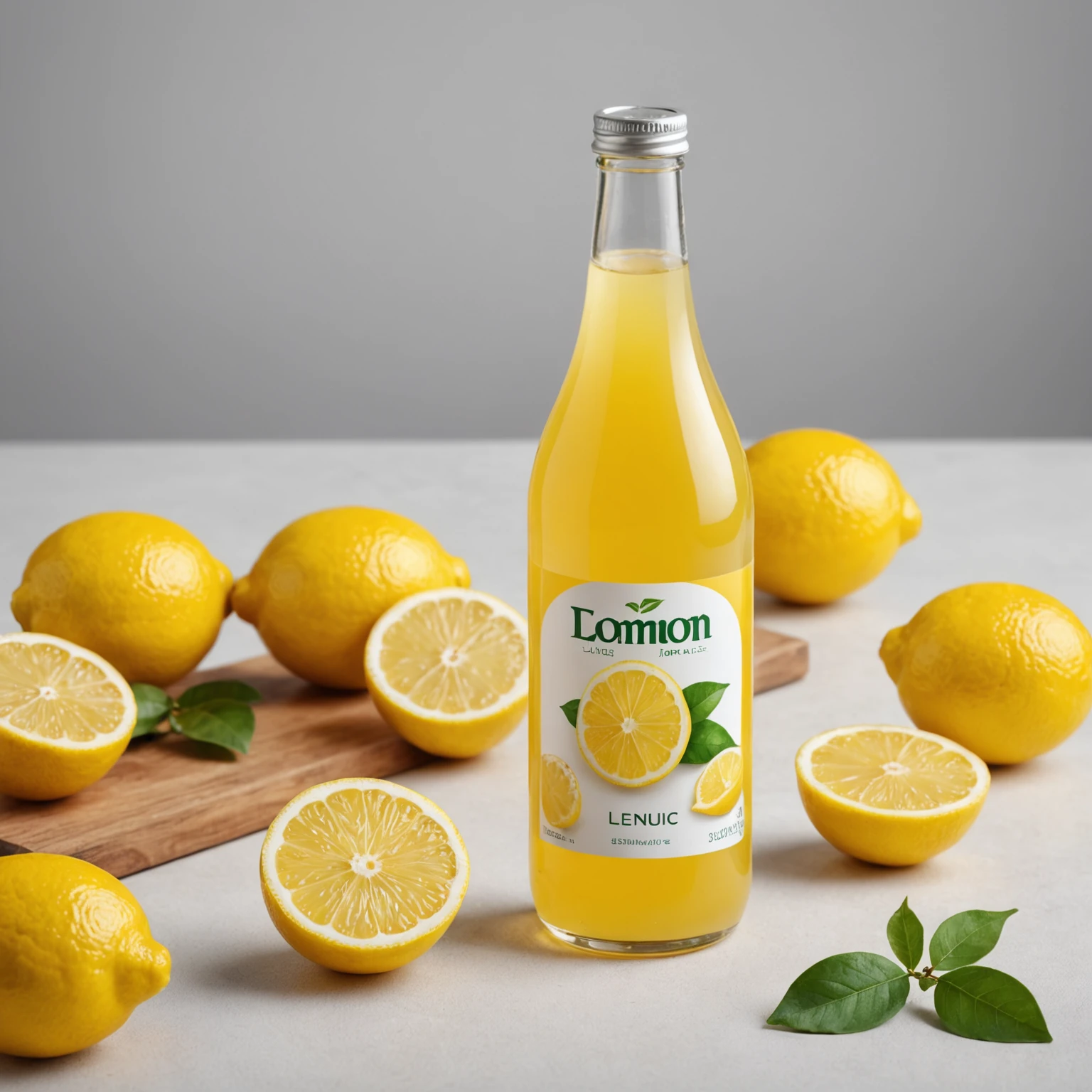
- Complementary Flavors: These share similar taste or aromatic notes and work together harmoniously. Examples include cinnamon with nutmeg for warm spice, lemon brightening blueberry’s natural sweetness, or honey enhancing the nutty notes in oats. Using complementary pairs adds depth without overwhelming the palate.
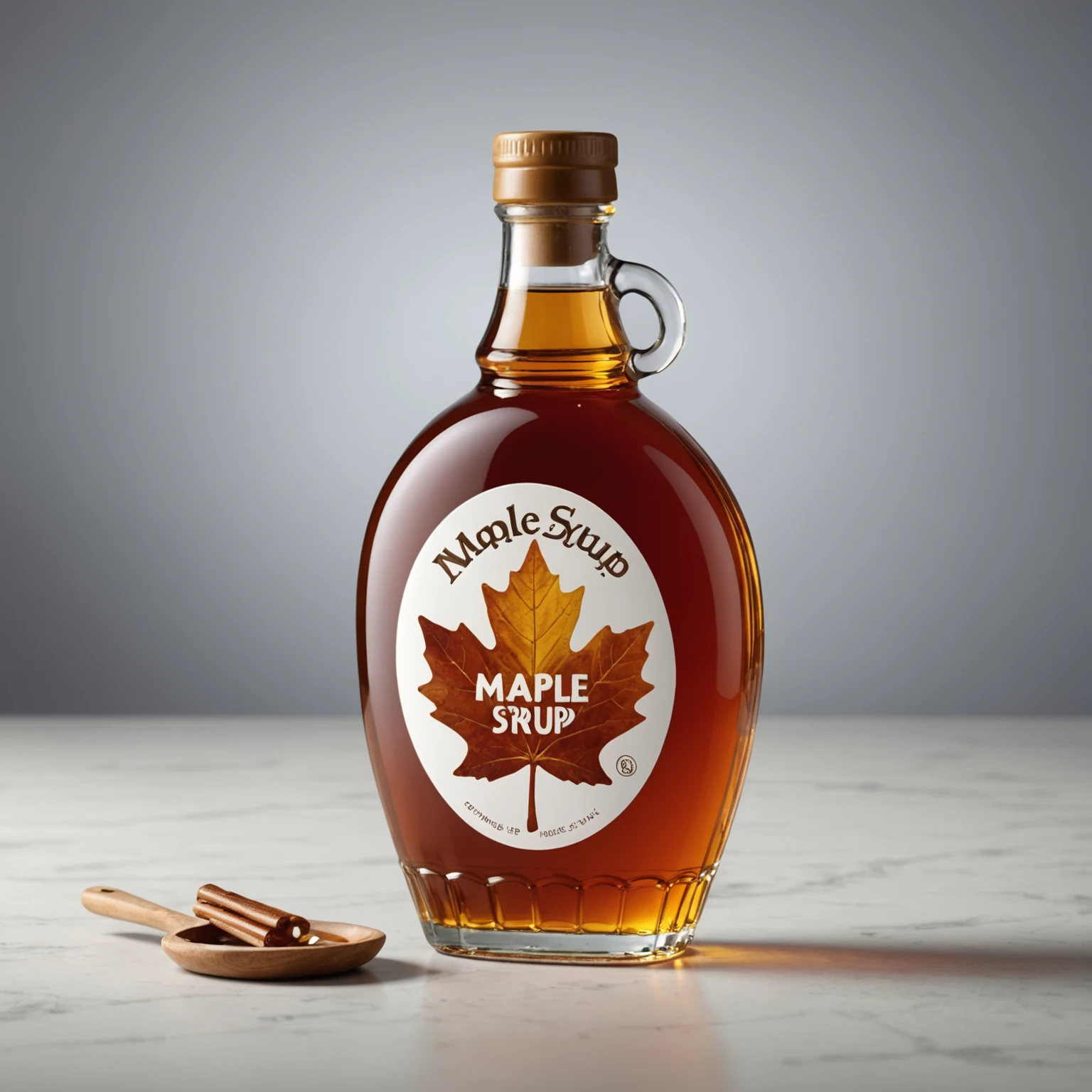
- Contrasting Flavors: Pairing opposing tastes creates balance and intrigue. Think of sweet combined with salty—like cinnamon sugar with a sprinkle of sea salt—or sweet paired with tangy, such as maple syrup alongside lemon zest. Contrasts enliven your baked goods by adding layers of interest.
Guidelines for Crafting Flavor Combinations
- Select Your Base Flavor: Identify the primary flavor your muffin or quick bread will carry. For example, a mild banana bread allows subtle additions, whereas a chocolate muffin can handle richer, bolder flavors.
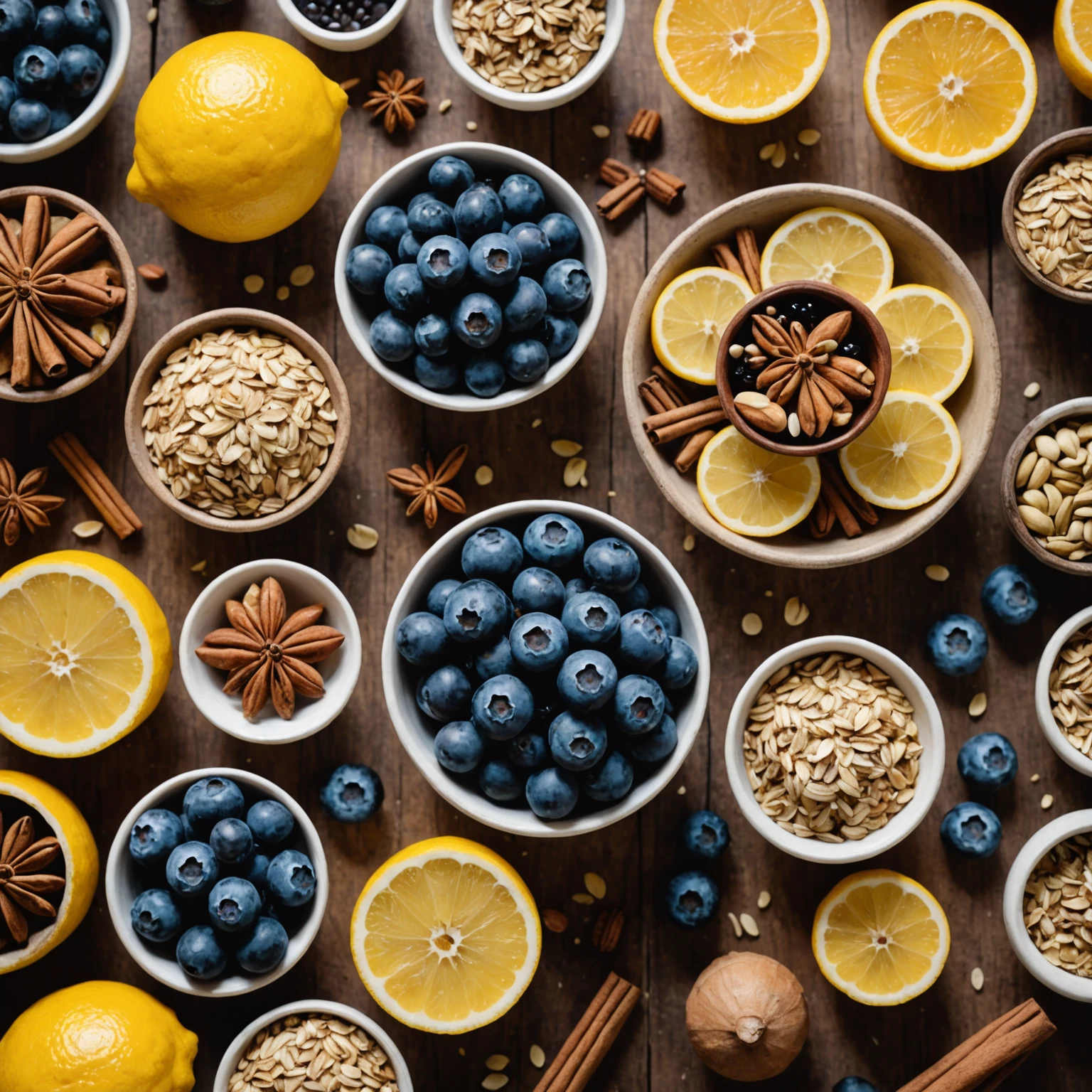
- Incorporate Flavor Enhancers: Add spices, citrus zest, nuts, or extracts to enrich your base. For instance, lemon zest paired with blueberries creates a fresh, vibrant profile demonstrated in our Lemon Blueberry Muffins with Maple Glaze Recipe.
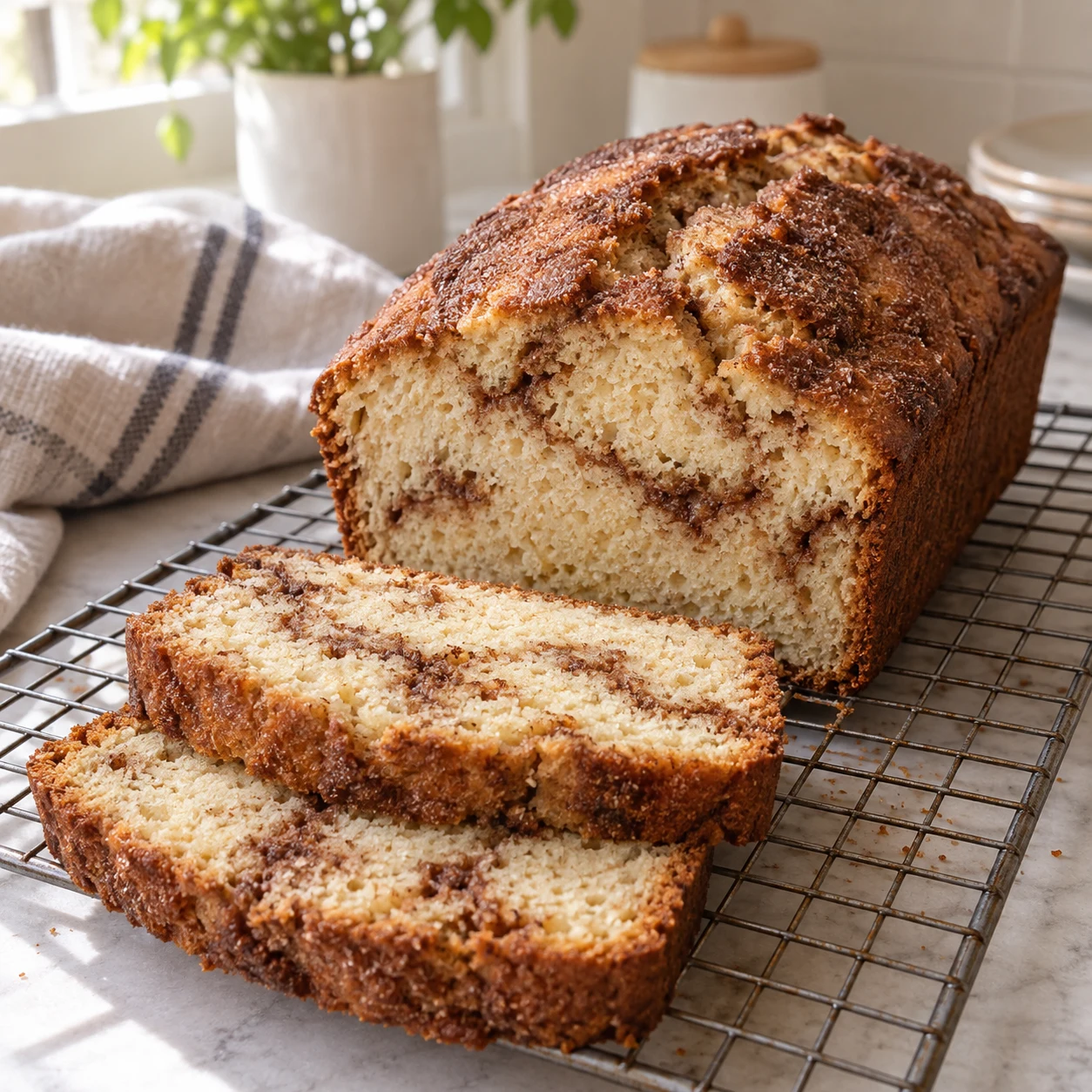
- Consider Texture as Part of Flavor: Ingredients like oats, nuts, or cinnamon sugar swirls provide mouthfeel that complements taste. The moist cinnamon layers in the Classic Cinnamon Swirl Quick Bread Recipe - Easy & Moist perfectly show how texture can elevate flavor experience.
- Balance Sweetness with Acidity: A touch of acidity from citrus juice or yogurt helps cut through richness and sweetness, preventing cloying flavors and refreshing the palate.
- Experiment Thoughtfully: Baking blends science and creativity. Try unexpected combinations—such as cardamom with apple or rosemary in savory breads—to develop unique profiles. Test small batches to refine your flavor intuition safely.
Building Confidence in Flavor Pairing
- Keep a flavor journal to record pairing ideas and preferred textures like crumb softness or nut crunch.
- Taste test combinations before baking; for example, mix cinnamon with maple syrup to preview their compatibility.
- Utilize seasonal ingredients to keep your flavors vibrant and appropriate to the time of year.
Expanding Your Baking Creativity Through Flavor
Mastering flavor pairing allows you to move beyond following recipes to crafting personalized muffins and quick breads that reflect your taste and mood. Understanding which flavors enhance or balance each other broadens your baking options and increases your enjoyment.
For inspiration, study the complex layering in the Classic Cinnamon Swirl Quick Bread Recipe - Easy & Moist or the lively brightness of the Lemon Blueberry Muffins with Maple Glaze Recipe. Use these as creative springboards to develop your own signature flavor combinations with confidence and joy.