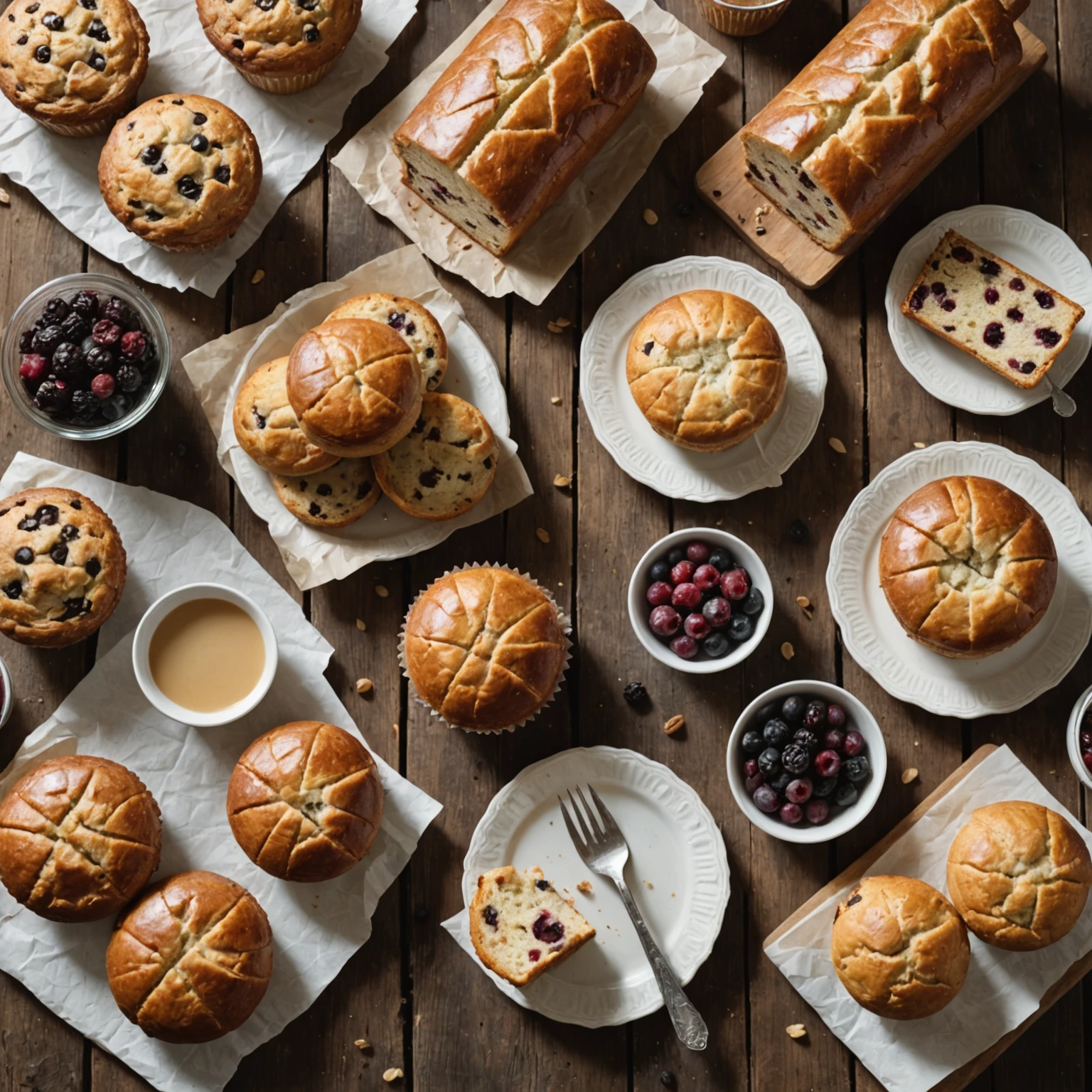
Baking your own breads, cookies, and pastries is a rewarding experience, but preserving their freshness after baking requires effective storage techniques. Improper storage can lead to staleness, dryness, or sogginess, diminishing the taste and texture of your homemade treats. Understanding how to properly store and freeze baked goods ensures you enjoy them at their best longer while reducing food waste.
The Importance of Proper Storage for Baked Goods
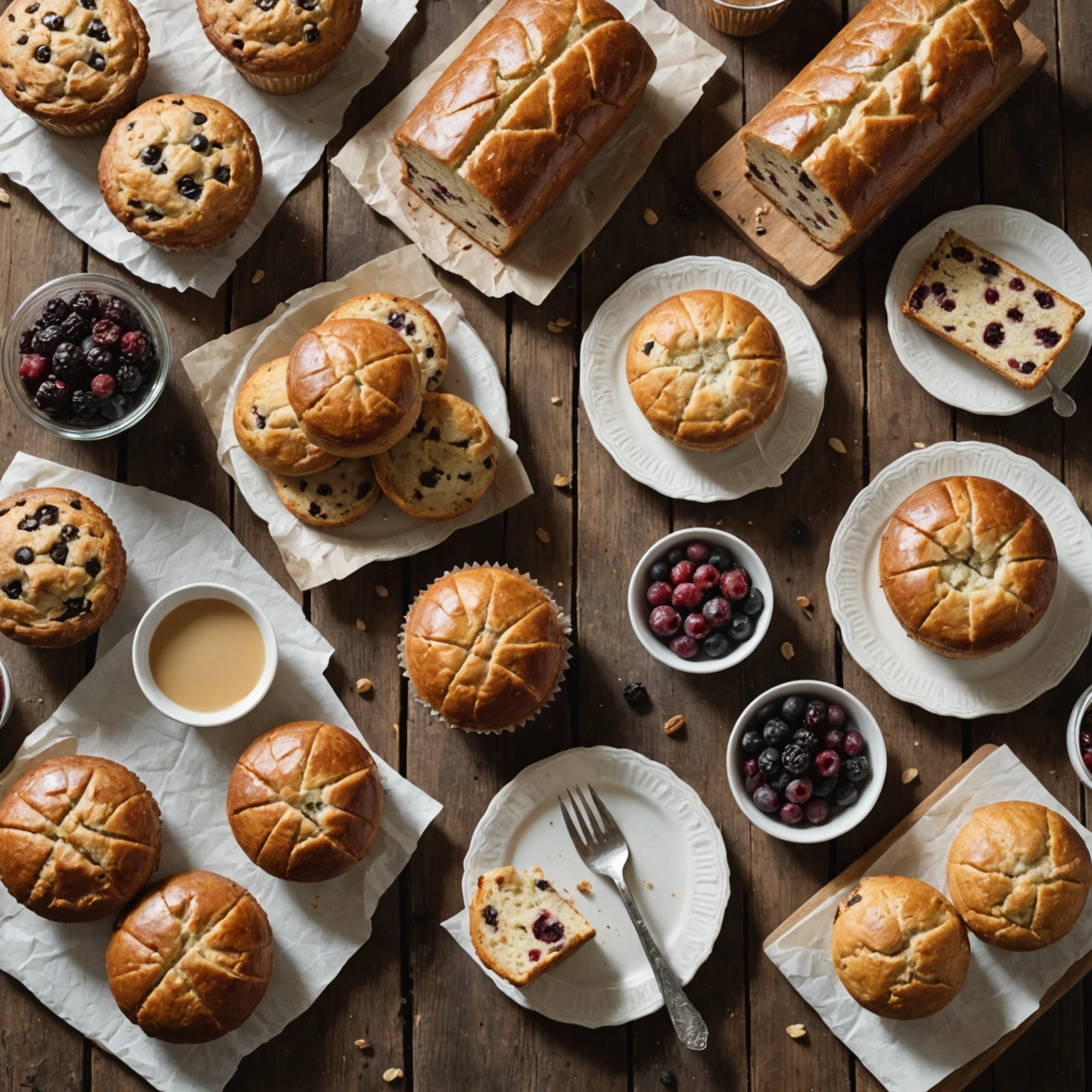
Freshly baked items are sensitive to environmental factors like air exposure, moisture, and temperature changes. When not stored correctly, breads can become hard, cookies lose their chewiness, and muffins dry out. Using the right storage methods helps lock in moisture and maintain flavor, keeping your baked goods enjoyable for days or weeks.
Storage Recommendations by Type of Baked Good
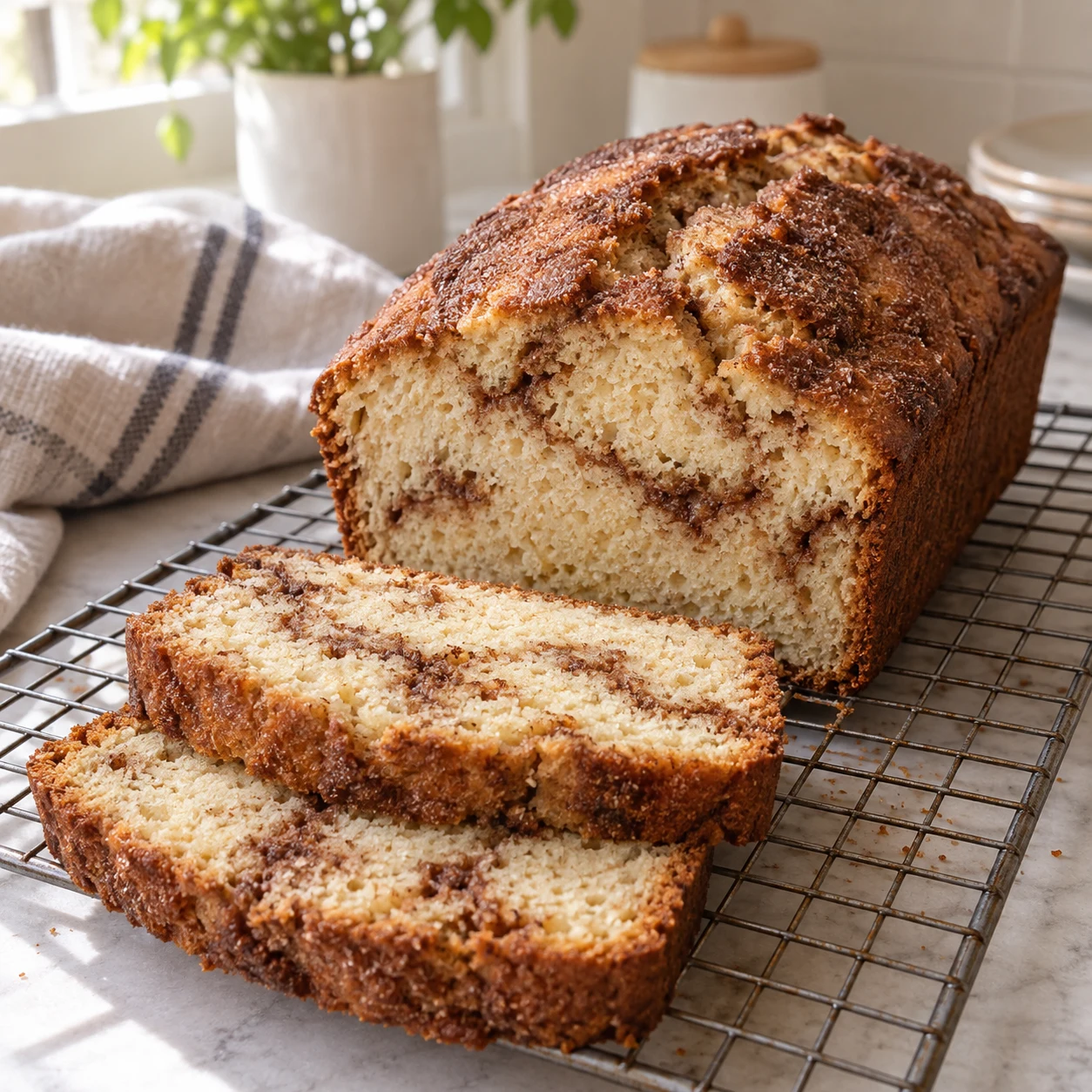
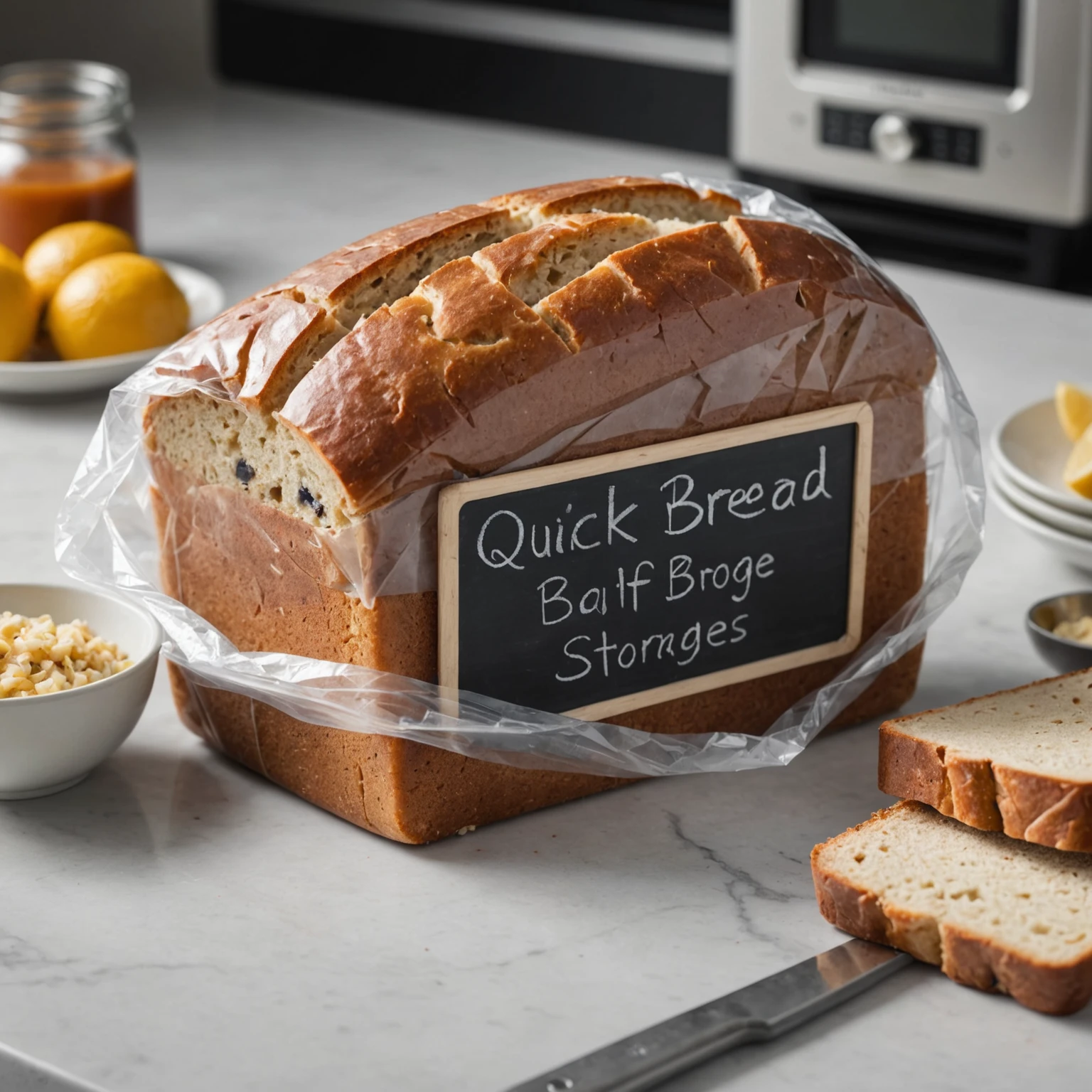
- Quick Breads: For short-term storage, wrap tightly in plastic wrap or foil and keep at room temperature for up to two days. For longer periods, freeze well-wrapped in freezer-safe bags. When ready to eat, thaw at room temperature and warm briefly in the oven to restore softness. Consider trying this approach with our Cinnamon Swirl Quick Bread Recipe - Easy & Moist.
- Muffins: Choose storage according to the recipe and any filling or topping. See “How to store and freeze muffins” below for cooling, packaging and freezer guidance. Try our Lemon Blueberry Muffins with Maple Glaze.
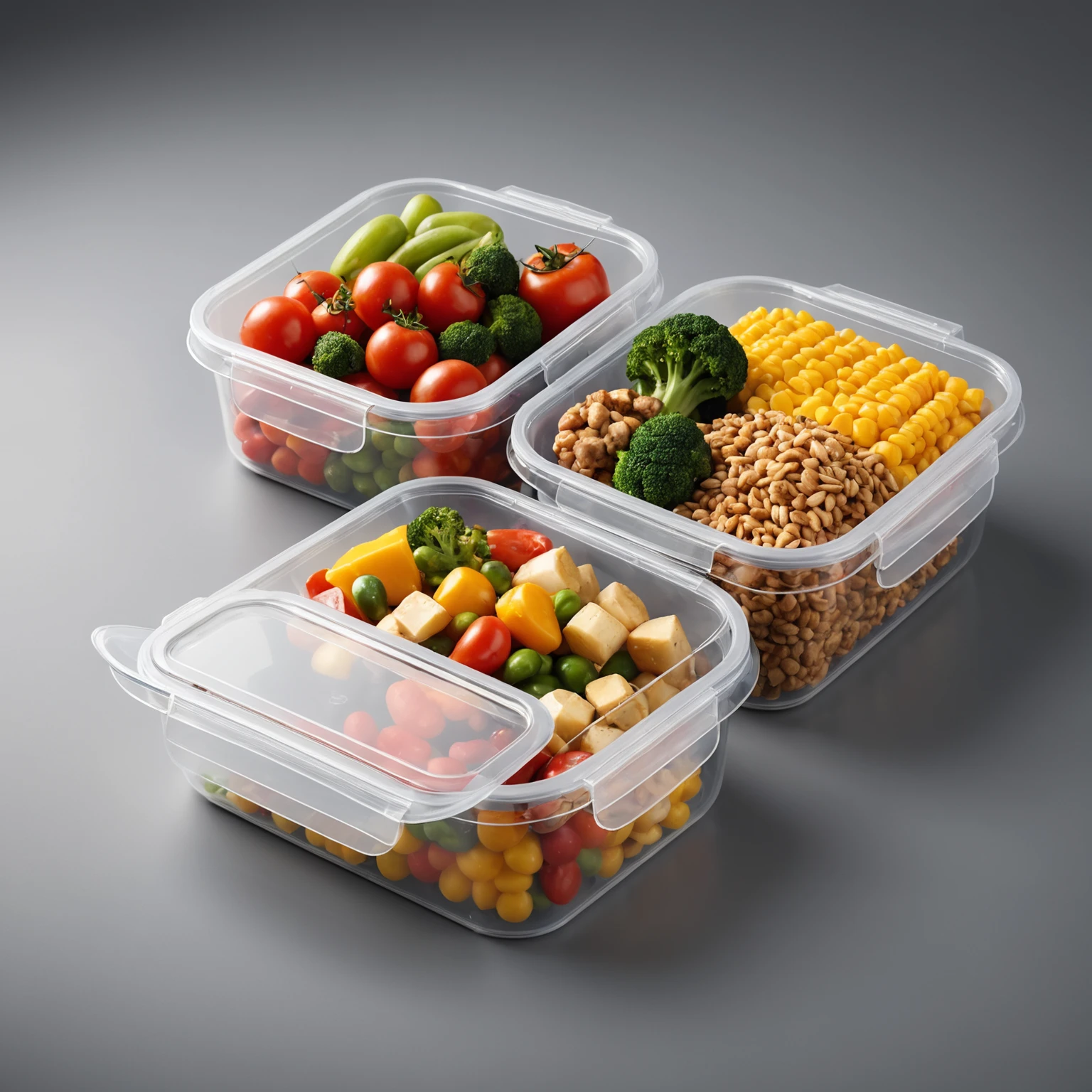
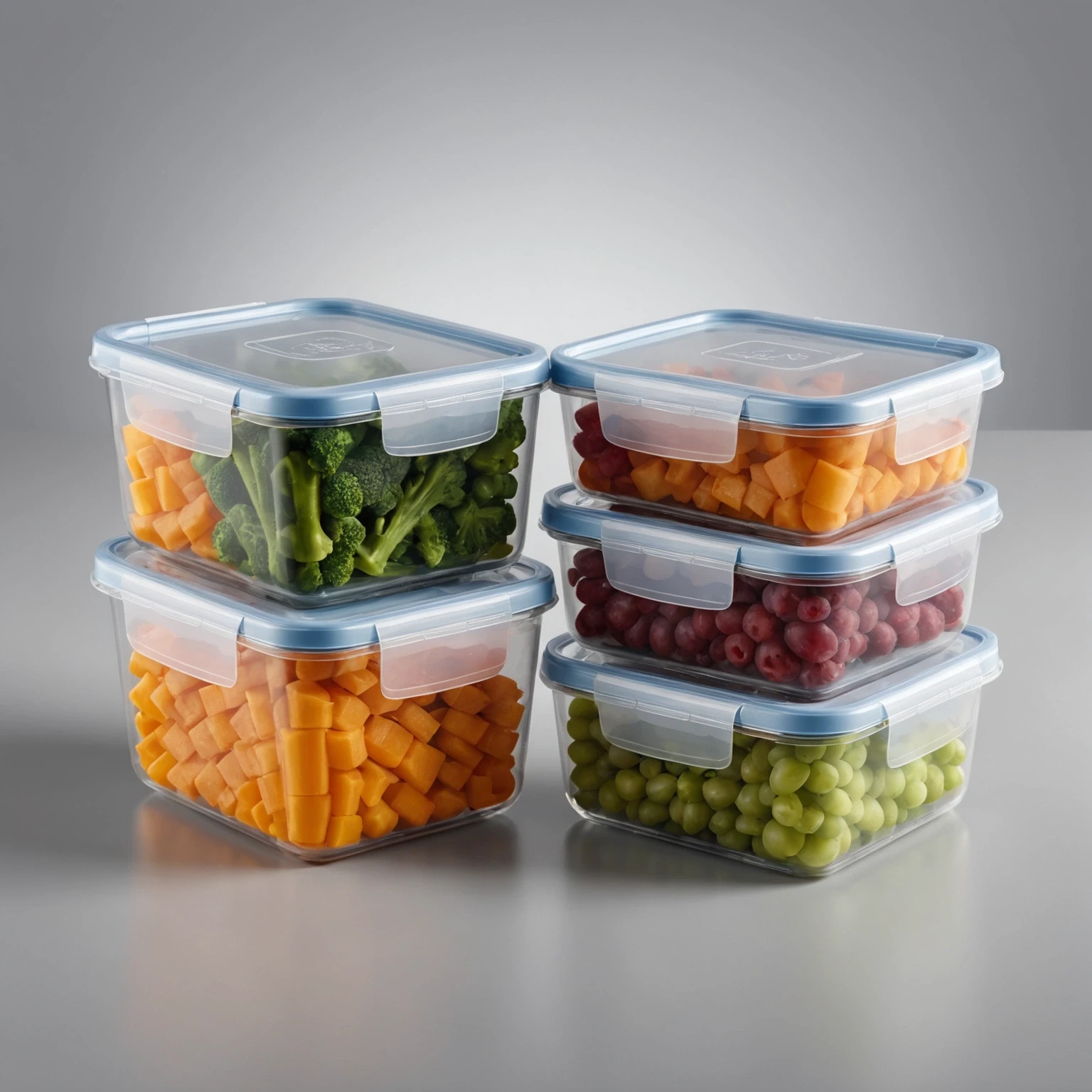
- Cookies: Keep cookies in airtight containers to maintain freshness. Soft cookies benefit from storing with a slice of bread to balance moisture levels. Most cookies freeze well, making them ideal for long-term storage.
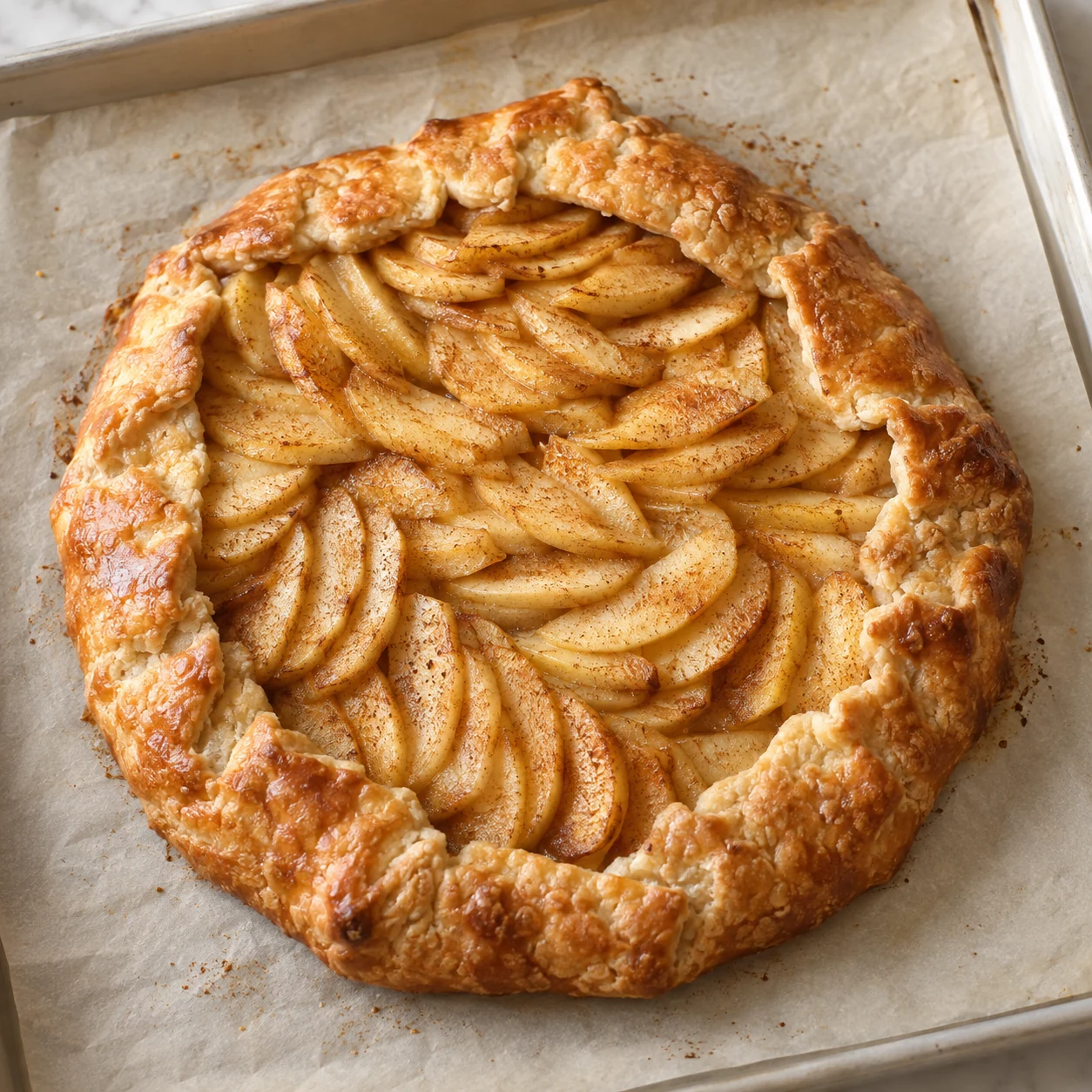
- Pies and Tarts: Allow pies and tarts to cool completely before covering and refrigerating. For freezing, wrap whole pies or individual slices securely to avoid freezer burn and preserve flavor.
How to store and freeze muffins
Start with the recipe. Plain muffins and muffins with perishable fillings or toppings can need different storage. Follow the recipe's storage guidance rather than applying one room-temperature limit to every muffin.
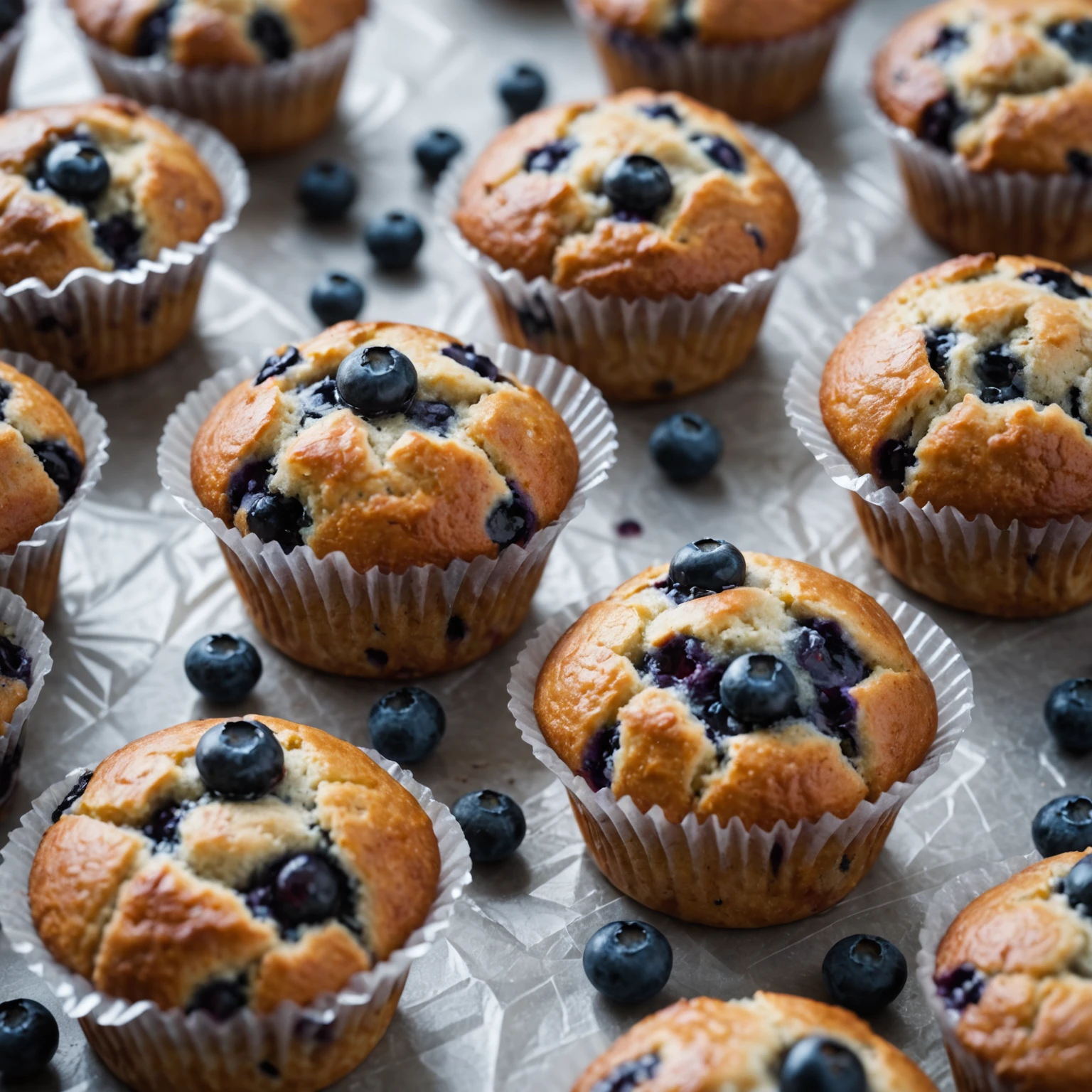
Cool before packing for the freezer. Transfer baked muffins to a rack as directed in the recipe, then package them once cool. For food that requires refrigeration, do not leave it on the counter for extended cooling: refrigerate within two hours, or within one hour when the temperature is above 90°F (32°C). Keep the refrigerator at 40°F (4°C) or below. Sources: King Arthur Baking, USDA food-safety guidance.
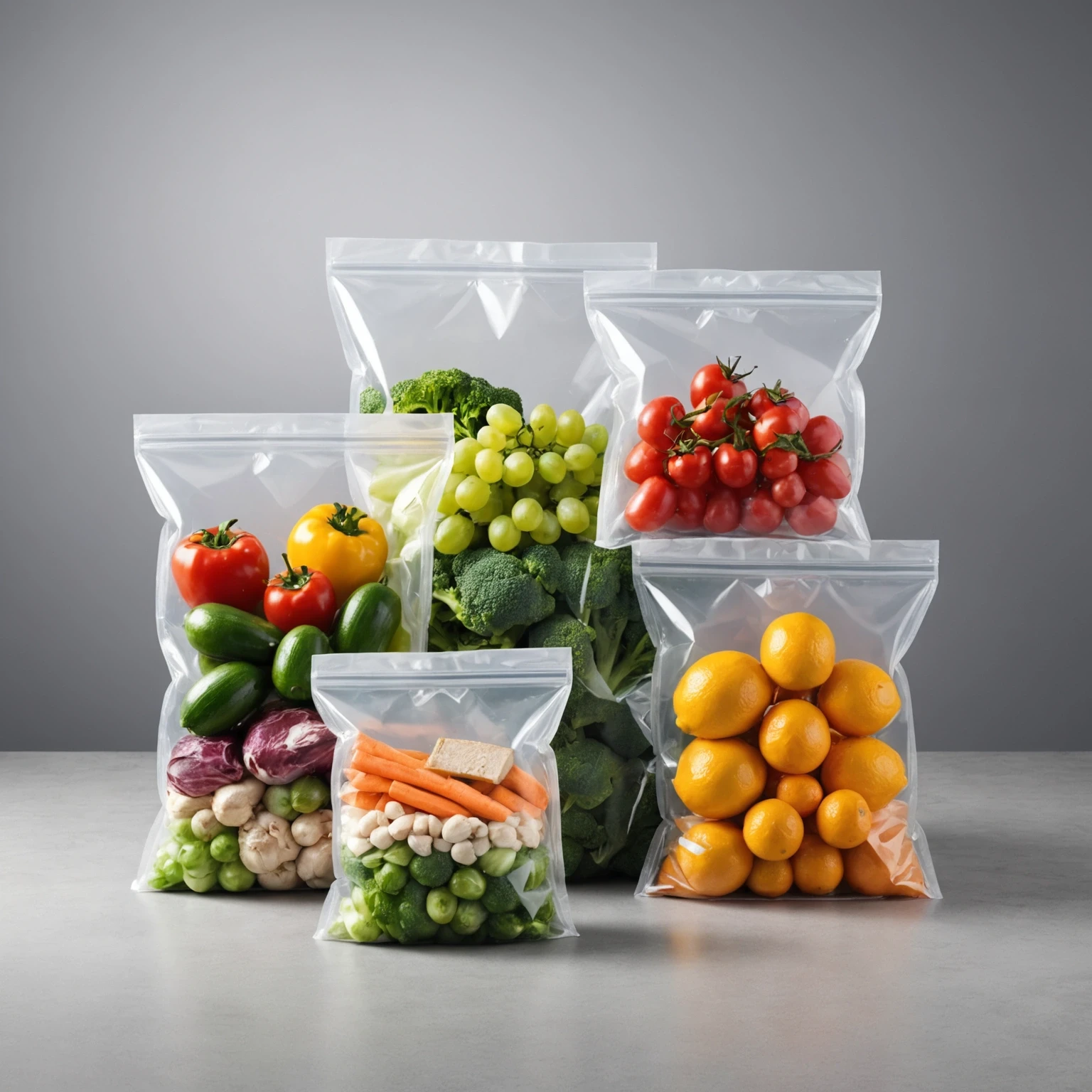
Package for individual portions. Use freezer-safe bags or containers and label them with the recipe name and freezing date. Pack muffins so you can remove only the portions you need. Keep the freezer at 0°F (−18°C) or below. For baked quick breads and muffins, a useful freezer-quality guideline is two to three months; this is a quality window, not a promise that every filling or topping freezes well. Source: Illinois Extension’s freezer-storage guidance.
Thaw for the type of muffin. Follow the recipe's thawing and reheating directions. Food that needs refrigeration should thaw in the refrigerator. Add delicate toppings after thawing when the recipe allows it.
Best Practices for Freezing and Thawing Baked Goods
- Always cool baked goods fully before freezing to prevent ice crystals that degrade texture.
- Use airtight, freezer-safe packaging to keep moisture and odors out.
- Label each package with contents and date to track freshness easily.
- Choose thawing and reheating methods for the recipe and its filling or topping. Thaw food that requires refrigeration in the refrigerator. For other baked goods, follow the recipe's directions; oven and microwave reheating can give different textures. Source: USDA refrigeration guidance.
Tips for Reheating to Restore Freshness
A brief warm-up in a preheated oven can revive the taste and texture of stored baked goods. Placing items like bread or cookies on a wire rack while warming helps restore crispness and softness, bringing back that just-baked experience.
Why Proper Storage and Freezing Matter
Mastering storage and freezing techniques allows you to bake larger batches without sacrificing quality. It reduces waste and ensures you can enjoy your favorite homemade treats over time. These skills also boost your confidence and efficiency in the kitchen, making baking more enjoyable.
By following these expert tips for storing and freezing, you can keep your homemade baked goods fresh, flavorful, and ready to enjoy whenever you want.