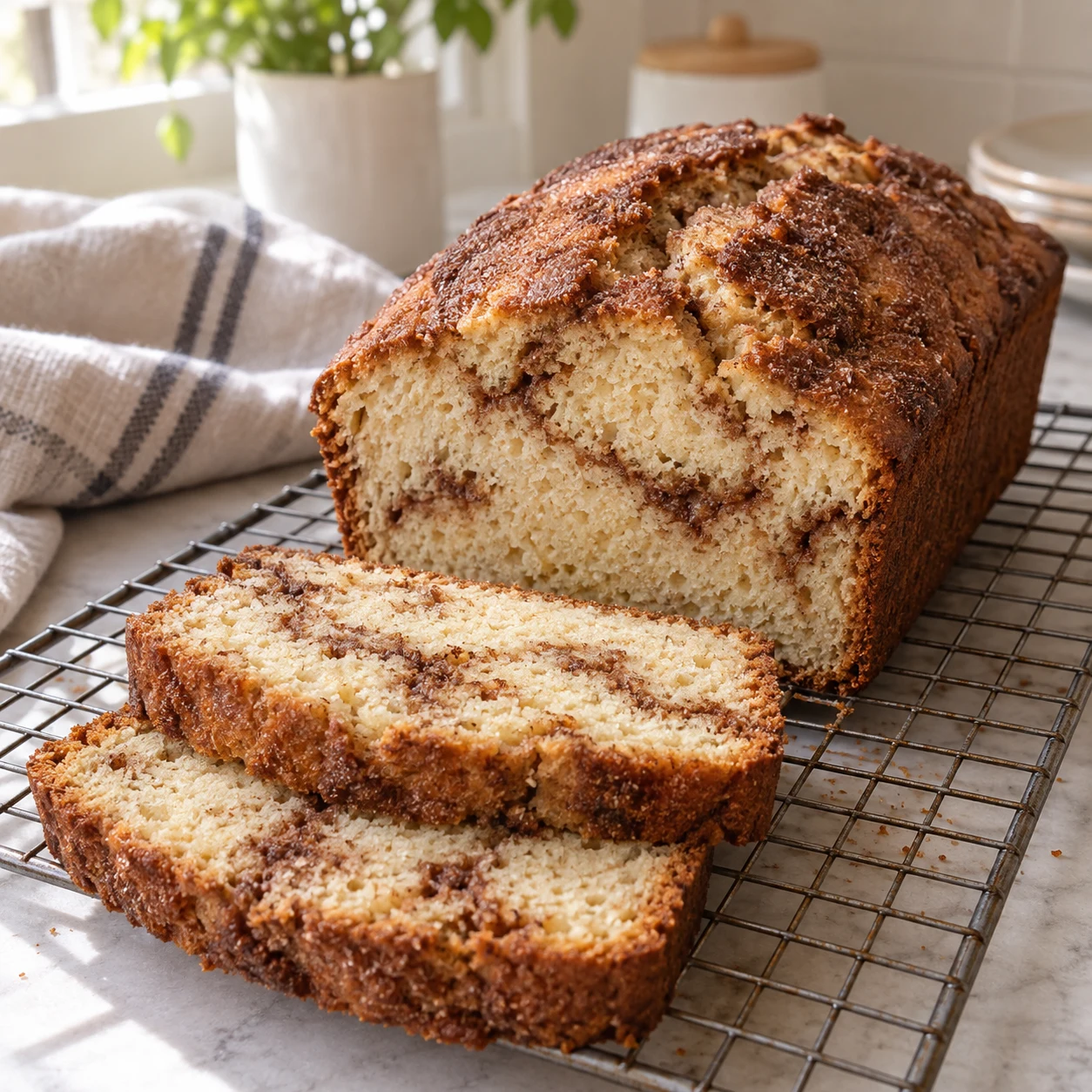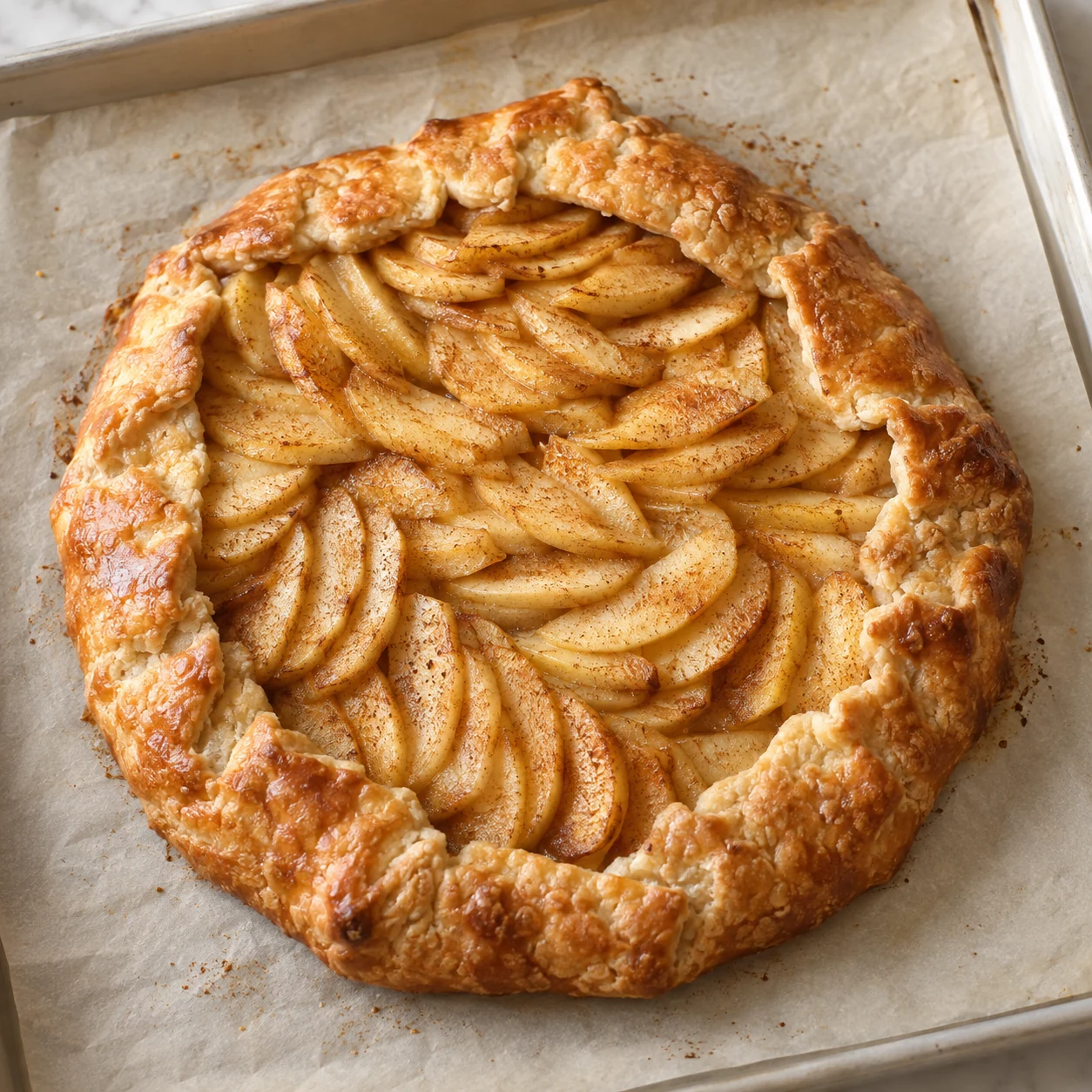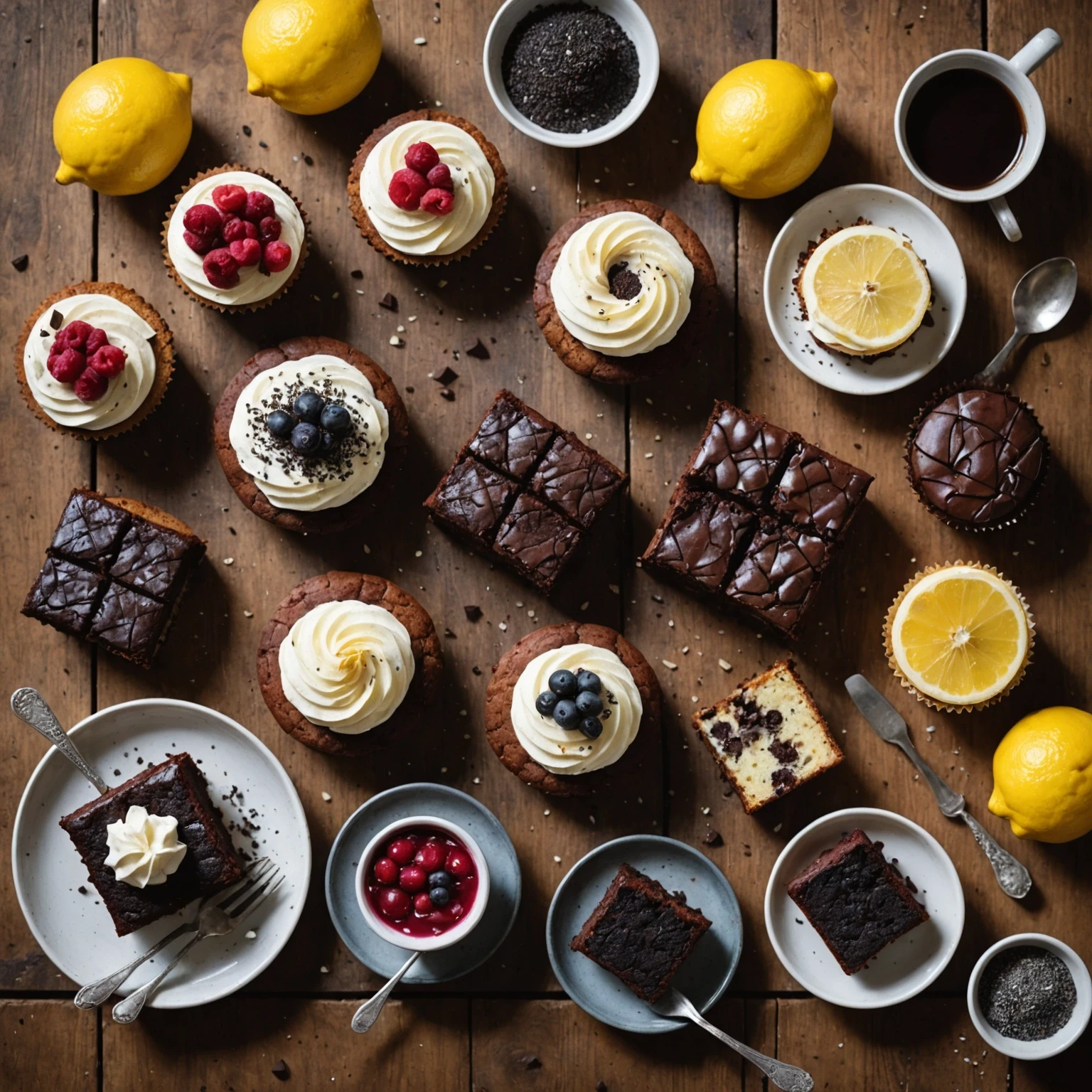
Baking is a journey that combines tradition, creativity, and the artful balance of flavors and textures. For beginner bakers, focusing on classic baked goods with attention to these sensory elements builds valuable skills and confidence in the kitchen.
Understanding Classic Flavor Profiles
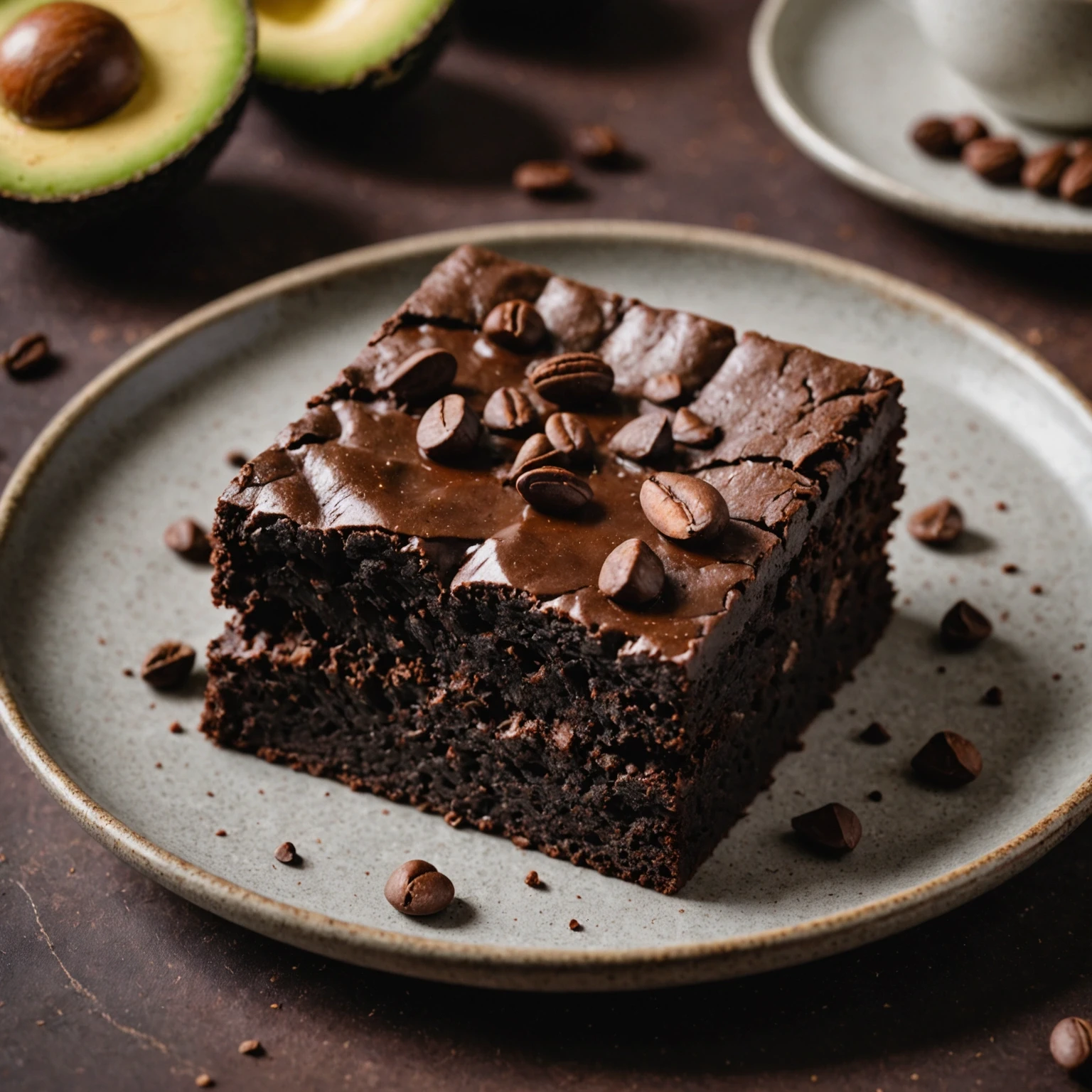
Classic baked recipes often feature well-loved flavor profiles that evoke warmth and comfort—think rich chocolate, zesty citrus, fragrant spices, and the earthy depth of nuts and root vegetables. Becoming familiar with these flavors helps you tailor recipes to your taste preferences and seasonal ingredient availability.
For example, pairing chocolate with fats like avocado oil enhances moisture and complexity without overpowering the dessert. This is perfectly demonstrated in the Classic Vegan Chocolate Brownies with Avocado Oil, where indulgent chocolate meets plant-based ingredients for a satisfying dairy-free option.
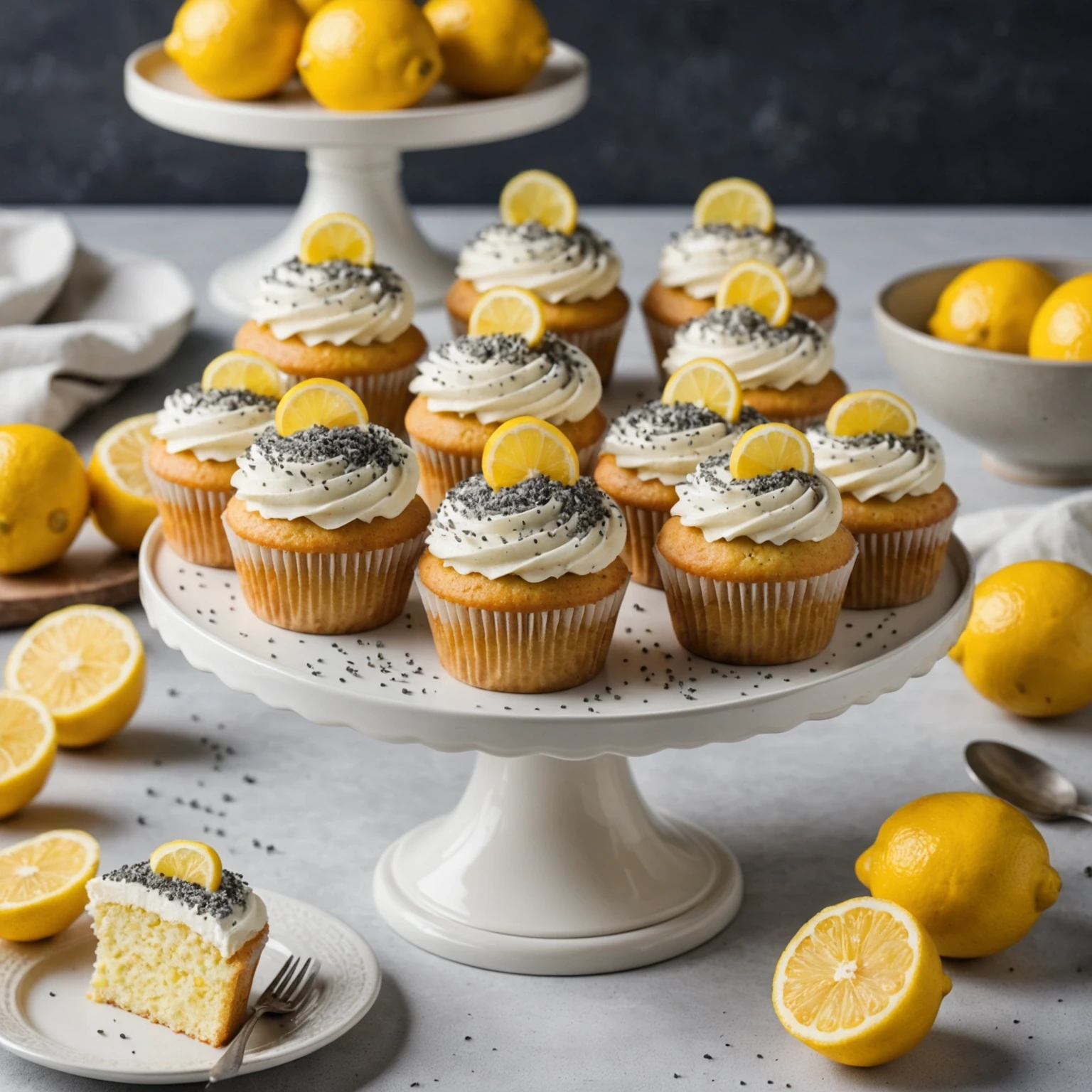
Citrus adds brightness and balance, often combined with complementary textures such as the gentle crunch of poppy seeds. The Easy One-Bowl Lemon Poppy Seed Cupcakes with Light Cream Cheese Frosting showcase this lively flavor and texture pairing, ideal for celebrations or everyday treats.
Creating Textural Contrast for Enhanced Enjoyment
Texture plays a crucial role in the enjoyment of baked goods by introducing variety and interest in every bite. Contrasting elements—like soft, moist interiors with crisp toppings, or tender cakes with crunchy nuts—engage your senses and elevate the eating experience.
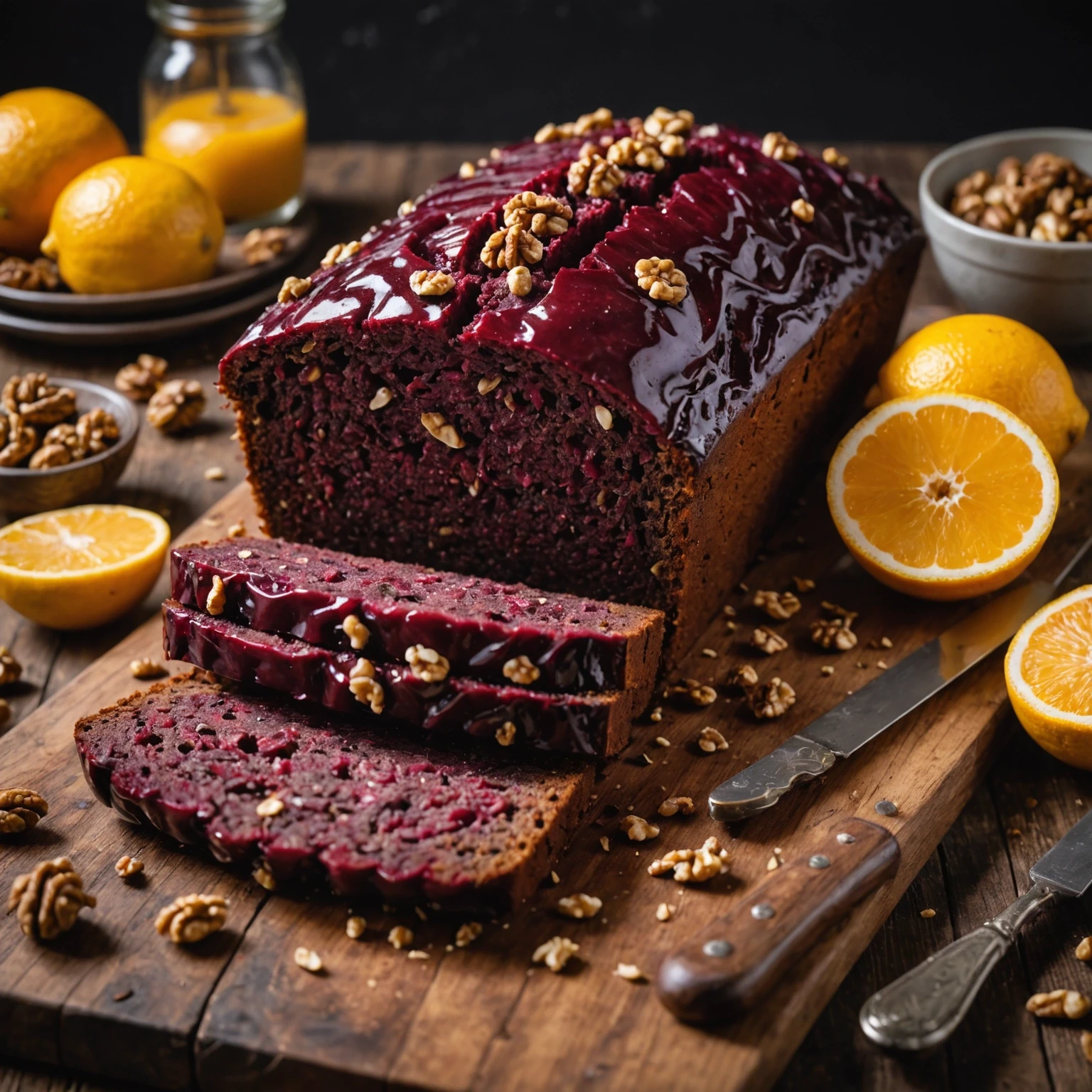
The Vegan Beetroot and Walnut Loaf with Citrus Glaze Recipe is a prime example, combining the moist, earthy beetroot base with crunchy walnuts and a tangy glaze to create a complex, satisfying texture.
Similarly, the Gluten-Free Almond Flour Brown Butter Blondies with Sea Salt offer a tender yet dense bite, balancing the rich nuttiness of browned butter with a sprinkle of sea salt for subtle savory notes.
Selecting Ingredients and Presenting with Intention
Choosing quality, complementary ingredients enhances both flavor and texture. Incorporating natural sweeteners, fresh citrus zest, and whole grains adds depth while keeping nutritional value in mind. Don’t hesitate to experiment with ingredient substitutions to meet dietary needs, keeping your baking inclusive and enjoyable.
Presentation impacts anticipation and enjoyment. Finishing touches such as smooth glazes, delicate dustings of powdered sugar, or artistic frosting drizzles elevate your baked goods, making them as visually appealing as they are delicious.
Building Baking Confidence through Classic Essentials
Focusing on classic flavor profiles and deliberate textural contrasts equips beginner bakers with practical techniques for creating crowd-pleasing treats. These foundational principles encourage creativity and personalization, turning each baking session into a rewarding learning experience.
Explore these inspiring recipes that embody these flavor and texture essentials:
- Classic Vegan Chocolate Brownies with Avocado Oil: Moist chocolate brownies balanced with fats.
- Easy One-Bowl Lemon Poppy Seed Cupcakes with Light Cream Cheese Frosting: Bright, tangy cupcakes accented by crunchy poppy seeds.
- Gluten-Free Almond Flour Brown Butter Blondies with Sea Salt: Buttery blondies with tender texture and a savory salt finish.
- Vegan Beetroot and Walnut Loaf with Citrus Glaze Recipe: Earthy, moist loaf complemented by crunchy nuts and a citrus glaze.
By embracing these essential flavor and texture concepts, your baking will become more confident, creative, and consistently delicious.
If you want a comforting classic that shows how flavor and texture work together, bake the Sticky Toffee Pudding Cake Recipe with its moist date sponge and rich toffee sauce.