Beginnerbakes

Quick Breads

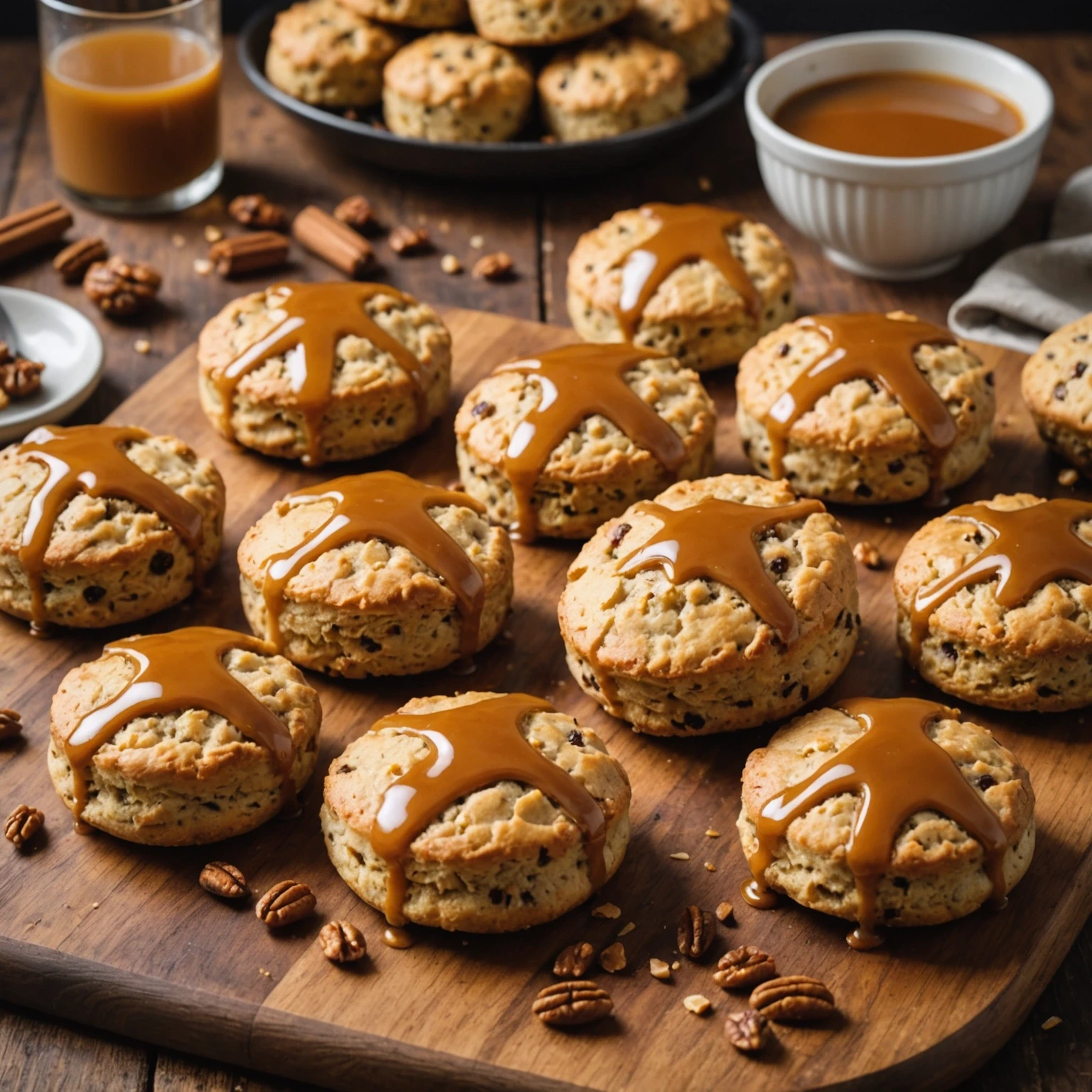
Classic British Sticky Toffee Scones with Butterscotch Glaze Recipe

By Beginnerbakes Test KitchenReviewed by Beginnerbakes Editorial TeamPublished May 4, 2026 · Updated May 12, 2026
British 30 mins beginner-friendlyeasystep-by-stepquickclassiccomfort-foodholidaysnackbutterscotchglazepartymorning-bakeminimal-ingredients

Discover how to make classic British sticky toffee scones with dates and a smooth butterscotch glaze. This quick and easy recipe is perfect for beginner bakers and delivers moist, sweet scones ideal for holiday mornings, parties, or afternoon tea.
Classic British Sticky Toffee Scones with Butterscotch Glaze Recipe
Prep 15 min
Cook 15 min
Total 30 min
Servings 8
Difficulty easy
Cuisine British

Recipe Details

Prep15 min
Cook15 min
Total30 min
Servings8
Difficultyeasy
CuisineBritish
Add To Favorites

Ingredients

Servings 8
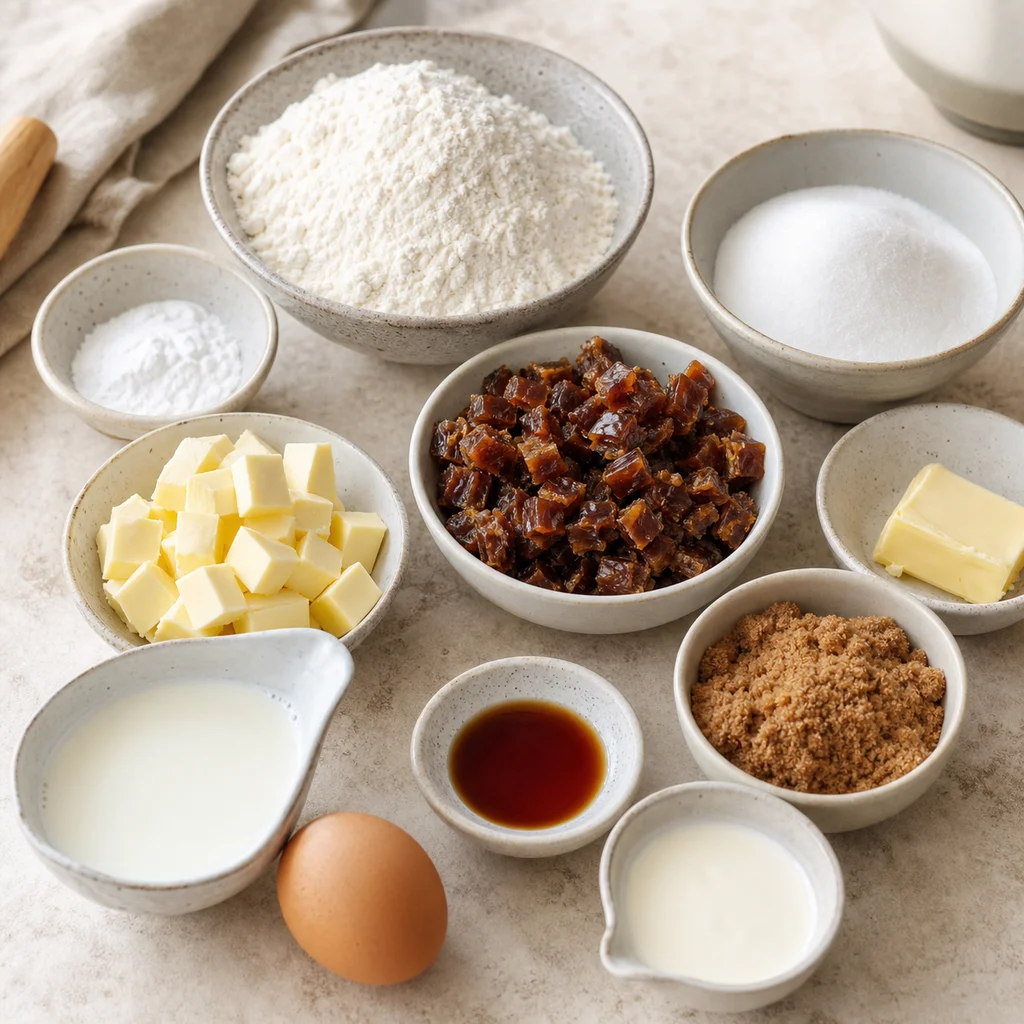
  • 225g self-raising flour (about 1 3/4 cups), sifted
  • 50g caster sugar (1/4 cup)
  • 1 teaspoon baking powder
  • 100g pitted dates, chopped finely
  • 85g cold unsalted butter, diced
  • 150ml whole milk (about 2/3 cup)
  • 1 large egg
  • 1 teaspoon vanilla extract
  • 100g brown sugar (1/2 cup, packed)
  • 50g unsalted butter (3 1/2 tablespoons)
  • 2 tablespoons double cream or heavy cream
  • 1/2 teaspoon vanilla extract

Instructions

  1. Preheat your oven to 220°C (425°F) and line a baking sheet with parchment paper.
  2. In a large mixing bowl, combine the sifted self-raising flour, caster sugar, and baking powder. Stir to mix evenly.
  3. Add the chopped dates to the dry ingredients and toss to coat, preventing clumps.
  4. Add the cold diced butter. Using your fingertips, rub the butter into the flour mixture until it resembles fine breadcrumbs. Avoid overworking for tender scones.
  5. In a separate small bowl, whisk together the egg, milk, and vanilla extract.
  6. Make a well in the center of the dry ingredients and pour in the wet mixture.
  7. Gently mix with a knife or wooden spoon until the dough just comes together; it should be soft and slightly sticky but not wet. Add a little flour if too sticky.
  8. Turn the dough onto a lightly floured surface and gently knead just once or twice to bring it together.
  9. Pat the dough into a round about 2 cm (3/4 inch) thick.
  10. Using a round cutter (about 6 cm / 2.5 inch diameter) dipped in flour, cut out scones. Gather scraps, gently re-roll, and cut more scones until all dough is used.
  11. Place scones on the prepared baking sheet, spacing them apart.
  12. Bake for 12–15 minutes until risen and golden brown.
  13. While baking, prepare the butterscotch glaze: Melt butter in a small saucepan over medium heat.
  14. Add brown sugar and stir until dissolved and bubbling. Simmer gently 2–3 minutes without stirring to thicken.
  15. Remove from heat, stir in cream and vanilla extract until smooth and glossy.
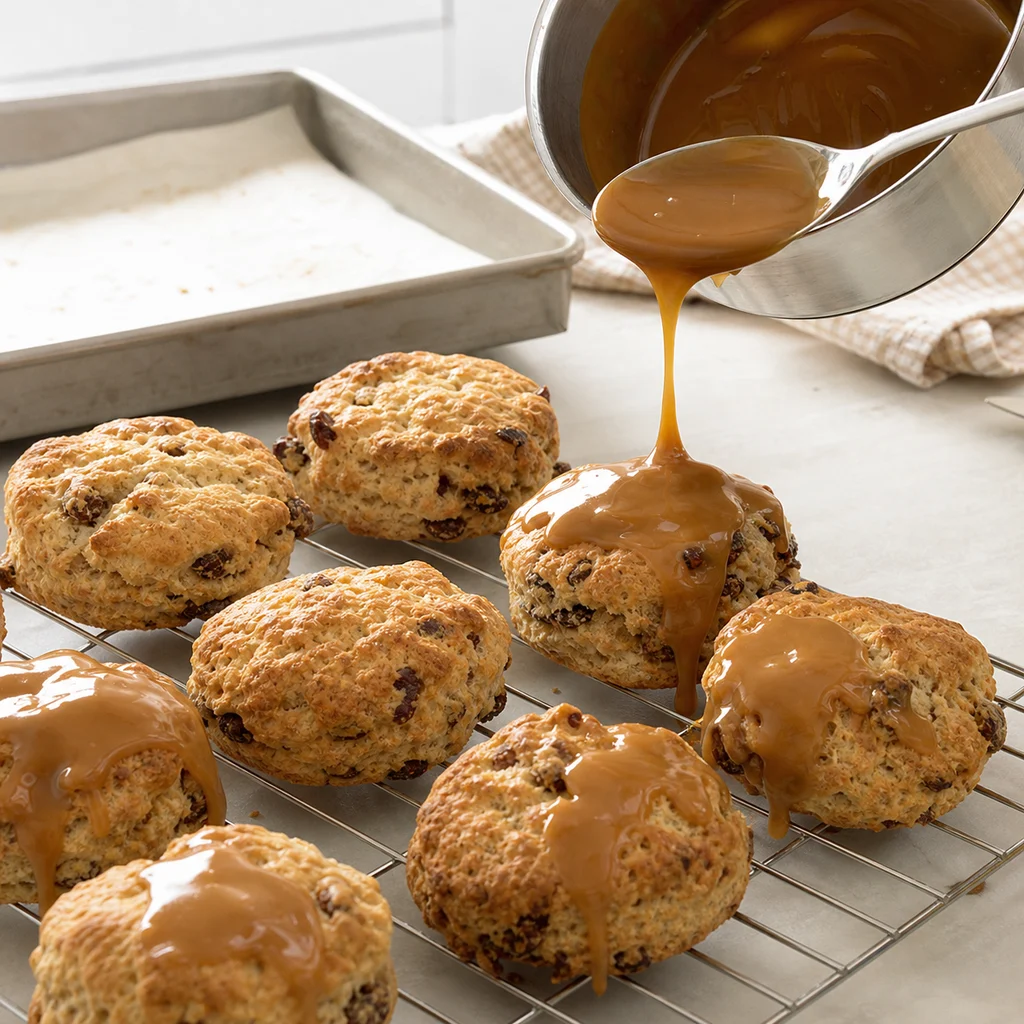
  16. Transfer baked scones to a wire rack. Spoon warm butterscotch glaze over each scone immediately to soak in slightly.
  17. Let cool for a few minutes before serving warm. These sticky toffee scones are best fresh but freeze well.

Frequently Asked Questions

Reader questions and answers for this recipe will appear here.

Customize these sticky toffee scones to suit dietary needs with simple ingredient swaps that maintain delicious results:

  • Flour: Use gluten-free self-raising flour for gluten intolerance.
  • Butter: Dairy-free margarine or coconut oil for dairy-free and vegan versions.
  • Milk: Almond, soy, or oat milk to replace dairy milk.
  • Egg: Use a flaxseed egg (1 tablespoon ground flaxseed + 3 tablespoons water) as vegan substitute.
  • Sugar: Replace caster and brown sugar with coconut sugar or low-glycemic sweeteners.
  • Cream in Glaze: Swap double cream with full-fat coconut milk for dairy-free glaze.
  • Dates: Use dried apricots or raisins to avoid nuts or vary flavor.

These swaps keep the recipe approachable and inclusive without sacrificing texture or taste.

Equipment Needed

To bake classic British sticky toffee scones with butterscotch glaze, gather these essential beginner-friendly tools for a smooth process:

  • Oven: Preheat to 220°C (425°F) for ideal baking.
  • Baking Sheet: Flat tray lined with parchment paper to prevent sticking and ensure even baking.
  • Large Mixing Bowl: For mixing dry and wet ingredients efficiently.
  • Small Bowl: To whisk egg, milk, and vanilla.
  • Sifter or Fine Mesh Strainer: To sift flour and baking powder for light texture.
  • Measuring Cups and Spoons: For precise ingredient measurement.
  • Knife or Wooden Spoon: To gently combine the dough ingredients without overworking.
  • Pastry Cutter or Fingertips: To rub cold butter into flour to create a fine breadcrumb texture.
  • Rolling Pin (Optional): To flatten dough evenly about 2 cm (3/4 inch) thick.
  • Scone Cutter or Round Biscuit Cutter (~6 cm / 2.5 inches): For cutting perfect scones.
  • Small Saucepan: To make the buttery butterscotch glaze on the stove.
  • Wire Cooling Rack: To cool scones and let glaze absorb without sogginess.
  • Spoon: To ladle the butterscotch glaze over the scones.

Having these tools ready will help you confidently create tender, flaky scones that celebrate traditional British baking.

Ingredient Prep Notes

Flour: Use self-raising flour as specified for ideal rise and texture; alternatively, mix 225g all-purpose flour with 2 teaspoons baking powder.

Dates: Chop finely for even sweetness; dried figs or raisins also work as substitutes.

Butter: Use cold unsalted butter diced into small cubes for flaky crumb; cold vegan butter works for dairy-free versions.

Milk: Whole milk recommended for richness; plant-based milk alternatives can be used with slight liquid adjustments.

Egg: Adds structure and moisture; vegan binders like flax eggs can replace for plant-based baking.

Sugars: Caster sugar for dough; brown sugar for glaze provide fine texture and caramel flavor. Coconut sugar can replace brown sugar for variation.

Butterscotch Glaze: Double or heavy cream gives a creamy finish; coconut cream can substitute for dairy-free glaze.

Tip: Handle dough gently and avoid over-mixing to keep scones tender and flaky.

Oven Note

For perfectly risen and golden sticky toffee scones, follow these oven tips tailored for beginners:

  • Preheat oven fully: Ensure 220°C (425°F) is reached before baking.
  • Middle rack placement: For even heat circulation and consistent browning.
  • Avoid opening oven door early: Prevents collapse by keeping oven closed for at least first 10 minutes.
  • Check for doneness: Scones should be golden and spring back lightly; a skewer inserted should come out clean.
  • Adjust temperature if needed: Ovens vary; reduce or increase by 10–15°C accordingly.
  • Use parchment or silicone mats: For even baking and easy cleanup.
  • Space scones adequately: Prevents overcrowding and ensures proper rising.

Following these steps helps guarantee fluffy, tender sticky toffee scones every time.

Easy Upgrade Ideas

Add a special touch to your classic British sticky toffee scones with these simple, beginner-friendly ideas:

  • Warm Spices: Add 1/2 teaspoon cinnamon, nutmeg, or mixed spice to dry ingredients for cozy flavor.
  • Chopped Nuts: Stir in 50g toasted walnuts or pecans for crunch and nuttiness.
  • Fruit Variations: Substitute dates with chopped dried apricots, raisins, or figs for variety.
  • Sea Salt Finish: Sprinkle flaky sea salt over warm butterscotch glaze for irresistible sweet-salty contrast.
  • Chocolate Drizzle: Add melted dark or milk chocolate over glazed scones for added indulgence.
  • Dairy-Free Milks: Use almond or oat milk and plant-based cream in place of dairy.
  • Glaze Twists: Replace vanilla in glaze with a splash of bourbon, orange zest, or espresso powder for complex flavors.
  • Serving Upgrades: Serve warm with clotted cream, fresh berries, or whipped coconut cream for pleasing presentation.

These upgrades enhance flavor and appeal while keeping the recipe easy and beginner-friendly.

Related Articles

Read related air fryer guides and cooking tips.

More Recipes

Explore more recipes you may like.

Reviews

Rate this recipe and share a photo of your result.

No reviews yet.

Newsletter

Stay In The Loop

Get fresh recipes, articles, and updates from Beginnerbakes.