Understand the roles of flour, leavening, liquid, eggs, fat, sugar and salt in quick breads, and why substitutions depend on the recipe.
Quick bread ingredients at a glance
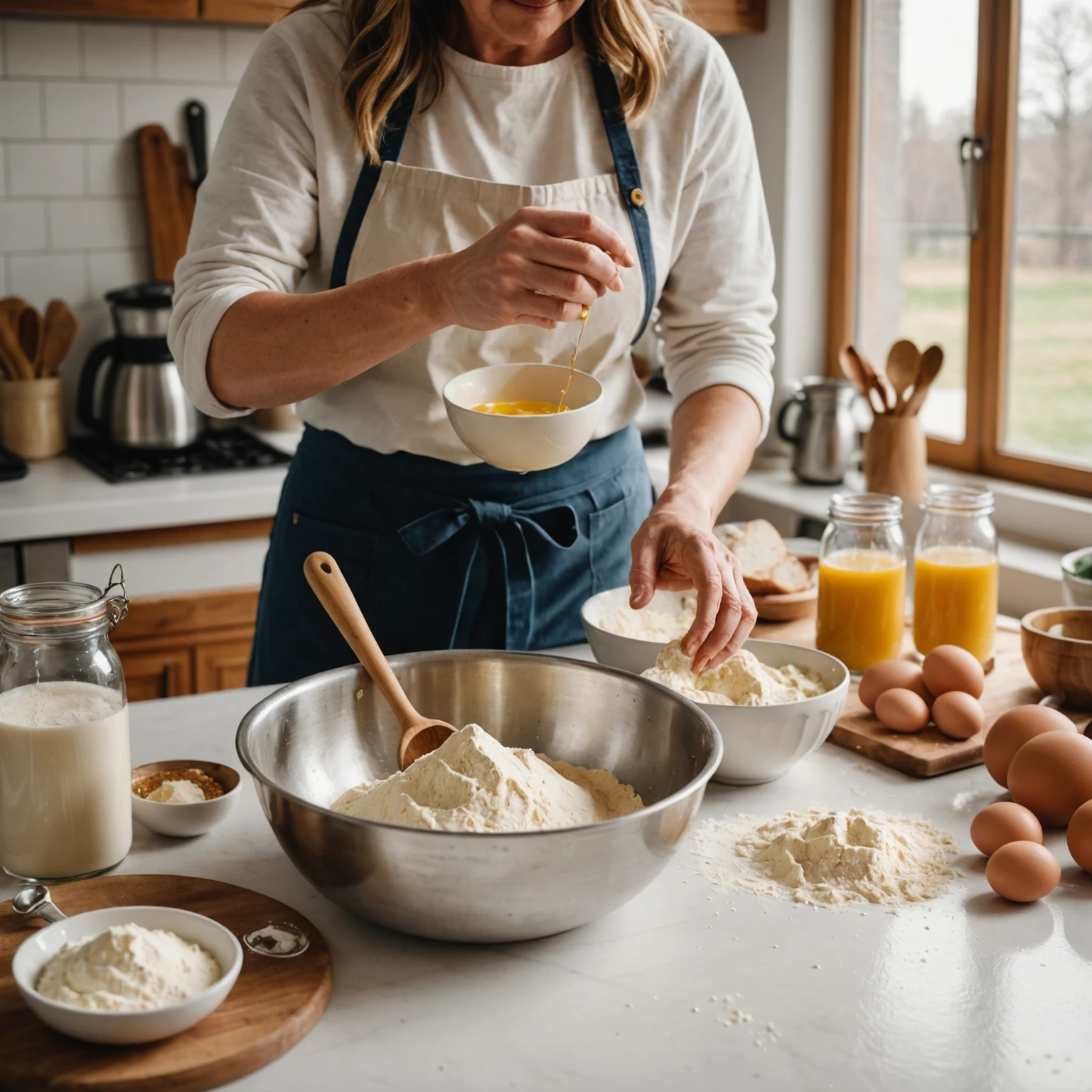
These seven ingredient groups are a useful starting point, not a rule that every quick bread contains all seven. Follow the quantities and method in the recipe.
| Ingredient group | Function | Example |
|---|---|---|
| Flour | Forms the structure | All-purpose flour or a specified gluten-free blend |
| Leavening | Helps the batter rise | Baking powder or baking soda with an acidic ingredient |
| Liquid | Hydrates the dry ingredients | Milk or buttermilk |
| Eggs | Help bind and set the mixture | Whole eggs |
| Fat | Contributes tenderness and texture | Butter or oil |
| Sugar | Adds sweetness and affects browning and moisture | White or brown sugar |
| Salt | Balances flavor | The salt specified in the recipe |
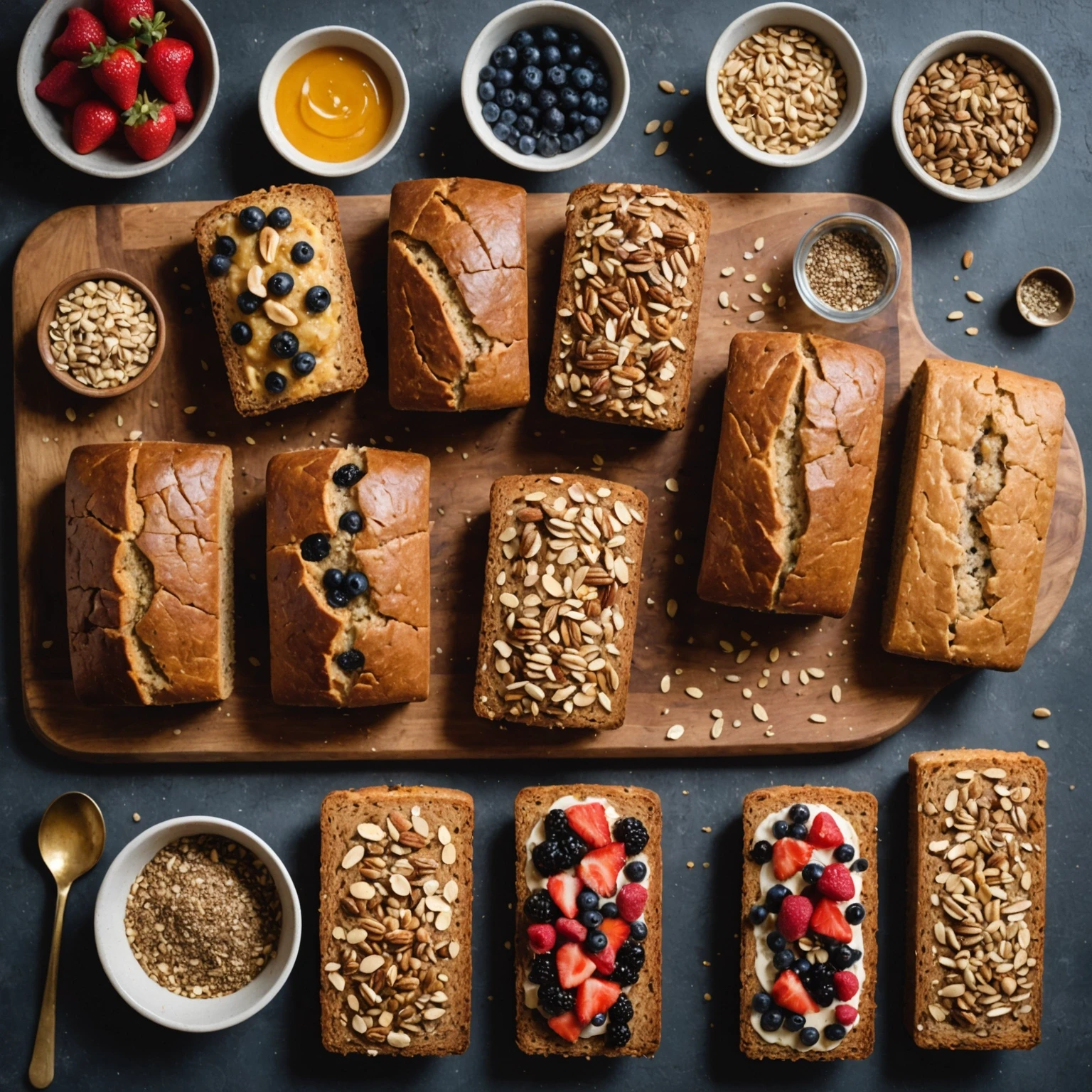
Flour Varieties and Their Impact on Texture and Flavor
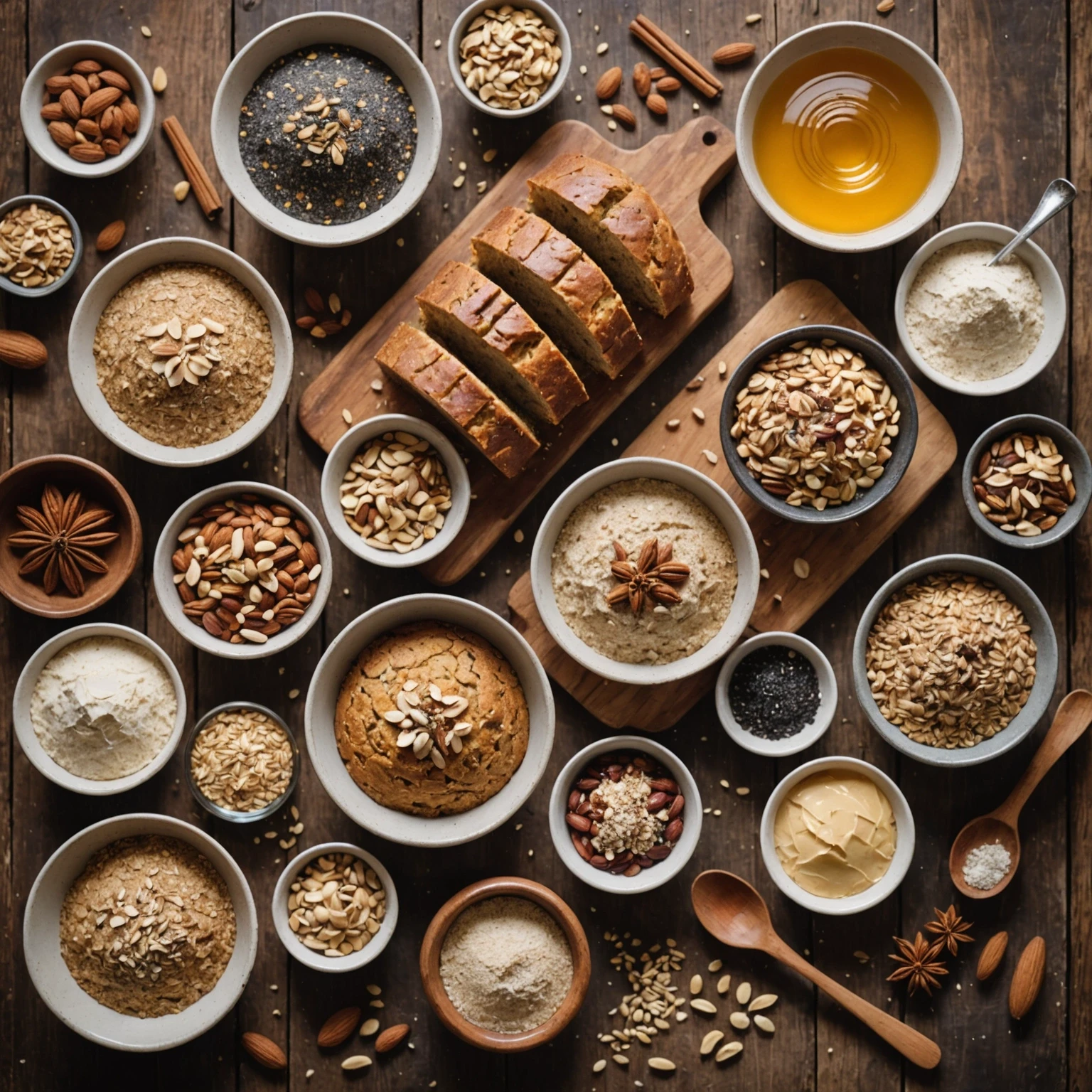
Flour forms the base of quick breads. All-purpose flour is the most beginner-friendly choice due to its balanced protein content, producing a soft, light crumb. Whole grain flours like whole wheat, oat, or spelt add rich flavor and boost fiber and nutrients but often create denser baked goods. Combining whole grains with lighter flours can help maintain a desirable texture.
For a recipe that specifies a gluten-free flour blend, try the sweet potato muffins with cinnamon swirl. They call for a blend that already contains xanthan gum. Follow that requirement rather than substituting a single alternative flour.
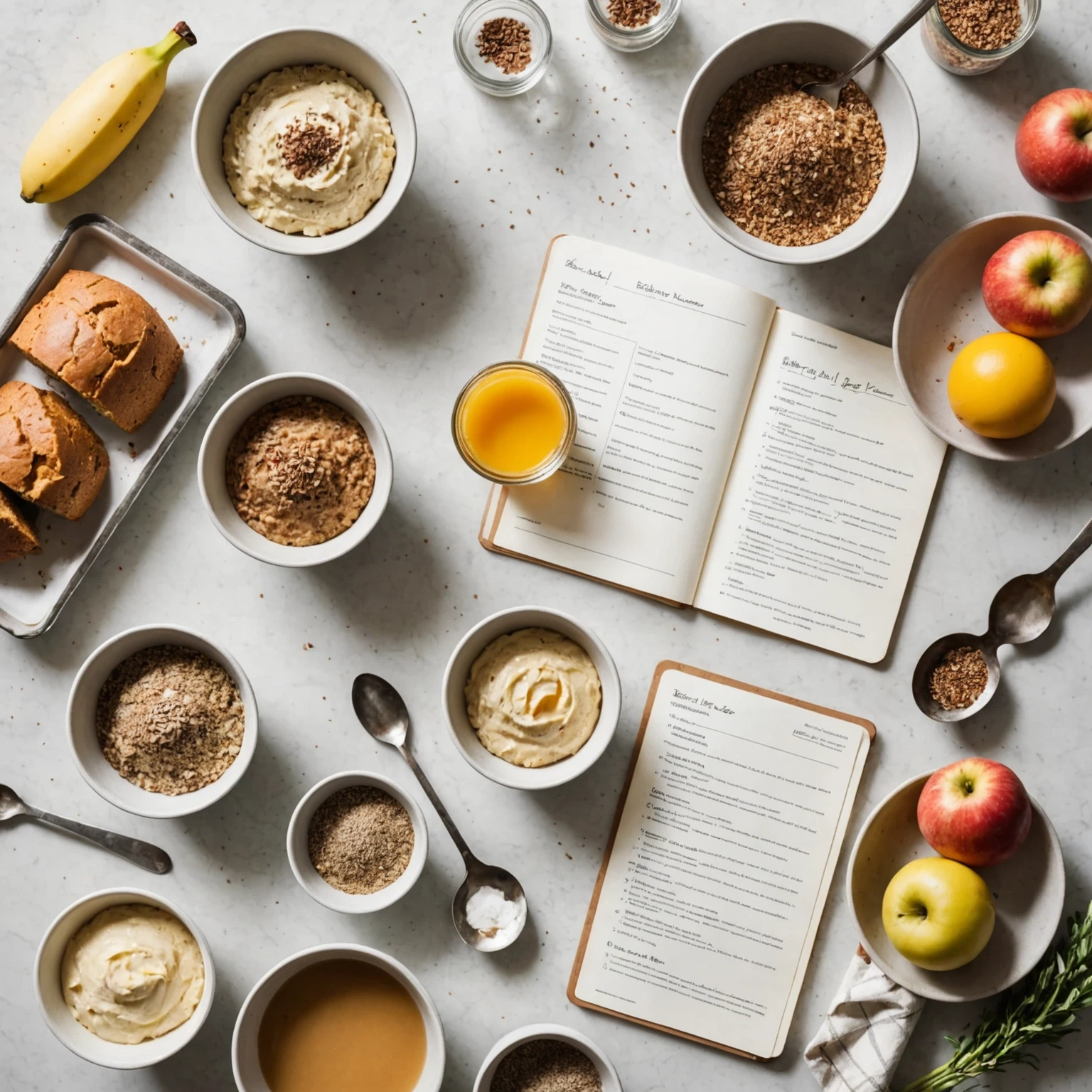
Leavening Agents: Making Quick Breads Rise Perfectly
Chemical leaveners like baking powder and baking soda give quick breads their rise. Baking soda needs an acidic ingredient — like buttermilk, lemon juice, or yogurt — to activate, while baking powder contains both acid and base components that react when moistened and heated. Using the right amounts and pairing these with acids ensures your bread rises well and avoids any metallic or bitter aftertaste.
The buttermilk biscuits use both baking powder and baking soda alongside cold buttermilk. Their method also shows how to cut cold butter into flour and fold the dough before cutting.
Sweeteners: Enhancing Flavor, Moisture, and Color
Sweeteners do more than add sweetness — they affect moisture retention, browning, and texture. While white and brown sugars are traditional, natural sweeteners like honey, maple syrup, and coconut sugar introduce unique flavors and often soften the crumb.
See how honey is measured in honey lemon poppy seed muffins and honey oatmeal raisin cookies. These recipes use different combinations of sweeteners and liquids; follow each ingredient list rather than replacing sugar with honey by the same volume.
Fats: Adding Tenderness and Moist Crumb
Fats such as butter provide richness and tenderness, while oils like olive or avocado oil—and dairy-free alternatives—offer moisture with different textures. Oils tend to create softer, moister crumbs but lack butter’s distinct flavor.
The scones with clotted cream and jam start with chilled, diced butter rubbed into flour. For an oil-based dough, the pumpkin spice cookies with maple drizzle mix oil with pumpkin puree before the dry ingredients are added. Follow each recipe's method instead of treating the fats as interchangeable.
Dairy and Dairy-Free Alternatives for Moisture and Acidity
Milk supplies liquid; buttermilk and yogurt also contribute acidity. Plant-based milks and yogurts differ in protein, fat, thickness and acidity. Use a recipe that specifies the alternative you need rather than assuming an equal-volume swap or adding an unmeasured splash of acid.
Flavor Enhancers: Spices, Fruits, Nuts, and Seeds
Spices such as cinnamon, nutmeg, and cardamom provide warmth and aroma, transforming simple breads into memorable treats. Fresh and dried fruits contribute natural sweetness and texture, while nuts and seeds add crunch and enhance nutrition.
Savory baked goods also benefit from herbs and cheeses, like in our Gluten-Free Savory Cheese and Herb Crackers with Flaxseed, which showcase bold, satisfying flavors.
Boosting Nutrition with Whole Grains and Seeds
Adding ingredients like flax, chia, oats, and seeds increases fiber, protein, and fats. These enhance not only nutrition but also texture and visual appeal.
Smart Ingredient Substitutions for Flexibility
Knowing how to swap ingredients keeps baking adaptable and inclusive:
- Fruit purees add water and solids and do not perform all the roles of butter. Use a recipe developed for applesauce or banana rather than replacing the butter by an assumed ratio.
- Flax or chia mixtures do not reproduce every role of eggs. Use an egg-free recipe with specified binder and liquid quantities; a universal replacement ratio is not established here.
- Whole-wheat and gluten-free flours absorb liquid differently. Follow a recipe that specifies the blend rather than changing the flour proportion without adjusting the formula.
Inspiration to Experiment and Personalize Your Baking
Try diverse ingredients and combinations to suit your preferences. Our Classic British Eccles Cakes Recipe with Currants and Spiced Sugar blends traditional flavors with fruity and spicy notes for creative inspiration.
By understanding the role and impact of each component, you can confidently customize quick breads to reflect your taste and nutritional goals. Happy baking from the Beginnerbakes team!