Flavor & Ingredient Tips
Beginnerbakes
Classic British Seed and Herb Scones with Zesty Lemon Glaze | Easy Beginner Baking Recipe
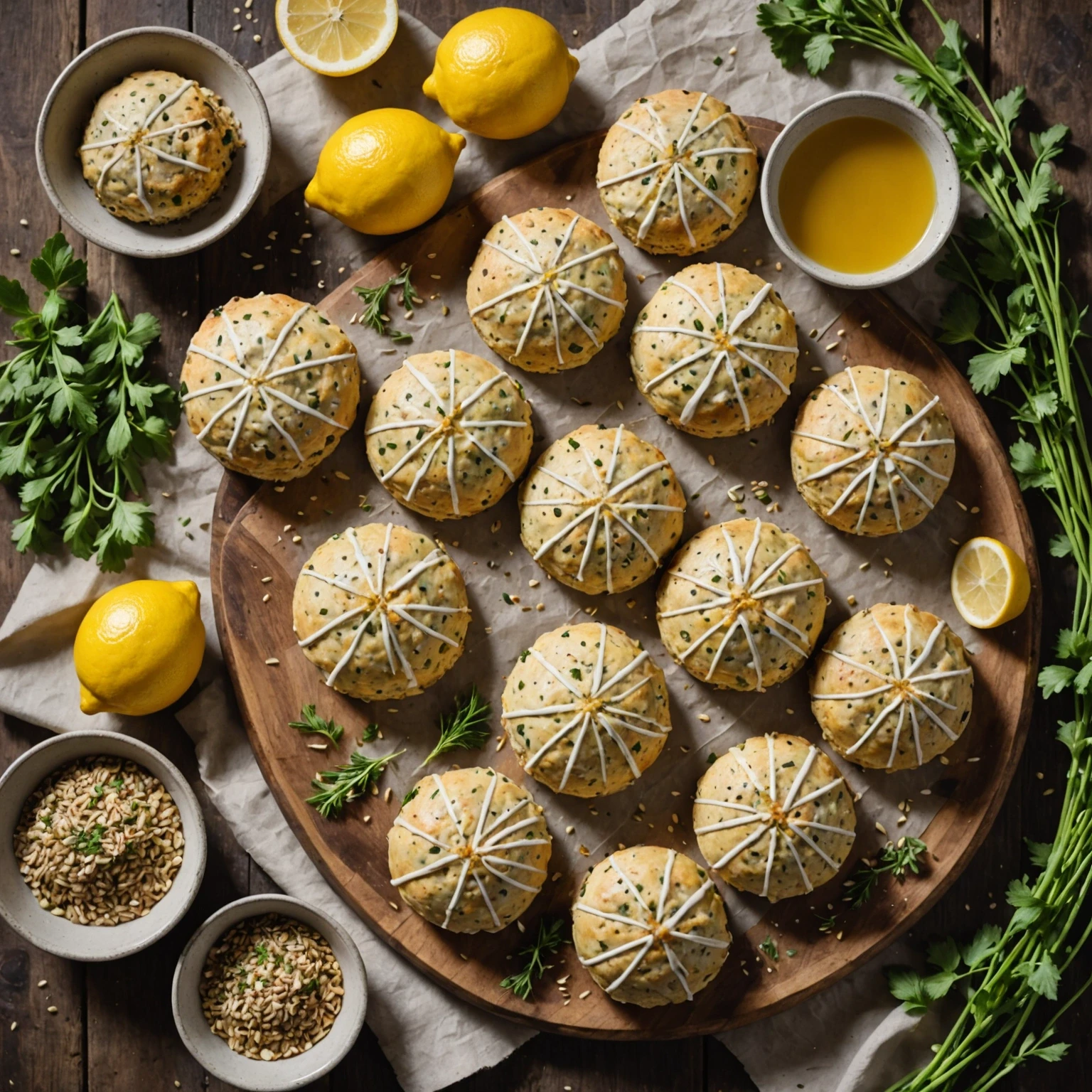
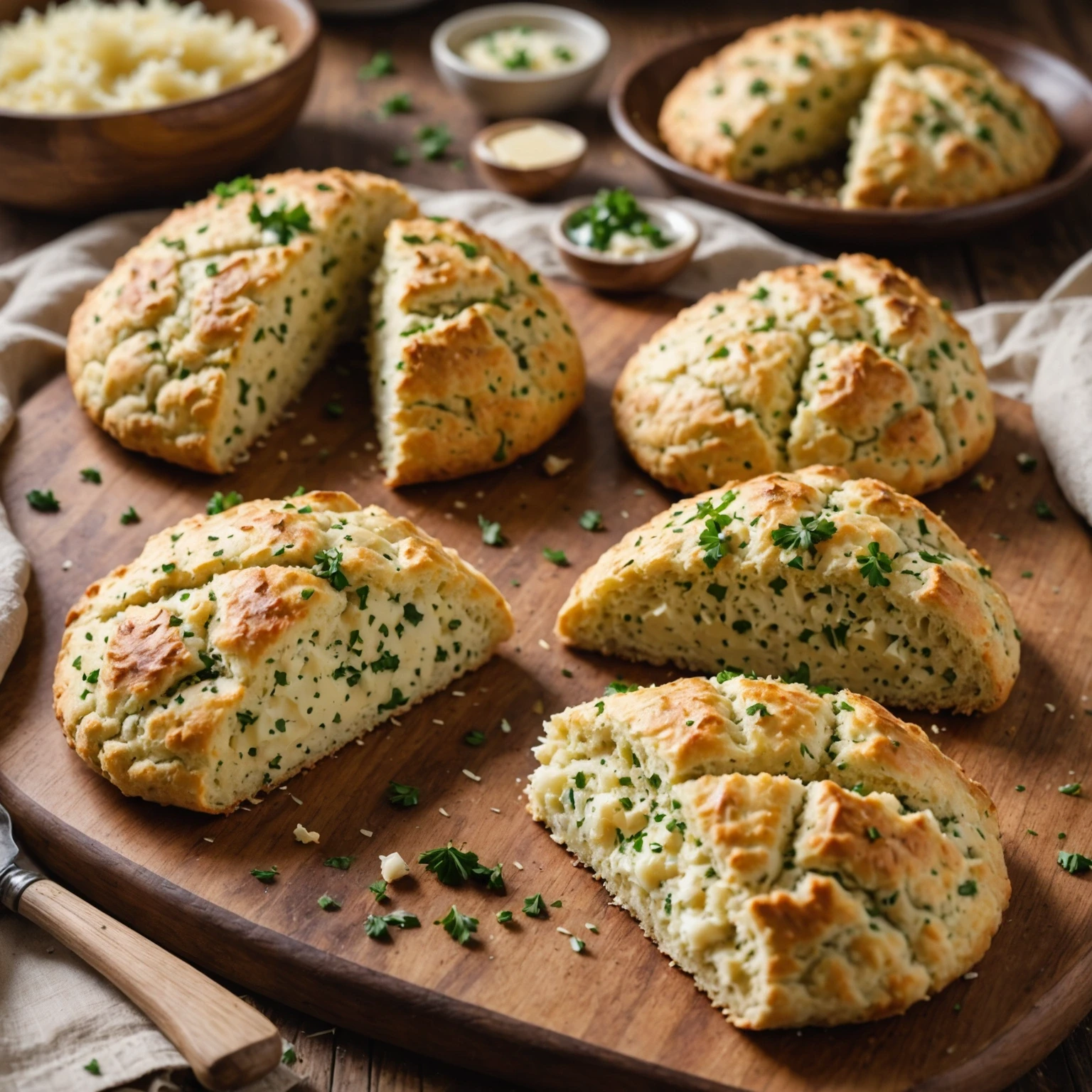
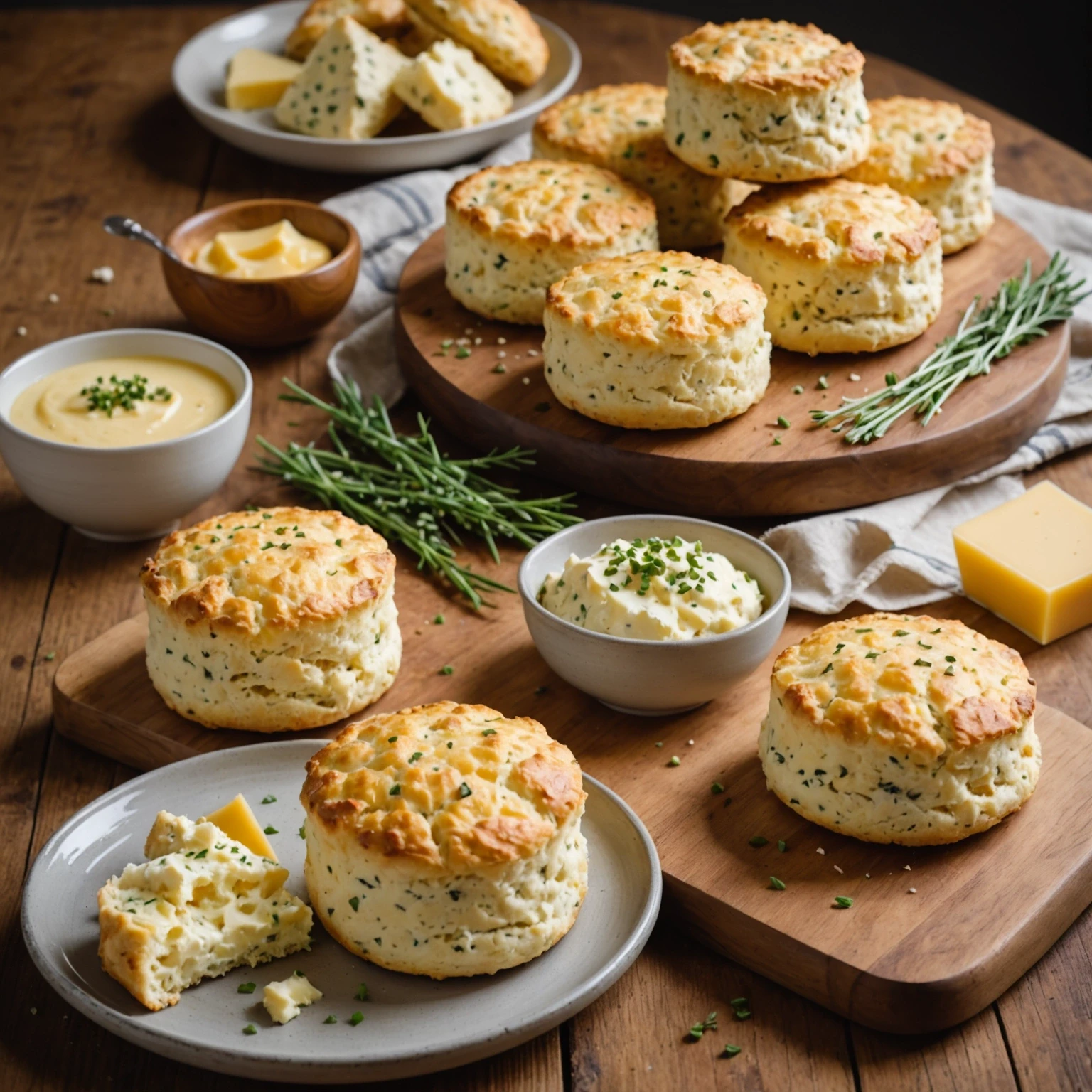
This easy beginner-friendly recipe for classic British seed and herb scones features fresh herbs, mixed seeds, and a zesty lemon glaze. Perfect for breakfast, teatime, or savory snacks, these soft, golden scones come together quickly using simple ingredients and step-by-step instructions.
Ingredients
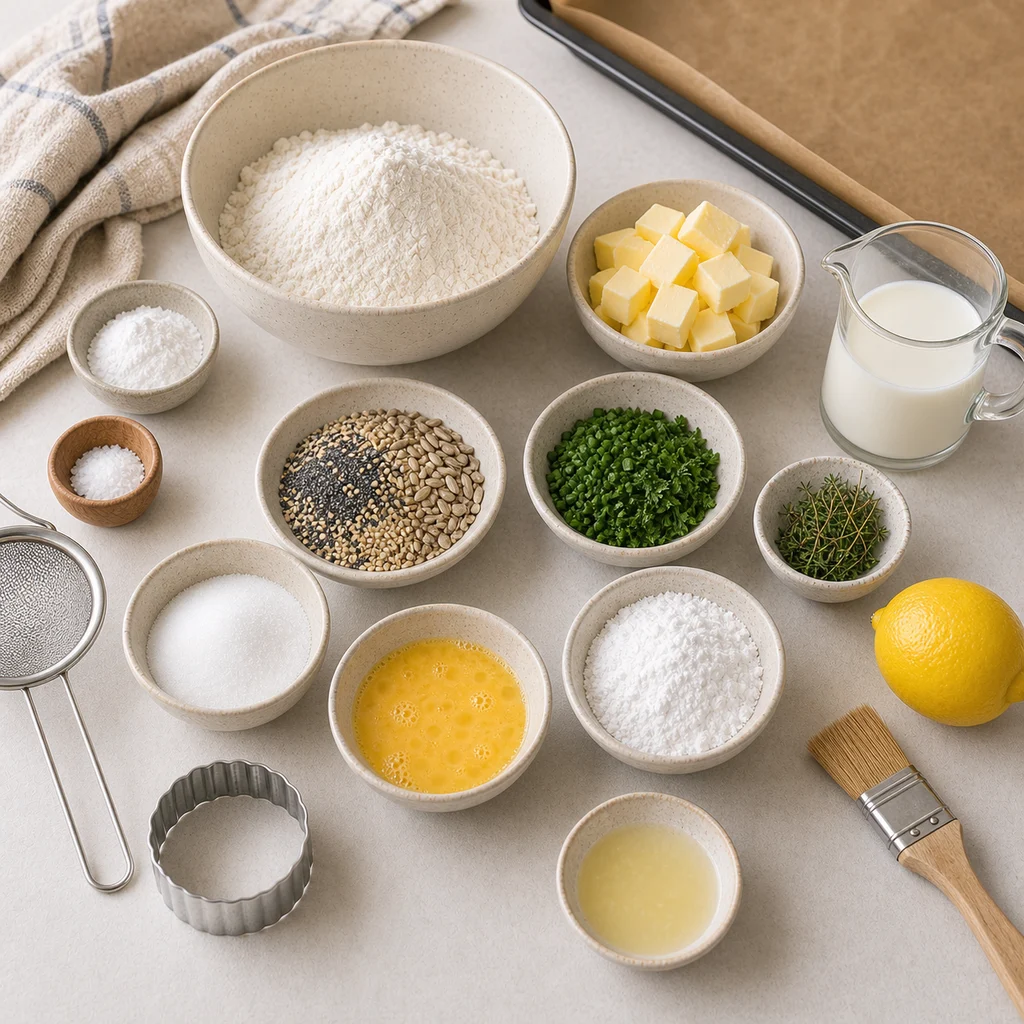
- 350g (2 ⅔ cups) self-raising flour
- 1 tsp baking powder
- ½ tsp salt
- 2 tbsp mixed seeds (e.g., sesame, poppy, sunflower)
- 2 tbsp finely chopped fresh herbs (such as chives, parsley, and thyme)
- 60g (4 tbsp) cold unsalted butter, diced
- 40g (3 tbsp) caster sugar
- 150ml (⅔ cup) cold whole milk
- 1 large egg, beaten (for glazing)
- 100g (¾ cup) icing sugar, sifted
- 2 tbsp fresh lemon juice
Instructions
-
Preheat your oven to 220°C (425°F) and line a baking tray with parchment paper.
-
In a large mixing bowl, sift together the self-raising flour, baking powder, and salt.
-
Add the mixed seeds, chopped herbs, and caster sugar to the dry ingredients. Mix gently to combine evenly.
-
Add the cold diced butter to the bowl. Using your fingertips, rub the butter into the flour mixture until it resembles fine breadcrumbs. Work quickly to avoid warming the butter.
-
Make a well in the center and pour in the cold milk. Using a butter knife or a spatula, gently mix until the dough just comes together. It will be slightly sticky but do not overwork the dough.
-
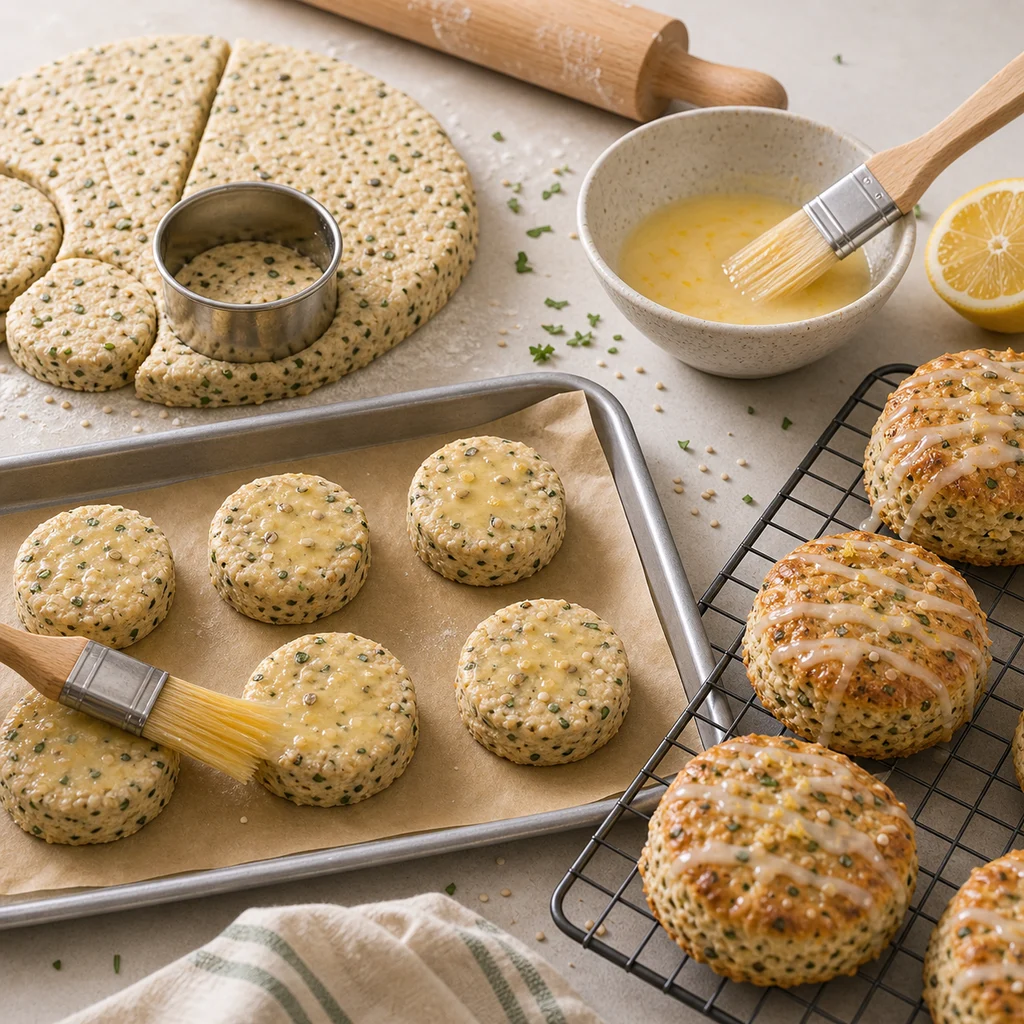
Turn the dough out onto a lightly floured surface and gently pat it into a 2cm (¾ inch) thick round.
-
Using a floured 6cm (2 ½ inch) round cutter, press down firmly to cut out scones. Gather any scraps, gently re-pat, and cut more scones until the dough is used up.
-
Place the scones on the prepared baking tray, leaving a small space between each.
-
Brush the tops with the beaten egg to give a golden, shiny finish when baked.
-
Bake in the preheated oven for 12-15 minutes or until the scones have risen and turned golden brown on top.
-
While the scones bake, prepare the lemon glaze by mixing the icing sugar with fresh lemon juice until smooth and runny but not too watery.
-
Once the scones are out of the oven, allow them to cool slightly on a wire rack for 5 minutes.
-
Drizzle the lemon glaze over the warm scones evenly to provide a fresh citrus finish.
-
Serve warm or at room temperature, perfect with butter, clotted cream, or just as they are.
Frequently Asked Questions
Reader questions and answers for this recipe will appear here.
Adapt these seed and herb scones to your dietary needs without losing flavor or texture using these ingredient swaps:
- Flour: Use gluten-free self-raising flour blends, adding 1 tsp baking powder if needed.
- Butter: Replace cold unsalted butter with vegan margarine or coconut oil for dairy-free and vegan options.
- Milk: Substitute whole milk with unsweetened almond, oat, or soy milk for plant-based baking.
- Egg for Glaze: Use a plant-based milk glaze (e.g., almond milk with maple syrup) instead of egg for a vegan shiny finish.
- Seeds & Herbs: Customize seeds and herbs based on allergies or preference—try pumpkin seeds, chia seeds, basil, or oregano.
- Sugar: Use low-sugar alternatives like stevia or coconut sugar for lighter sweetness in dough and glaze.
These substitutions keep the recipe quick and accessible for various dietary preferences while maintaining delicious savory flavors.
Equipment Needed
Essential equipment for making classic British seed and herb scones with lemon glaze includes simple tools ideal for beginner bakers:
- Mixing Bowl: Large bowl for combining dry and wet ingredients easily.
- Sifter or Fine Mesh Strainer: To sift flour, baking powder, and icing sugar ensuring light, smooth dough and glaze.
- Measuring Cups and Spoons: Accurate measurement aids for ingredients like flour, seeds, herbs, sugar, and liquids.
- Butter Knife or Spatula: For gentle mixing without overworking the dough.
- Your Fingers or Pastry Cutter: To rub cold butter into flour to achieve the right crumbly texture.
- Floured Surface: Dust countertop or cutting board to shape dough without sticking.
- 6cm (2½ inch) Round Biscuit Cutter: For precise scone shapes; substitute with a glass if unavailable.
- Baking Tray and Parchment Paper: Enables even baking and easy scone removal.
- Pastry Brush: To glaze scones with egg for a shiny golden crust.
- Wire Rack: For cooling scones, preventing sogginess.
- Small Bowl and Spoon: To mix smooth lemon glaze before drizzling.
Having this basic equipment prepped makes baking these savory, comforting scones simple and enjoyable.
Ingredient Prep Notes
Flour & Leavening: Use self-raising flour containing baking powder; if substituting plain flour, add 2 tsp baking powder per 350g and sift together for proper rise.
Butter: Cold, unsalted butter diced into small pieces helps produce tender, flaky scones. Using salted butter? Reduce salt to ¼ tsp.
Seeds & Herbs: Mixed seeds like sesame, poppy, and sunflower impart crunch. Fresh herbs such as chives, parsley, thyme contribute brightness. Dried herbs can substitute at 1 tsp.
Sugar: Caster sugar dissolves quickly for gentle sweetness; granulated sugar works if finely ground.
Milk: Cold whole milk helps bind dough; for dairy-free, use cold unsweetened plant milk (oat or almond) and adjust quantity if dough is too wet.
Egg Glaze: Beaten egg gives a glossy crust. For egg-free, brush with milk, plant milk, or melted vegan butter.
Lemon Glaze: Fresh lemon juice provides bright citrus flavor. Lime or orange juice are alternatives but change glaze profile. Sift icing sugar to avoid lumps.
Additional Tips: Work quickly when rubbing in butter to keep it cold. Avoid over-mixing dough for light texture. Re-gather scraps gently.
Oven Note
Follow these oven tips for perfectly baked scones every time, especially for beginners:
- Preheat Oven: Always preheat to 220°C (425°F) to ensure good rise and crust.
- Middle Rack: Position baking tray on center rack for even heat distribution and browning.
- Keep Door Closed: Avoid opening oven door during baking to prevent temperature drops that hinder rising.
- Check Doneness: Scones should be risen, golden brown, and sound hollow when tapped underneath.
- Parchment Paper: Helps prevent sticking and promotes even cooking.
- Use Oven Thermometer: If available, confirm actual temperature for consistent results, as oven dials vary.
- Cool Before Glazing: Let scones rest on a wire rack before glazing to prevent glaze from sliding off.
These simple baking tips will help you achieve tender, golden scones with full flavor every time.
Easy Upgrade Ideas
Enhance your classic British seed and herb scones with these simple, beginner-friendly flavor upgrades and presentation ideas:
- Add Cheese: Stir in 50g grated sharp cheddar or parmesan for a delicious cheesy herb scone.
- Change Seeds: Try pumpkin, flax, or chia seeds for varied texture and taste.
- Sweet & Savory Glaze: Mix in a tablespoon of honey or maple syrup to the lemon glaze for richer sweetness.
- Herb Swaps: Use rosemary, basil, or dill as fresh herb alternatives for new flavor profiles.
- Citrus Zest: Add 1 tsp lemon or orange zest to the dough to enhance the glaze's citrus notes.
- Butter Finish: Brush scones with melted butter immediately after baking for a soft, glossy crust.
- Serving Suggestions: Perfect with clotted cream, jam, or Greek yogurt for teatime or parties.
- Vegan & Dairy-Free: Use plant milks and vegan butter; swap sugar for maple syrup as needed.
These easy customizations keep your baking stress-free, flavorful, and visually appealing.
Related Articles
Read related air fryer guides and cooking tips.
More Recipes
Explore more recipes you may like.
Reviews
Rate this recipe and share a photo of your result.
No reviews yet.
Save this recipe
Log in to keep this recipe in your favorites.
Reset password Register