Leavening agents are fundamental to baking, responsible for producing the gases that enable breads, cakes, cookies, and pastries to rise and attain desirable lightness and texture. Whether you are baking quick breads or yeast-leavened breads, understanding how leavening agents work can dramatically improve your baking results and help you troubleshoot common issues.
What Are Leavening Agents and How Do They Work?
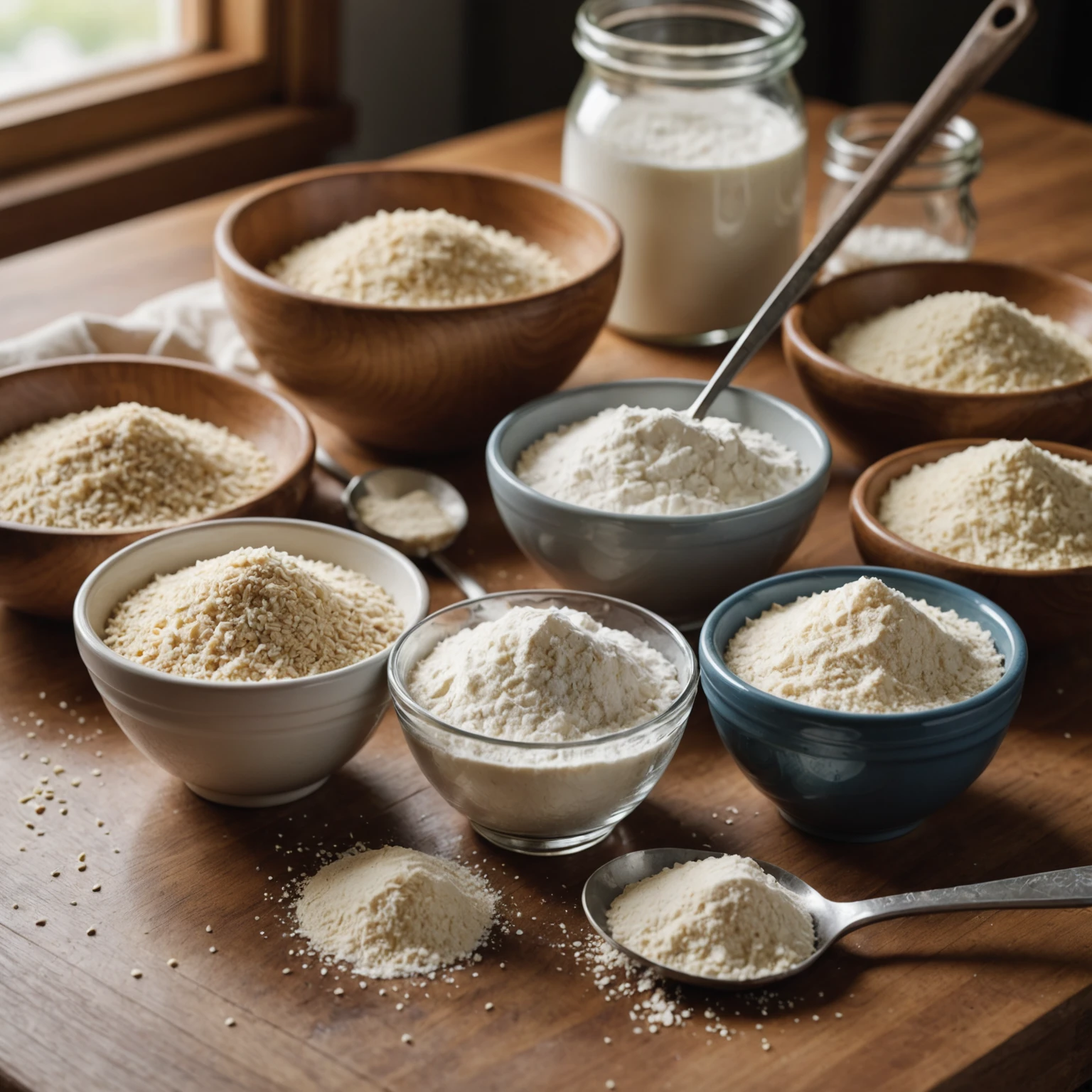
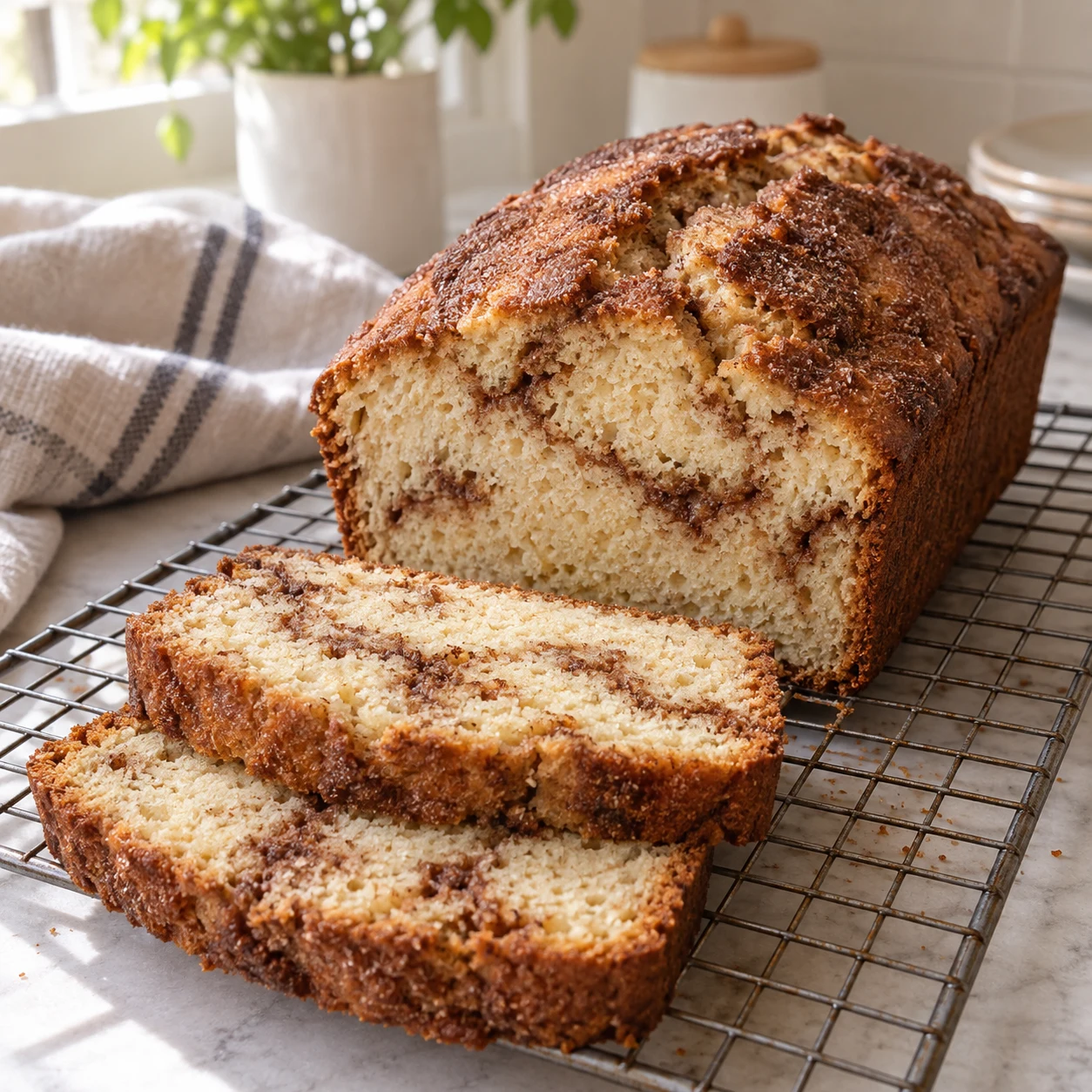
Leavening agents generate gas—primarily carbon dioxide—that becomes trapped in dough or batter. As the gas expands during baking, it creates air pockets, contributing to volume, softness, and texture in the final baked product.
Leavening falls into three main categories:
- Chemical Leavening: Involves baking soda and baking powder, which produce carbon dioxide through chemical reactions.
- Biological Leavening: Uses yeast, a living organism that ferments sugars and releases carbon dioxide and alcohol, enhancing flavor and texture over longer proofing times.
- Mechanical Leavening: Incorporates air or steam mechanically by mixing methods or baking heat, contributing to dough expansion.
Baking powder vs baking soda: what is the difference?
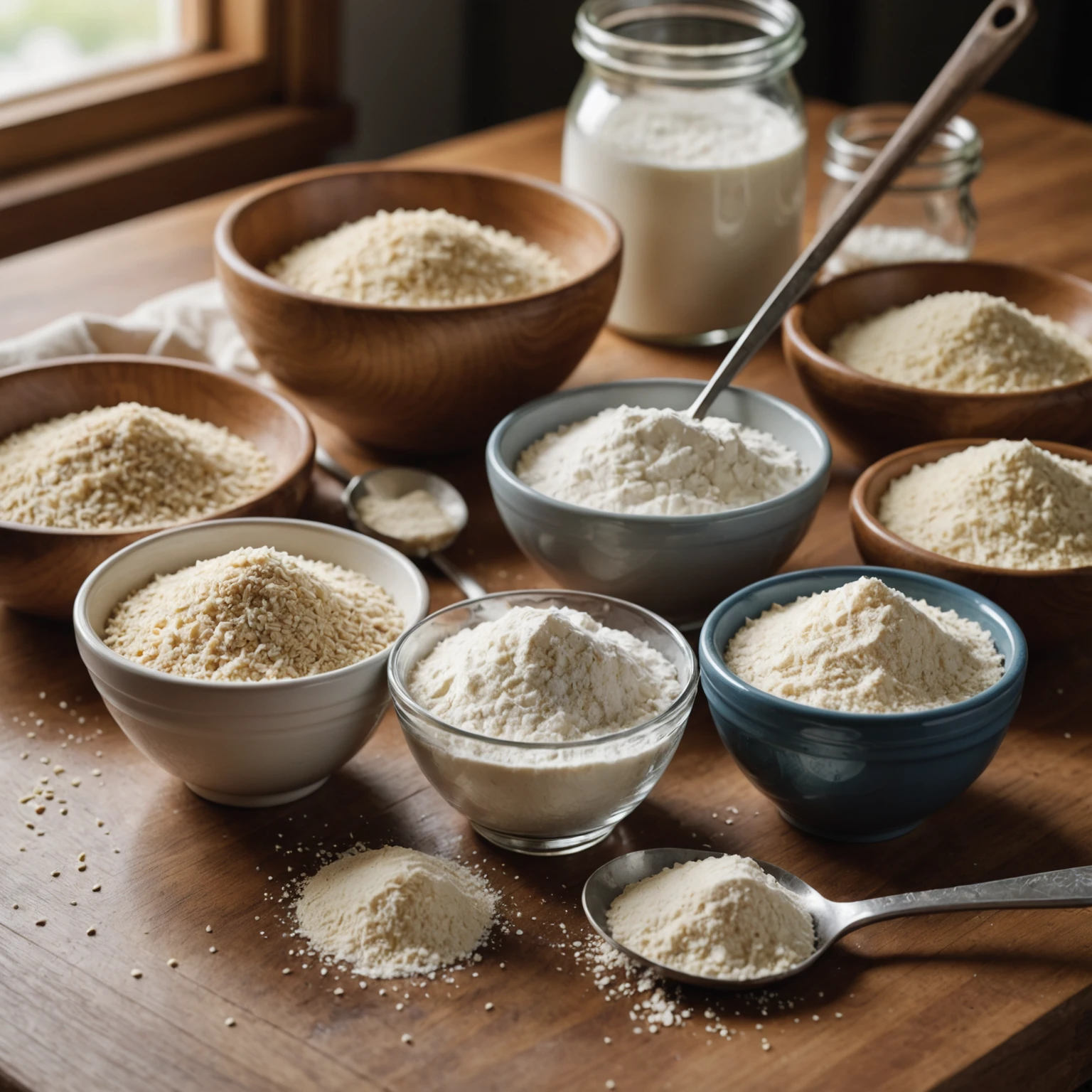
Baking soda (sodium bicarbonate) requires an acidic ingredient like buttermilk, yogurt, lemon juice, or vinegar to activate and release carbon dioxide gas quickly. Without acid, baking soda may leave a bitter, metallic taste and insufficient rise.

Baking powder combines baking soda with acidic compounds and moisture absorbers, enabling it to react twice—once when wet and again when exposed to heat (in double-acting formulations). Because it includes acid, baking powder is suited for recipes without naturally acidic components.
How Yeast Leavens Dough
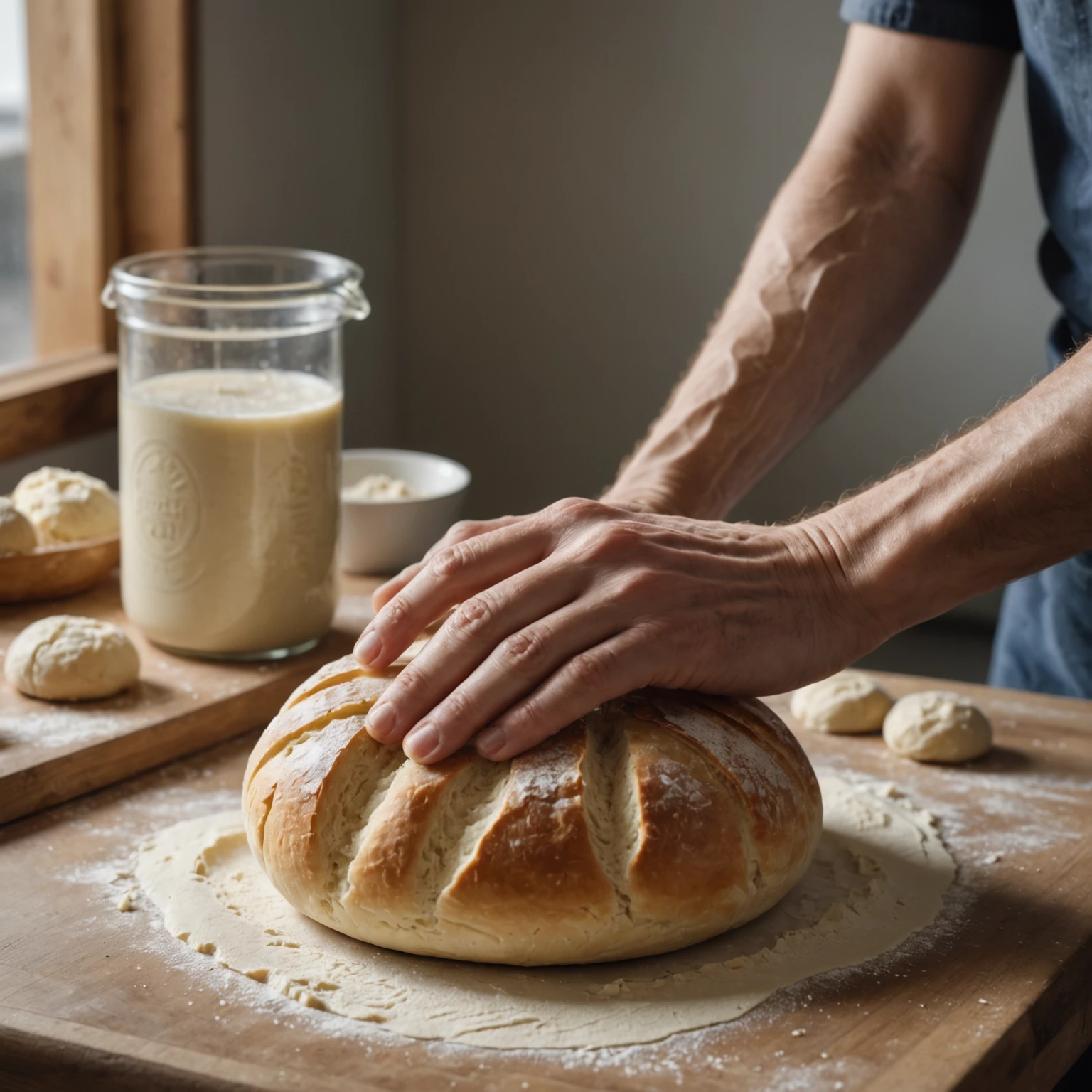
Yeast is a living fungus that consumes sugars and starches in the dough, producing carbon dioxide and alcohol through fermentation. This process requires warm liquids (around 95°F or 35°C) and time for proofing, resulting in light texture and complex flavors characteristic of yeast breads.
Practical Tips for Using Leavening Agents Effectively
- Measure Accurately: Use precise amounts to achieve optimal rising and flavor.
- Check Freshness: Test baking soda by mixing with vinegar to observe fizzing; baking powder can be tested with warm water for bubbling.
- Add Chemical Leaveners Just Before Baking: Delay reduces rising power, as reactions begin when wet ingredients combine.
- Control Temperature: Keep yeast in moderate warmth; avoid hot liquids that can kill yeast. Oven temperature affects chemical leavening reactions.
- Balance Acidity: Ensure acidic ingredients are sufficient when using baking soda to prevent off-flavors and improve leavening efficiency.
Leavening Agents in Action
For a yeast dough you knead and shape, try the soft pretzel bites with mustard. The recipe includes a rise before shaping and a separate baking-soda bath before baking.
For chemical leavening examples, compare buttermilk biscuits, which use baking powder and baking soda, with scones with clotted cream and jam, which use baking powder. Each recipe specifies its own liquid and leavener amounts.
Conclusion
A solid understanding of leavening agents empowers bakers to control texture, rise, and flavor in a wide array of baked goods. Recognizing the role of chemical, biological, and mechanical leavening helps transform doughs and batters into delicious creations with consistent quality. Next time you prepare a dough or batter, consider which leavening process is at play and how this science drives your baking success.
For a different yeast-dough method, follow the no-knead garlic herb focaccia. Read its resting, proofing and shaping steps before starting so you can plan the full batch.