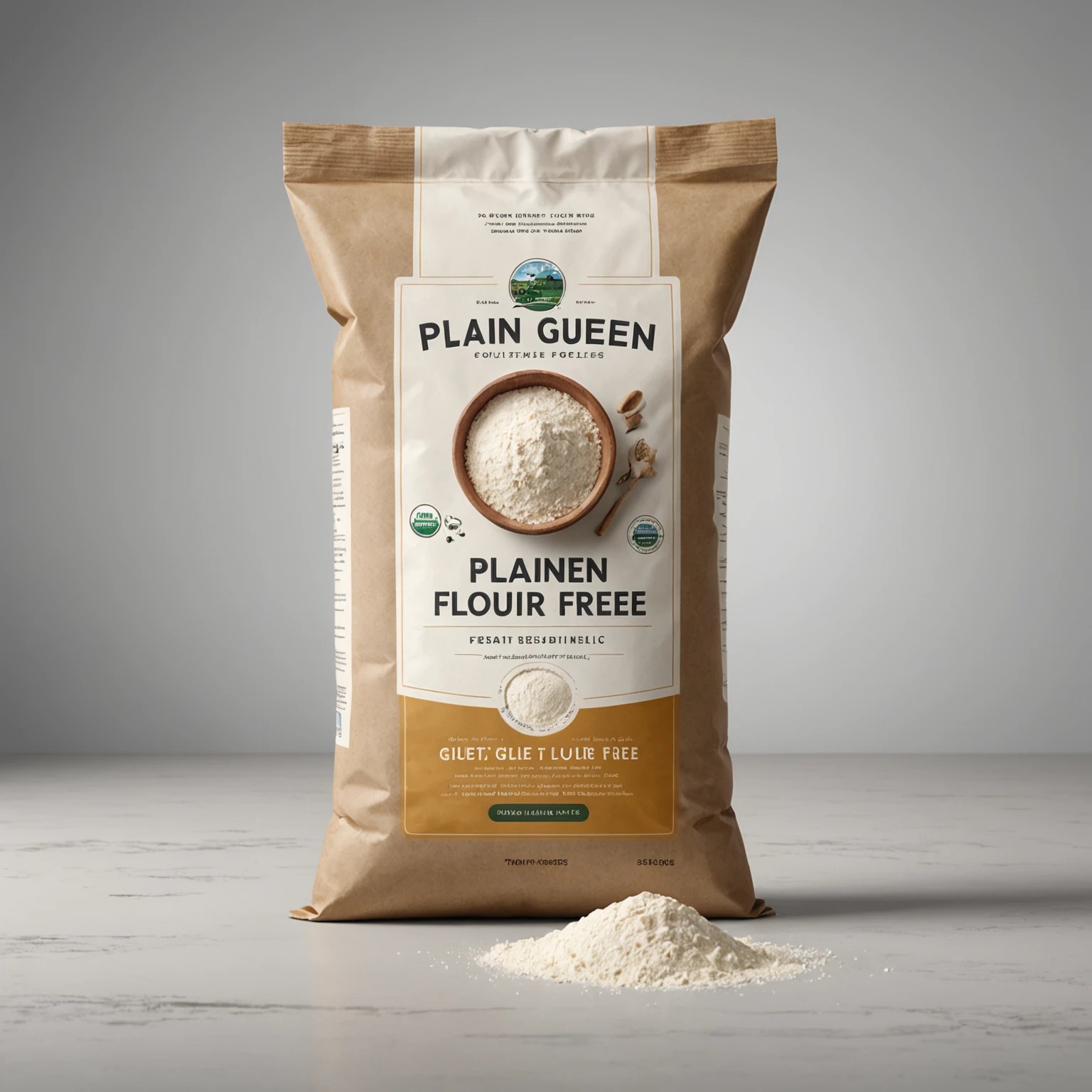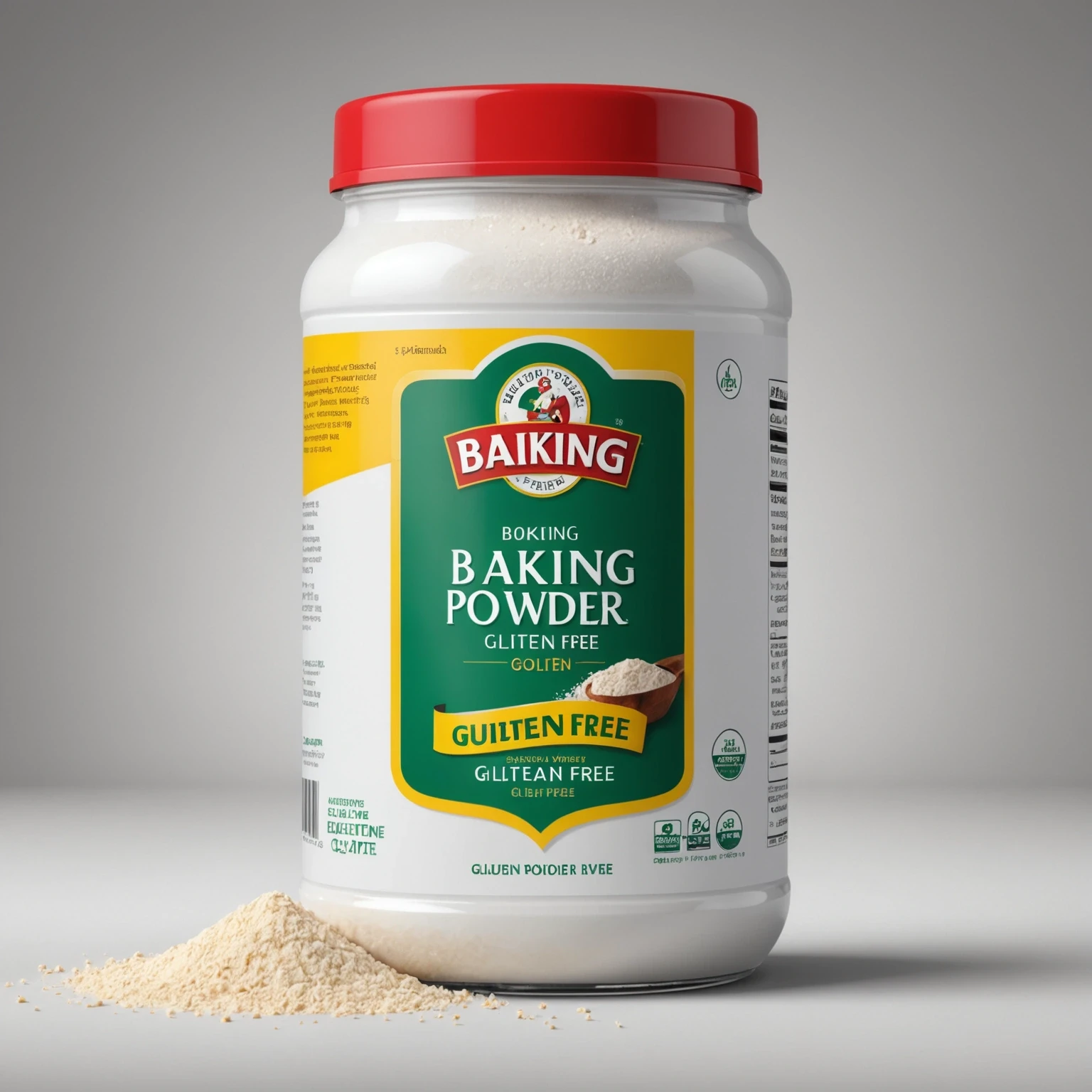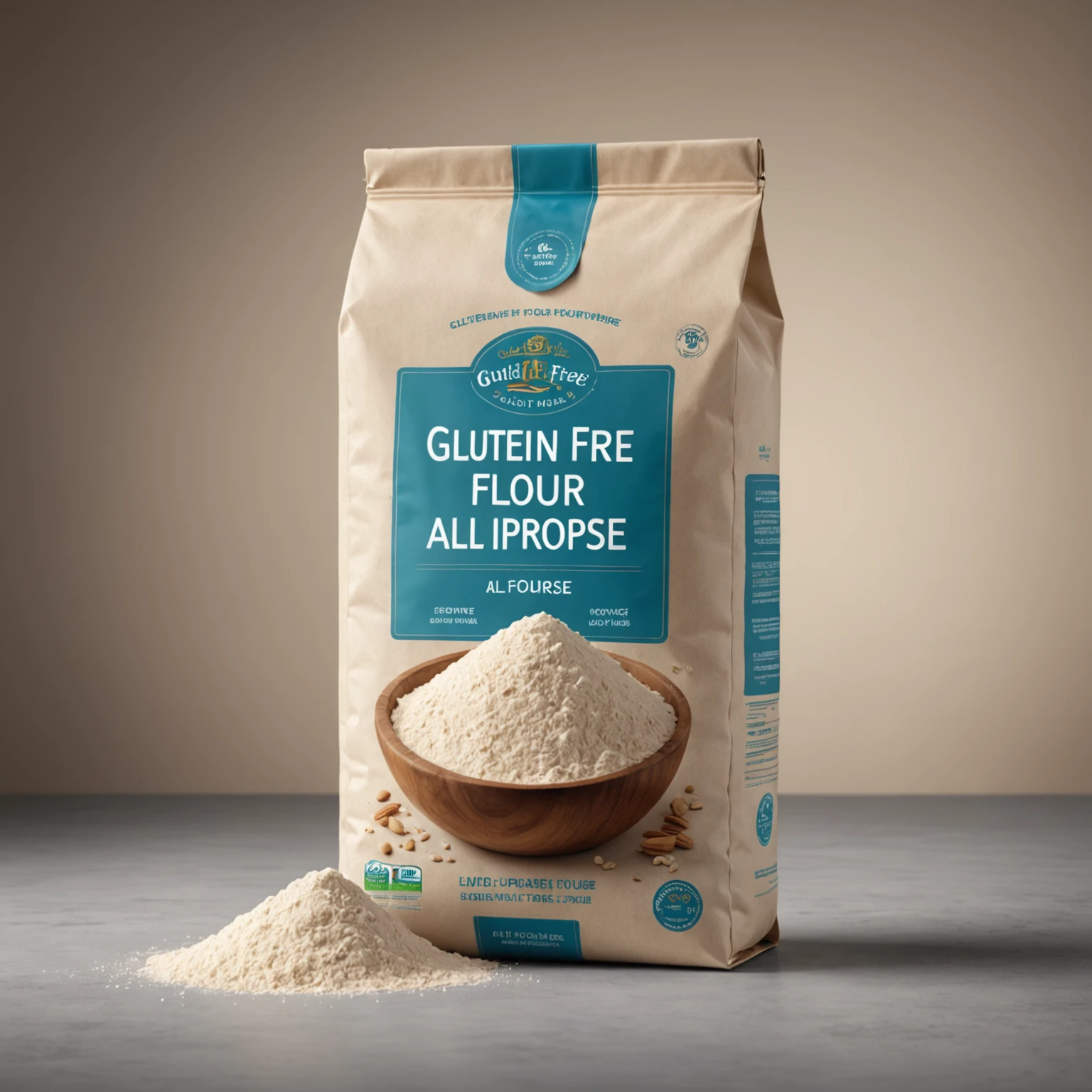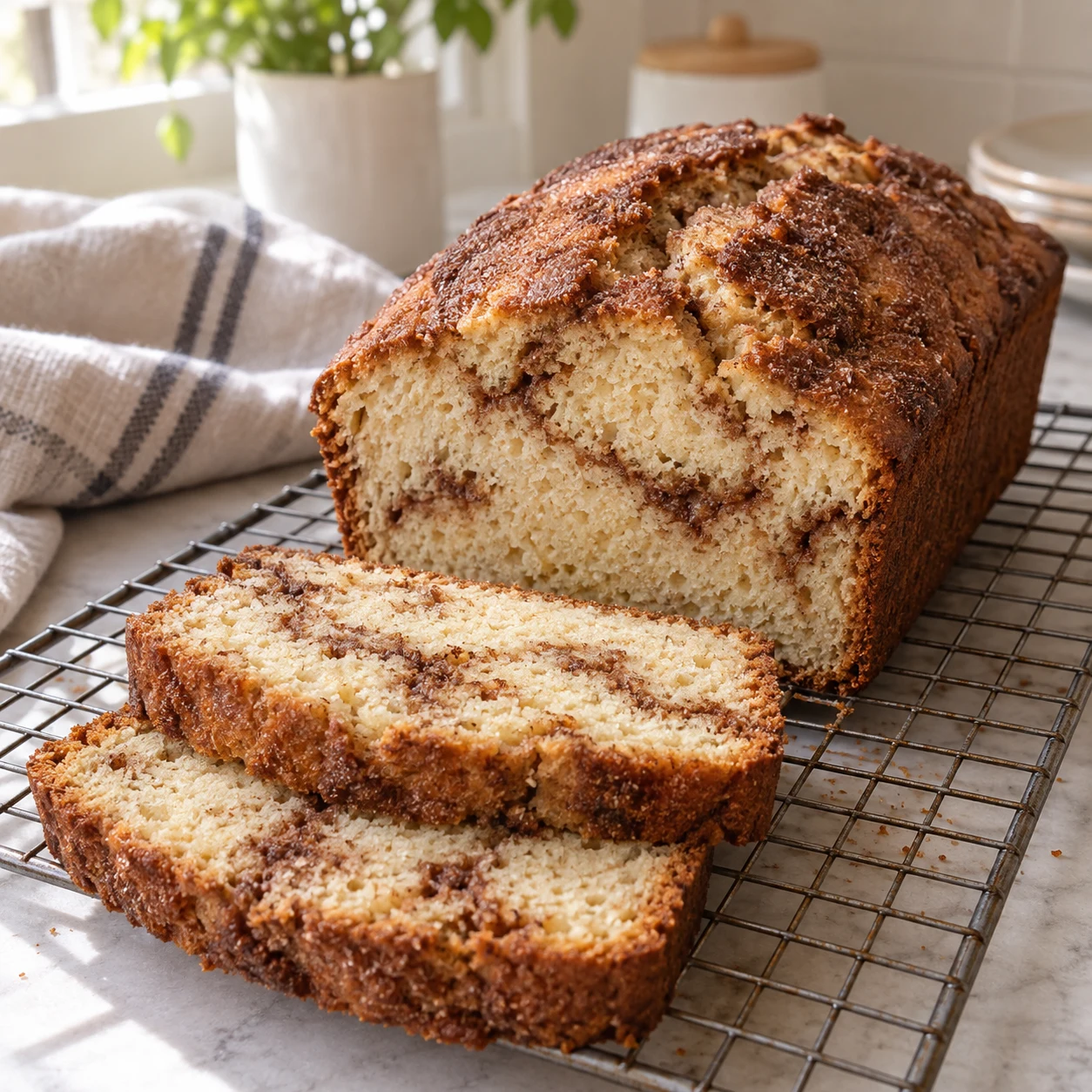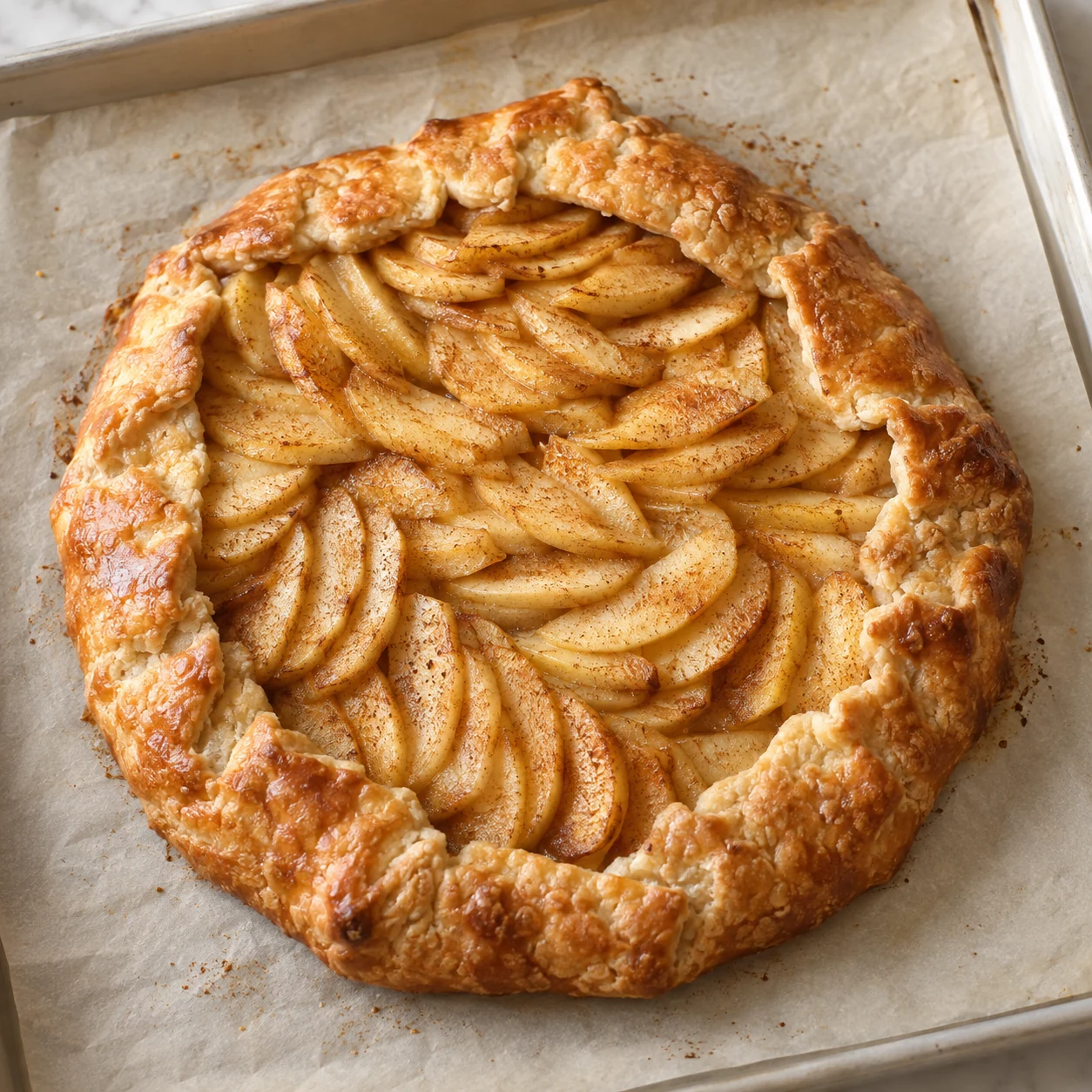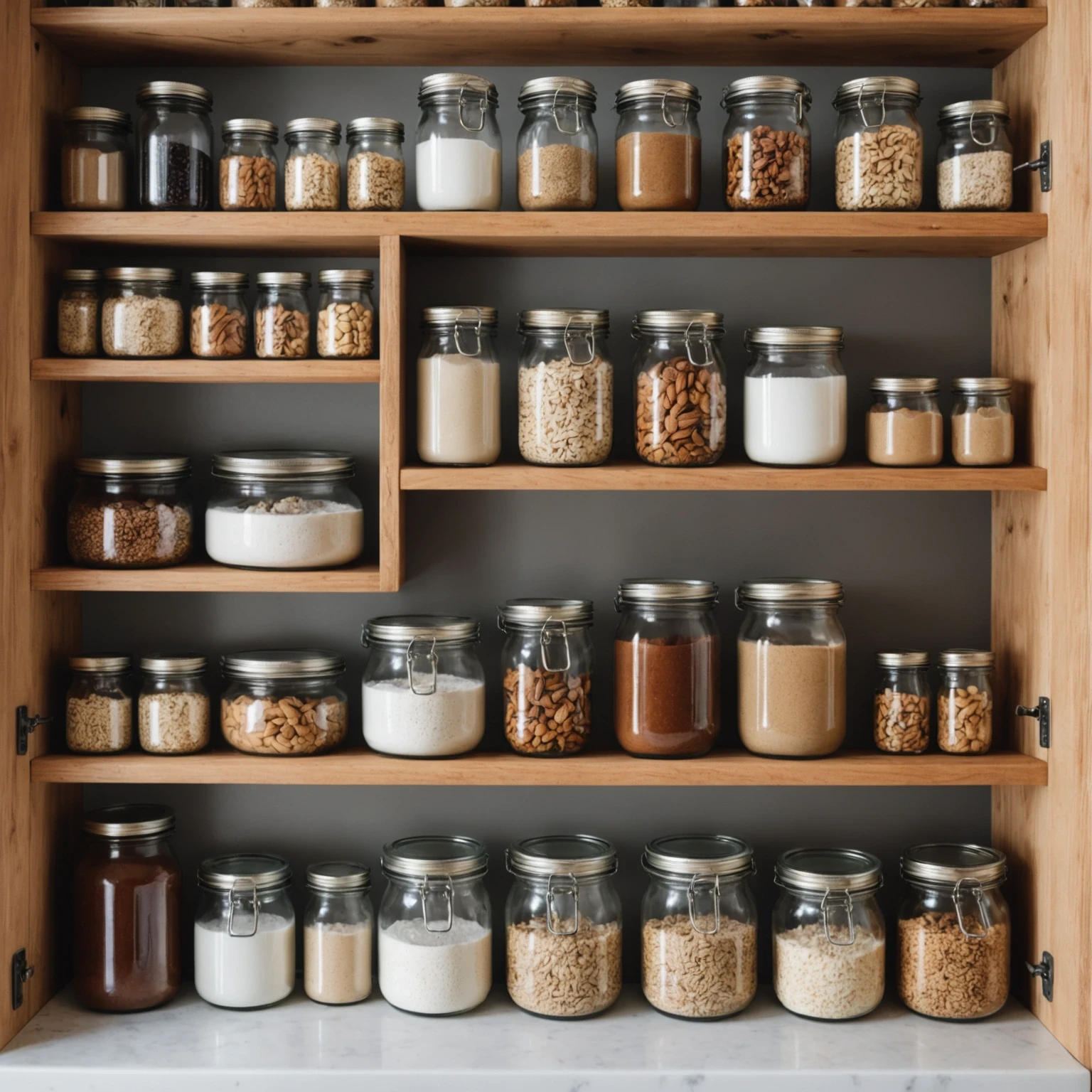
Start with one or two recipes you want to bake. Check your cupboards, fridge and freezer before shopping, then buy the missing ingredients in quantities you can use. You can add specialist ingredients as your recipe collection grows.
Essential ingredients to check
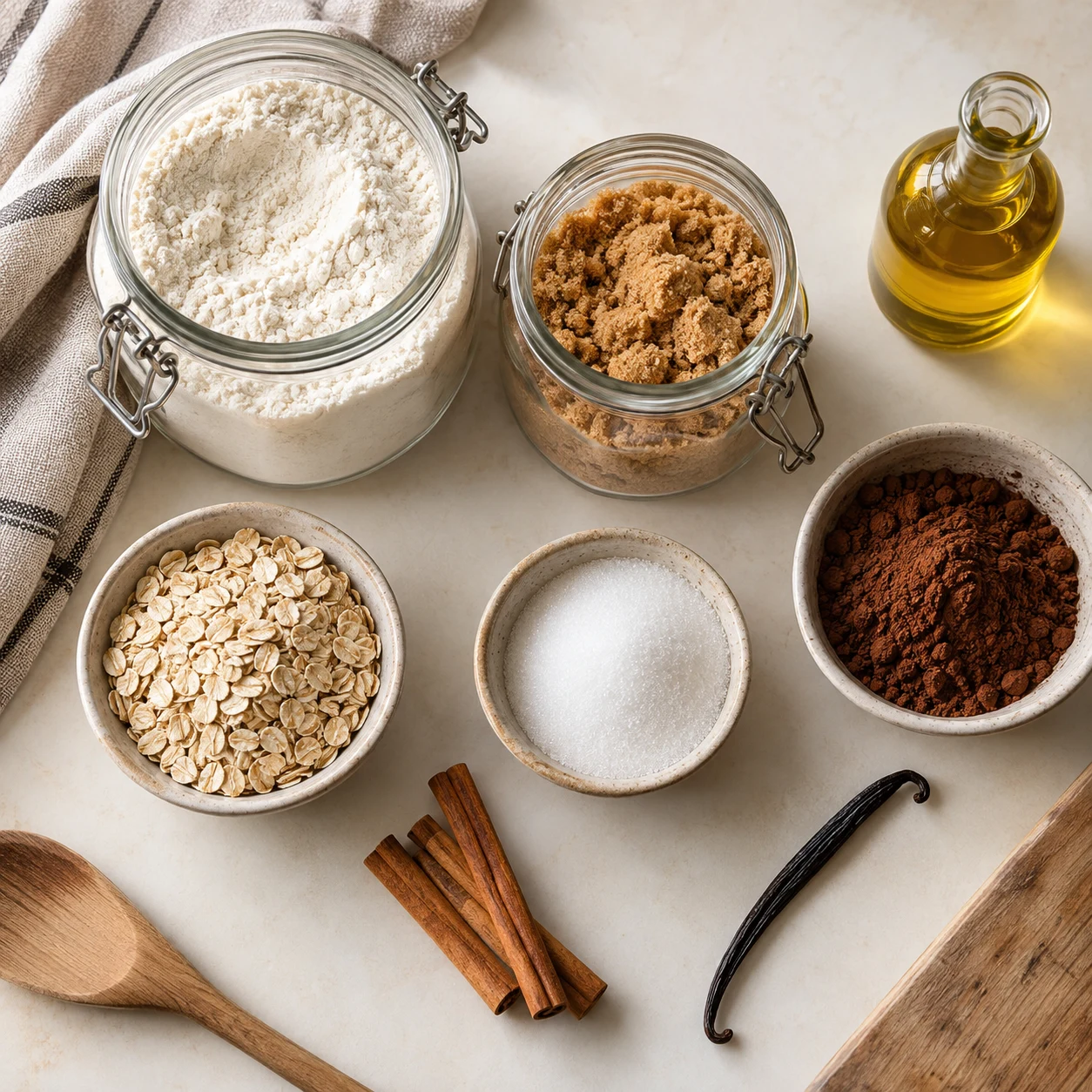
- Flour: Buy the type named in your recipe. Add whole-wheat flour or a gluten-free blend when a recipe requires it, rather than treating either as a direct replacement for another flour.
- Sweeteners: Keep the sugars or syrups your recipes use. Granulated sugar, brown sugar, honey and maple syrup are separate ingredients; follow a recipe's documented alternatives when making a change.
- Raising agents: Check whether the recipe needs baking powder, baking soda or both. Keep the original product information and follow the labelled storage directions.
- Fats: Stock butter, oil or dairy-free baking spread according to your recipes. Coconut oil and vegan margarine are options for recipes designed to use them, rather than universal substitutes.
- Eggs, milk and alternatives: Buy what the recipe specifies. For an egg-free or dairy-free bake, choose a suitable recipe or its documented alternative; plant-based milks and flaxseed mixtures do not have the same role in every recipe.
- Flavourings: Start with the salt, vanilla, cocoa or spices your chosen recipes require. There is no need to buy a full spice collection at once.
Storage and freshness
Follow the package's storage instructions, including refrigeration or storage after opening. A pantry list includes ingredients kept in the fridge or freezer as well as in cupboards.
- Keep dry ingredients in clean, tightly closed containers in a suitable cool, dry place.
- If transferring ingredients, retain the product name, date information, allergen information and preparation directions.
- Write the opening date on items you use slowly and use older stock first.
- Keep ingredients away from heat and direct sunlight where the label directs. Follow product-specific guidance for freezing and thawing instead of assuming every ingredient stores the same way.
Check before making substitutions
Choose a recipe written for the ingredients you plan to use, or follow a substitution specifically documented for that recipe. Changing flour, eggs, sweeteners or fats can change the result; there is no single set of swaps that works for every bake.
- Flour: Use the flour type or blend specified in the recipe. Do not assume whole-wheat flour, oat flour and gluten-free blends are interchangeable. Check the manufacturer's directions for any replacement blend. King Arthur Baking explains how its gluten-free flour types differ.
- Eggs: If you need an egg-free bake, choose an egg-free recipe or use its documented replacement. Do not assume banana, applesauce and flaxseed mixtures will give the same result.
- Sweeteners: Use the sweetener listed unless the recipe provides an alternative. Avoid guessing changes to the liquid quantities or oven temperature.
- Dairy and fats: Follow the recipe's guidance for plant-based milk, dairy-free baking spread or oil. Check the product ingredients when baking for a dietary requirement.
Organize around the way you bake
Group similar dry ingredients together and keep the items you use most within easy reach. Make a short shopping list as supplies run low, and check it against your next recipe before buying more. Keep measuring tools nearby so you can set out ingredients before mixing.
Choose your next recipe
Read the full ingredient list and method before deciding what to buy. These recipes can help you build a shopping list around a particular bake: