Flavor & Ingredient Tips
Beginnerbakes
One-Bowl No-Knead Rye Bread with Caraway Seeds – Easy Beginner Bread Recipe
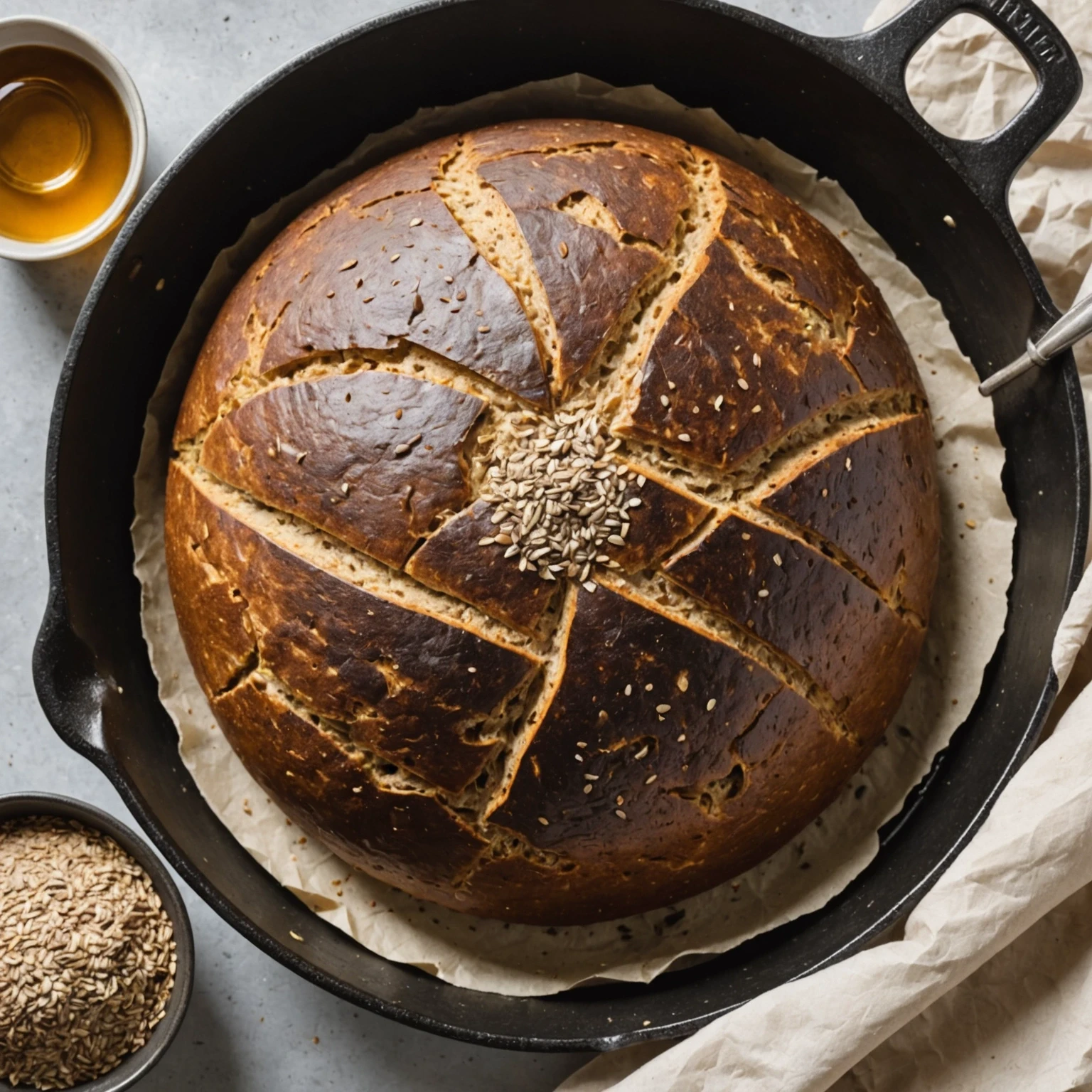
This easy one-bowl no-knead rye bread recipe uses simple ingredients and minimal effort to create a dense, aromatic loaf with caraway seeds. No kneading required; just mix, let rise, and bake a flavorful savory bread perfect for beginners, snacks, or party platters.
Ingredients
- 2 cups (240g) rye flour
- 1 cup (120g) bread flour or all-purpose flour
- 1 1/2 teaspoons active dry yeast
- 1 1/2 teaspoons salt
- 1 tablespoon caraway seeds, plus extra for sprinkling
- 1 1/2 cups (360ml) warm water (about 100°F / 38°C)
- 1 tablespoon molasses or honey (optional, for subtle sweetness)
- Cornmeal or flour for dusting the baking surface
Instructions
-
In a large mixing bowl, combine the rye flour, bread flour, active dry yeast, salt, and 1 tablespoon caraway seeds. Stir to evenly distribute all dry ingredients.
-
Add the warm water and molasses or honey (if using) to the dry ingredients.
-
Mix thoroughly with a wooden spoon or spatula until a sticky, shaggy dough forms. The dough will be wet and sticky—do not add extra flour.
-
Cover the bowl tightly with plastic wrap or a clean kitchen towel. Let the dough rise at room temperature (around 70°F / 21°C) for 4 to 5 hours, until it nearly doubles in size and surface bubbles appear.
-
Dust your work surface generously with flour or cornmeal.
-
Gently scrape the dough onto the dusted surface using a spatula or floured hands. Fold the dough once or twice to form a rough round loaf, avoiding kneading.
-
Transfer the dough on parchment paper and sprinkle the top lightly with additional caraway seeds.
-
Preheat your oven to 450°F (230°C). Place a heavy oven-safe pot or Dutch oven with its lid inside the oven to heat for about 30 minutes.
-
Carefully remove the hot pot from the oven. Lift the parchment paper with the dough and place it inside the pot. Cover with the lid and return to the oven.
-
Bake covered for 30 minutes, then remove the lid and bake uncovered for 15 more minutes until the bread is golden brown and sounds hollow when tapped on the bottom.
-
Remove the bread from the pot and transfer to a wire cooling rack. Cool completely before slicing to set the crumb.
-
Slice and serve your homemade rye bread with butter, cheese, or favorite spreads.
Frequently Asked Questions
Reader questions and answers for this recipe will appear here.
Adapt this easy no-knead rye bread recipe to suit various dietary needs with these ingredient substitutions:
- Rye Flour: Use whole wheat or spelt flour for a similar texture and nutty flavor if rye is unavailable.
- Bread Flour or All-Purpose Flour: Swap with whole wheat flour for extra fiber or gluten-free all-purpose blend for gluten-free baking (adjust rising time accordingly).
- Active Dry Yeast: Instant yeast can replace active dry yeast using the same quantity, mixed directly with flour without proofing.
- Caraway Seeds: Substitute fennel seeds or omit for a plainer flavor.
- Molasses or Honey: Maple syrup or agave nectar provide vegan-friendly sweetener options; omit for fully savory bread.
- Warm Water: Use plain water to support yeast activity; avoid dairy or fats to keep the no-knead method simple.
These substitutions maintain the bread’s rustic charm while accommodating gluten-free, vegan, and minimal-ingredient preferences, ideal for comforting and party-friendly bread.
Equipment Needed
For this beginner-friendly no-knead rye bread recipe, you'll need only basic baking equipment, perfect for new bakers and simple kitchen setups:
- Large Mixing Bowl: To mix flours, yeast, salt, and caraway seeds and allow the dough to rise without spilling.
- Wooden Spoon or Spatula: Ideal for mixing the sticky, wet dough evenly without it sticking excessively.
- Plastic Wrap or Kitchen Towel: Covers the dough while rising, keeping moisture and warmth in.
- Measuring Cups and Spoons: Ensures precise measurement for consistent baking results.
- Flour or Cornmeal: Used to dust the surface to prevent dough sticking during shaping.
- Parchment Paper: For safely transferring dough into the hot oven pot and preventing sticking.
- Heavy Oven-Safe Pot or Dutch Oven with Lid: Essential to trap steam during baking for a perfect crust and oven spring.
- Oven Mitts: Needed for safe handling of hot bakeware.
- Wire Cooling Rack: Allows the bread to cool evenly, preventing soggy crusts and ensuring the crumb sets well.
With these simple tools, baking your own delicious rye bread with no kneading is easy and enjoyable!
Ingredient Prep Notes
Rye Flour: For accurate measuring, spoon into your measuring cup and level it. Rye flour packs differently so this helps consistent results. Substitute with whole wheat if rye is unavailable, though texture and flavor will vary.
Bread Flour or All-Purpose Flour: Bread flour yields better gluten structure supporting rye, but all-purpose works well for this beginner recipe. For gluten-free, use a gluten-free bread flour blend plus binding agents like xanthan gum.
Active Dry Yeast: Proof in warm water (100°F / 38°C) if unsure of freshness. Instant yeast can be used directly but still needs warm water activation.
Caraway Seeds: Traditional rye bread flavor. If unavailable, fennel or anise seeds make good alternatives or omit them for a milder taste.
Warm Water: Use about 100°F (38°C) water to activate yeast effectively—too hot or cold water can inhibit fermentation.
Molasses or Honey (Optional): Adds subtle sweetness and helps yeast fermentation. Maple syrup is a great vegan substitute. Leaving it out results in a fully savory bread.
Cornmeal or Flour for Dusting: Prevents dough sticking on work surfaces and baking vessels. Cornmeal adds a pleasant rustic crust texture.
This recipe’s no-knead method means minimal prep and cleanup, relying on a long rise to develop delicious flavor and chewy texture, perfect for bread beginners.
Oven Note
Successfully baking this no-knead rye bread depends on mastering your oven. Here are beginner-friendly oven tips for the best results:
- Preheat Oven and Pot Thoroughly: Heat the oven and heavy pot or Dutch oven to 450°F (230°C), ensuring even baking and crust development.
- Use a Heavy Oven-Safe Pot with Lid: Traps steam inside creating an ideal environment for oven spring and crispy crust.
- Handle with Care: Use parchment paper for safe dough transfer into the hot pot. Always use oven mitts to protect hands from burns.
- Rack Placement: Place pot centrally on the middle oven rack for even heat distribution and to prevent burning.
- Minimize Oven Door Openings: Open the door only when instructed to remove the lid; extra openings cause heat loss and affect crust and rise.
- Use Oven Thermometer: Oven temperatures vary; confirm with a thermometer and adjust time or temperature as needed for consistent baking.
- Cooling: Let bread cool completely on a wire rack before slicing to maintain texture and avoid gummy crumbs.
Follow these tips to bake beautiful, rustic rye bread confidently every time.
Easy Upgrade Ideas
Elevate your one-bowl no-knead rye bread with these simple, beginner-friendly upgrades:
- Herb Infusion: Add 1 teaspoon dried herbs such as thyme, rosemary, or Italian seasoning to dry ingredients for extra aroma and flavor.
- Seed Topping: Enhance crunch and visual appeal by sprinkling sesame, sunflower, or flax seeds alongside caraway on top before baking.
- Sweet & Savory Mix: Fold in 1/4 cup raisins or chopped dried cranberries for subtle sweetness that contrasts nicely with savory rye.
- Cheese Addition: Incorporate 1/2 cup grated cheddar or Parmesan (or vegan cheese) into the dough for a melty, savory bite.
- Gluten-Free Variation: Replace half the rye flour with a gluten-free bread flour blend and add 1 teaspoon xanthan gum to improve texture.
- Whole-Grain Boost: Mix in 1/4 cup whole wheat or spelt flour for added fiber and hearty flavor.
- Warm Spice: Add a pinch of ground caraway or anise seeds for cozy spice notes perfect in colder months.
- Molasses Swap: Substitute molasses with maple syrup or agave nectar for a gentle natural sweetness and vegan option.
- Finishing Touch: After baking, brush the crust with olive oil or melted vegan butter and sprinkle with flaky sea salt to enhance flavor and texture.
These straightforward variations keep baking easy while creating special breads to impress family and friends.
Related Articles
Read related air fryer guides and cooking tips.
More Recipes
Explore more recipes you may like.
Reviews
Rate this recipe and share a photo of your result.
No reviews yet.
Save this recipe
Log in to keep this recipe in your favorites.
Reset password Register