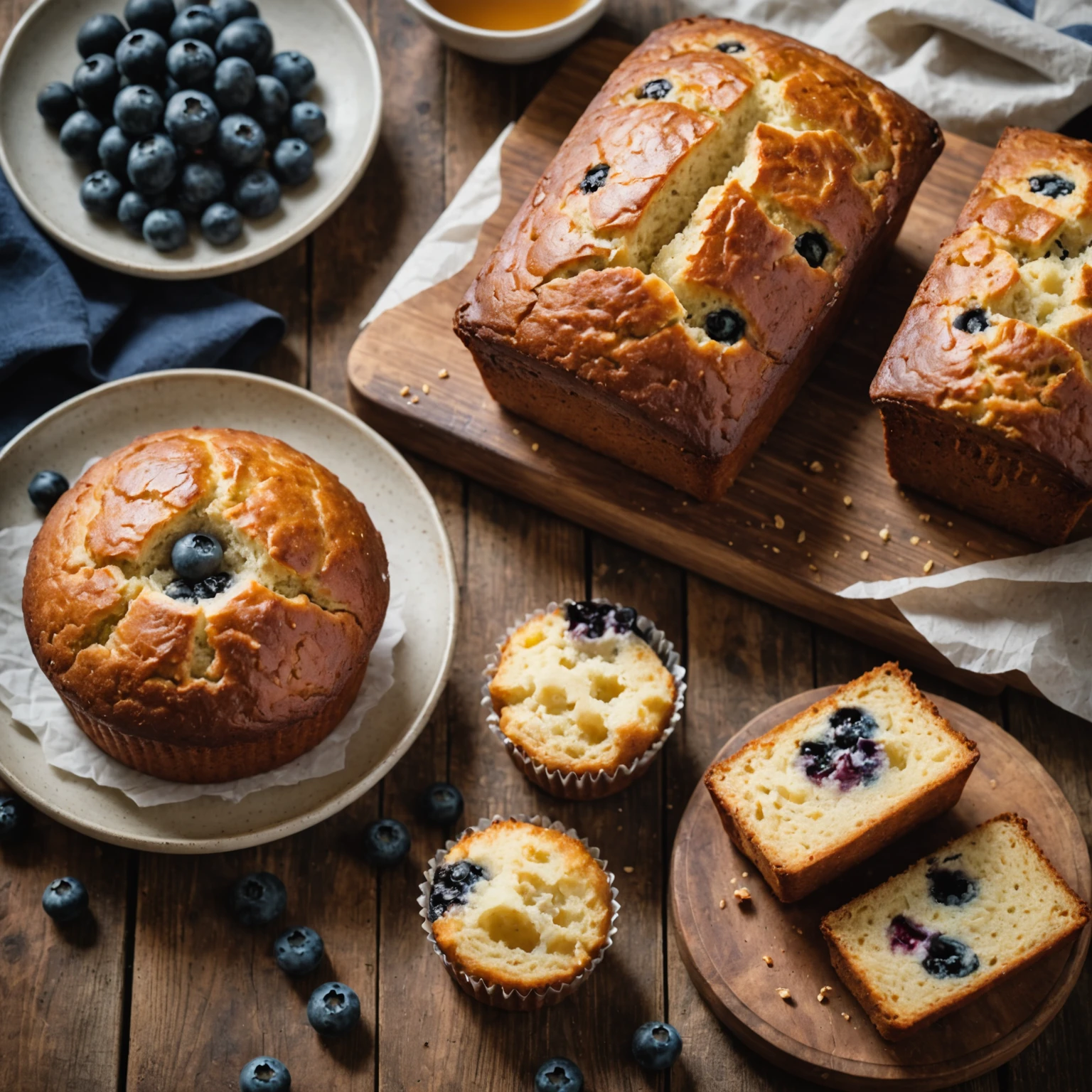
Quick breads and muffins are cherished for their simplicity and comforting texture. Understanding the science behind what makes them moist and fluffy can elevate your baking, enabling you to create tender, light baked goods consistently.
Understanding Key Ingredient Functions
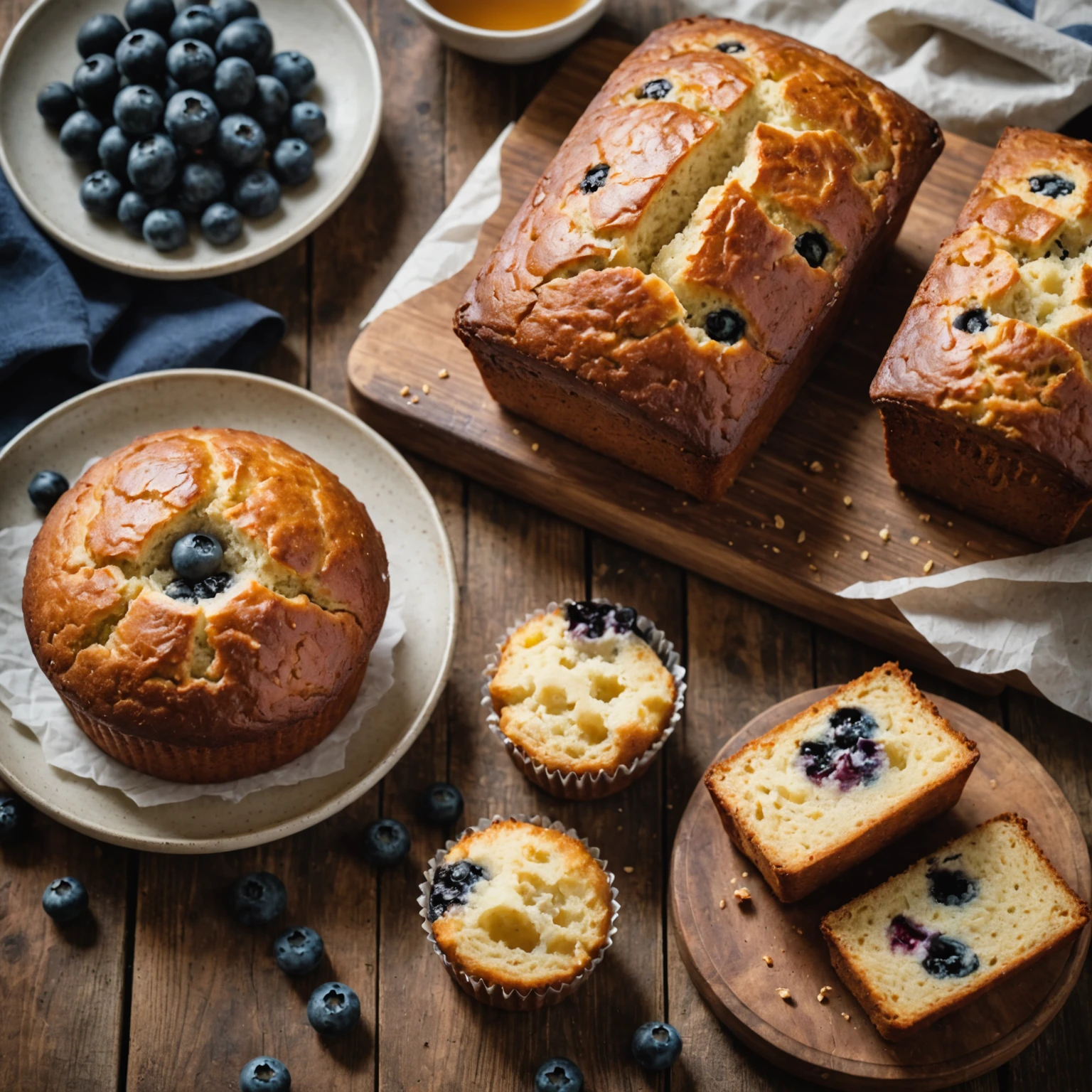
- Flour: Provides the structure through gluten proteins. In quick breads, gluten development is limited to maintain a tender crumb, unlike chewy yeast breads.
- Leavening Agents: Baking powder and baking soda produce carbon dioxide bubbles when combined with moisture and acids, causing the batter to rise and create an airy texture.
- Fats: Ingredients such as butter, oil, or yogurt coat flour proteins to restrict gluten formation and help retain moisture, resulting in a softer crumb.
- Sugars: Besides adding sweetness, sugars attract and hold moisture, helping quick breads stay moist longer.
- Liquids: Milk, buttermilk, juice, or water hydrate flour and activate leavening, contributing to the bread’s rise and texture.
Why can muffins turn out dense or tough?
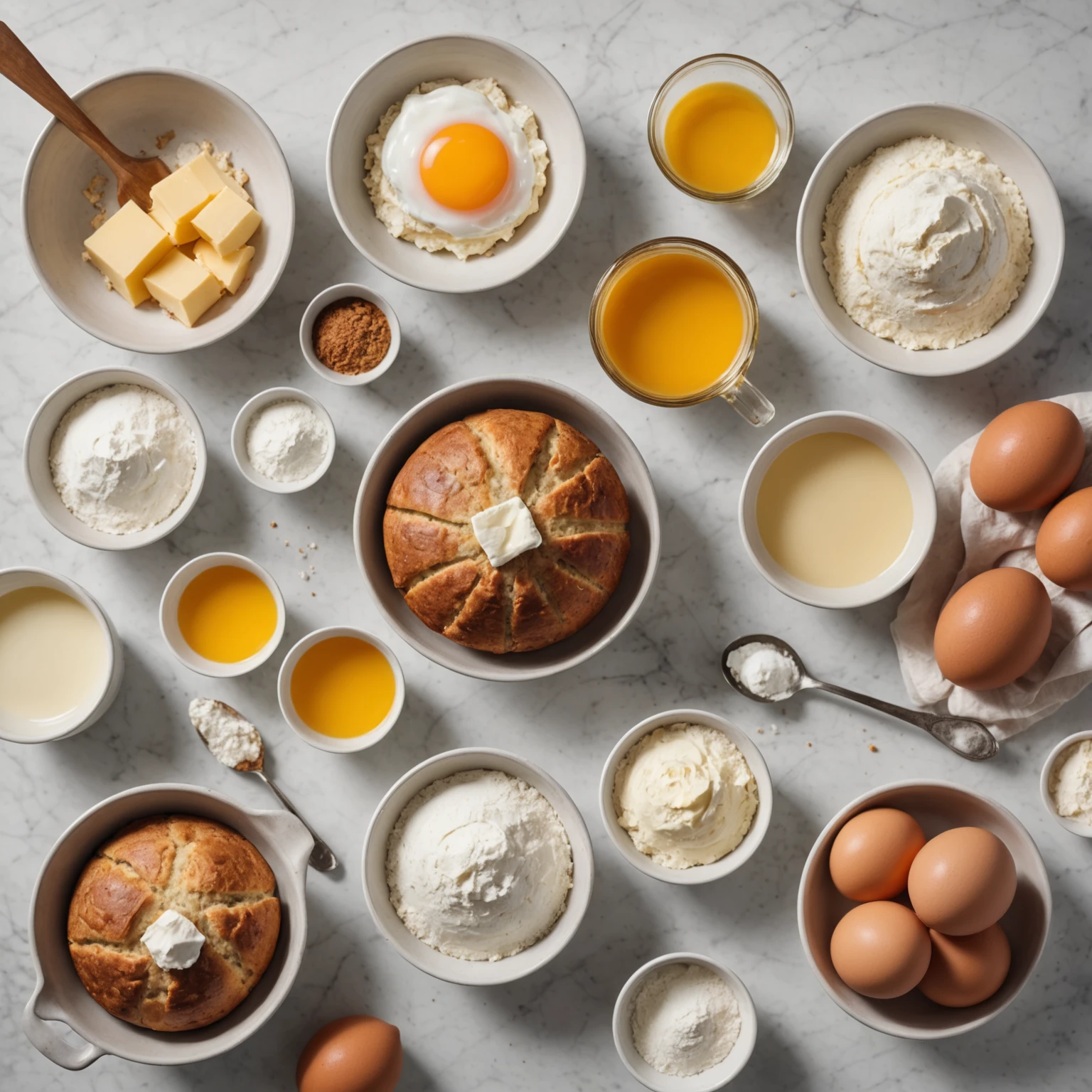
Overmixing quick bread batter is a common cause of dense, tough results. Mixing just until the dry ingredients are moistened preserves delicate gluten strands and traps carbon dioxide bubbles, essential for fluffiness. Gentle folding and minimal stirring help maintain this structure.
Dry muffins or gummy centres: temperature and timing
Oven temperature influences how batter rises and sets. A hot oven encourages rapid gas expansion for lift, while protein coagulation stabilizes the structure. Baking just long enough avoids dryness; underbaking leads to gummy centers.
Real-World Examples
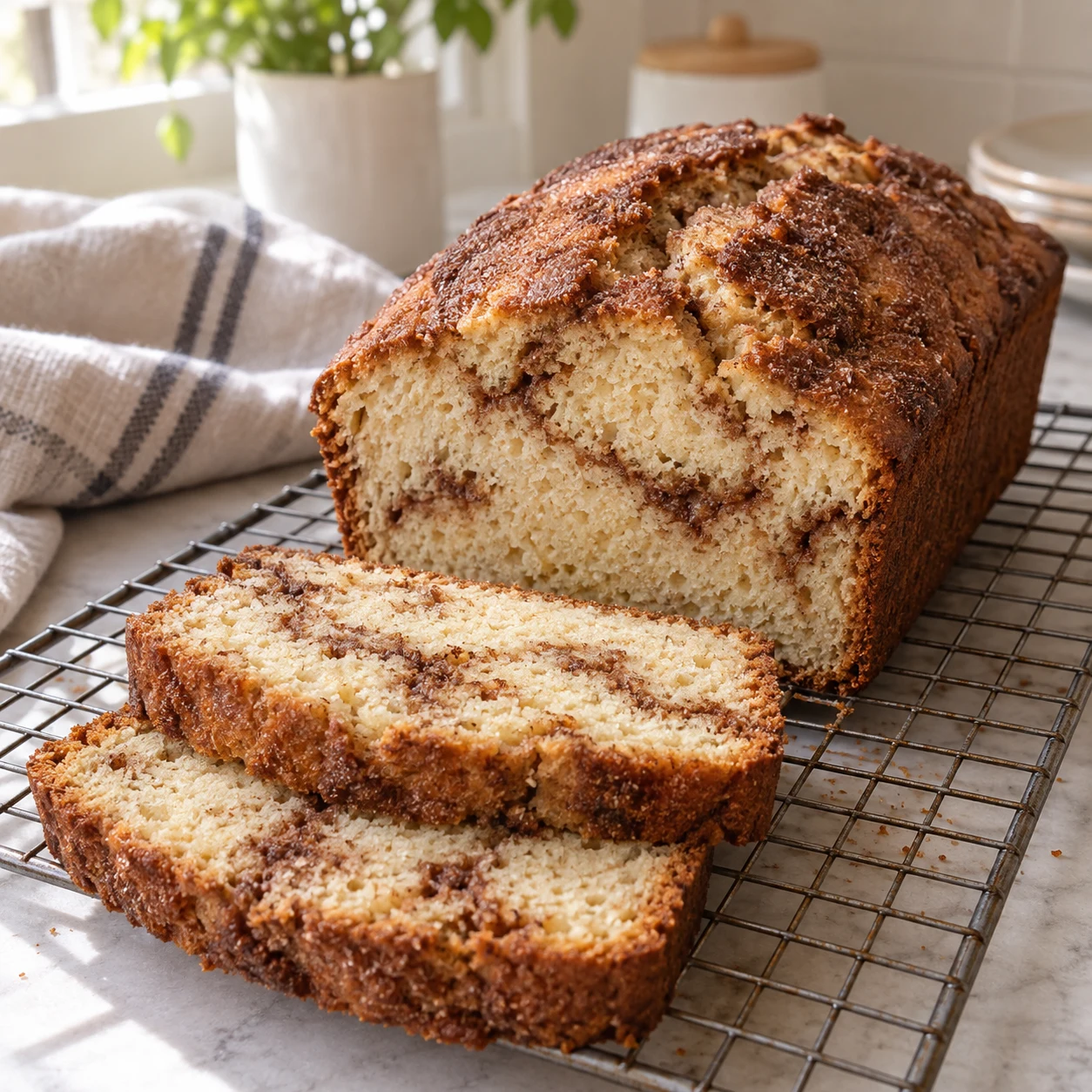
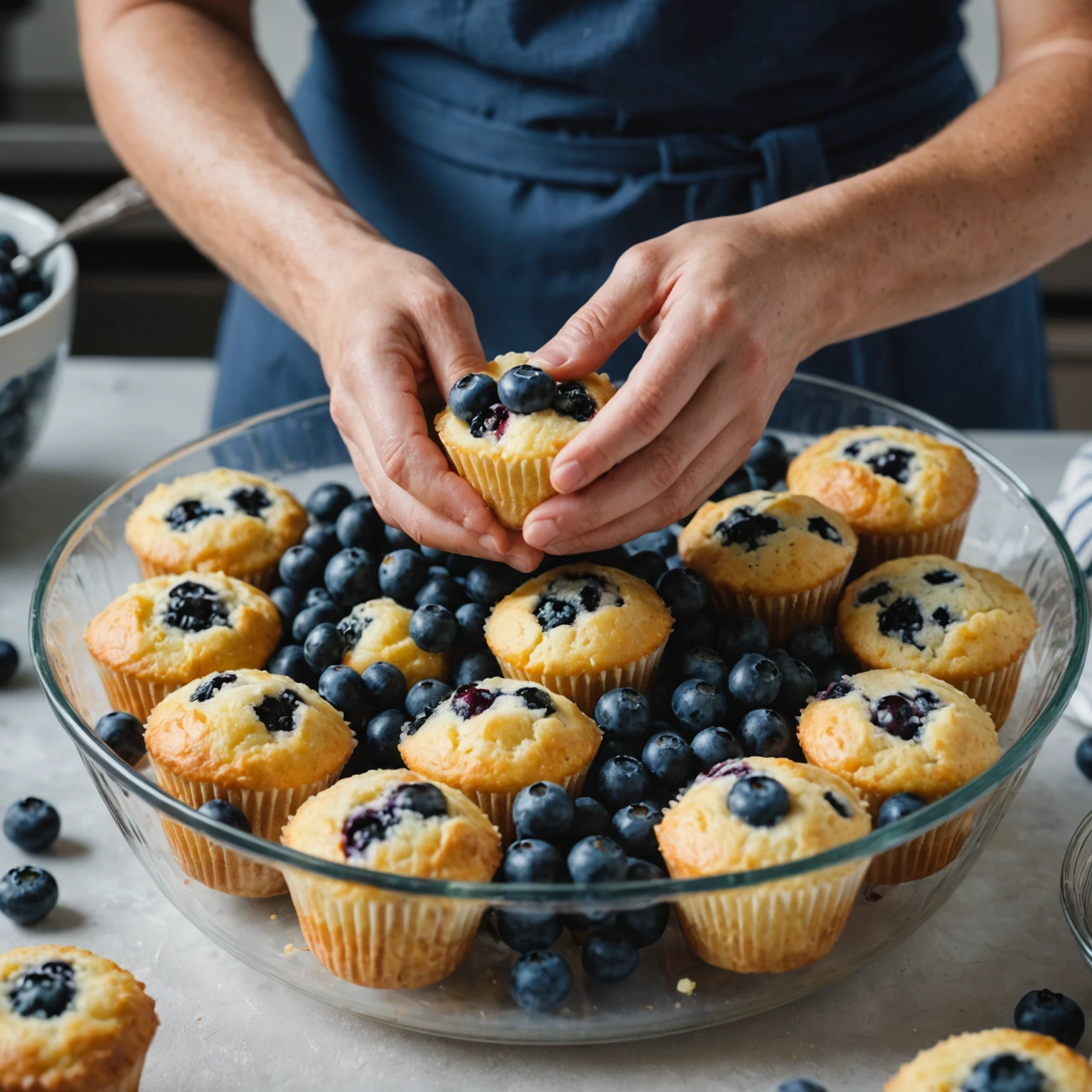
Explore the Classic Cinnamon Swirl Quick Bread Recipe - Easy & Moist for a perfect balance of oil and buttermilk, careful mixing, and baking times that result in a moist crumb. The Lemon Blueberry Muffins with Maple Glaze Recipe show how gentle folding and precise technique produce fluffy muffins.
Expert Tips for Optimal Moisture and Fluffiness
- Use room temperature dairy and eggs to improve emulsification and rise.
- Measure flour accurately by spooning and leveling to prevent dense batter.
- Incorporate mix-ins carefully to preserve air bubbles.
- Test doneness with a toothpick and remove from the oven promptly to avoid overbaking.
By grasping how ingredients interact, how mixing influences gluten and gas retention, and how oven conditions set your baked goods’ final texture, you’ll bake quick breads and muffins with confidence. This scientific insight not only improves your outcomes but also enhances your baking creativity and enjoyment.