Baking combines creativity with science—a craft that flourishes through patience, practice, and a strong foundation in fundamental techniques. For those new to baking, establishing solid basics is key to achieving consistent, delicious results and cultivating confidence in the kitchen.
Before you start, use our beginner baking tools guide to check your equipment and our baking pantry guide to plan your ingredients. Then work through the measuring, mixing and oven techniques below.
Accurate Measurement: The Key to Baking Success
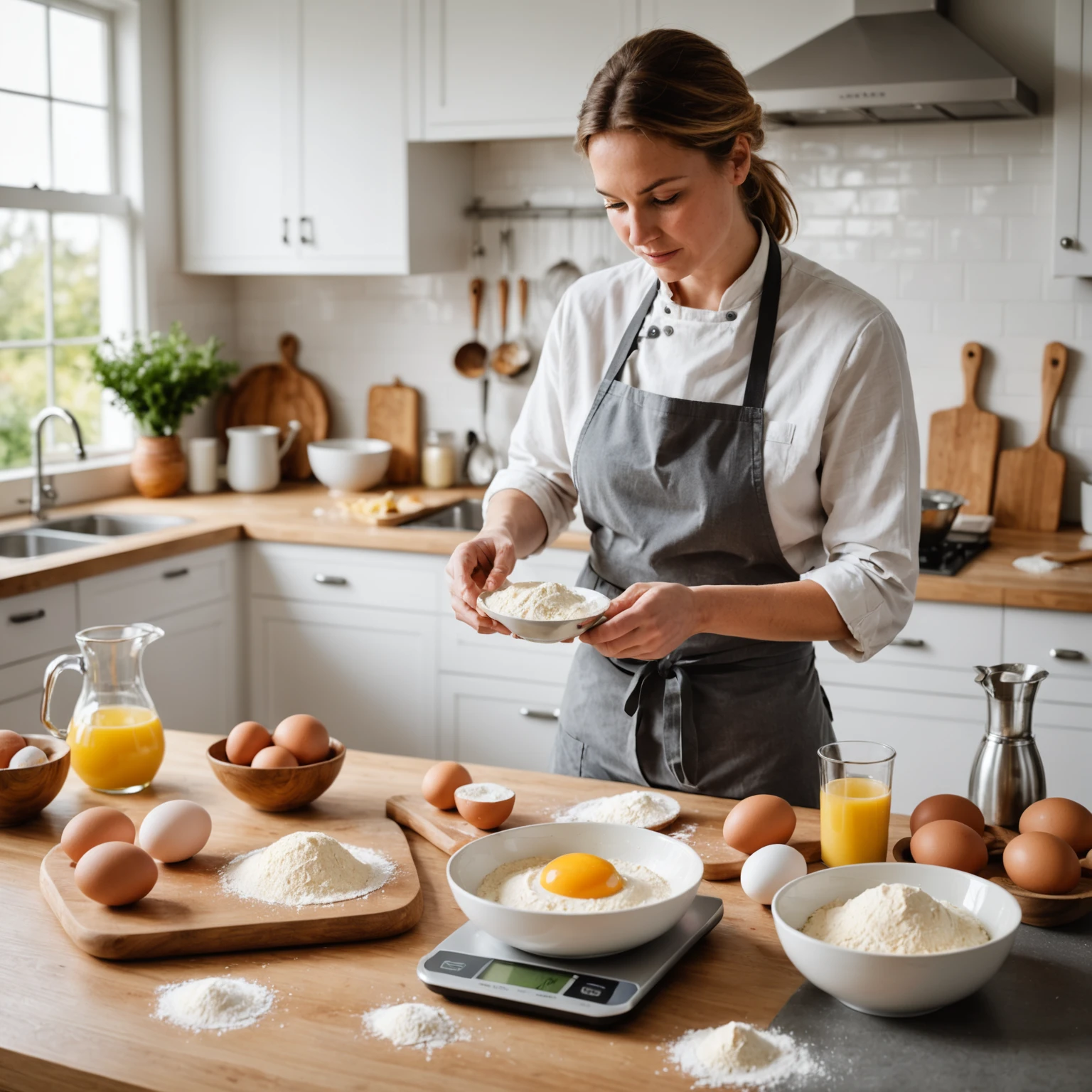
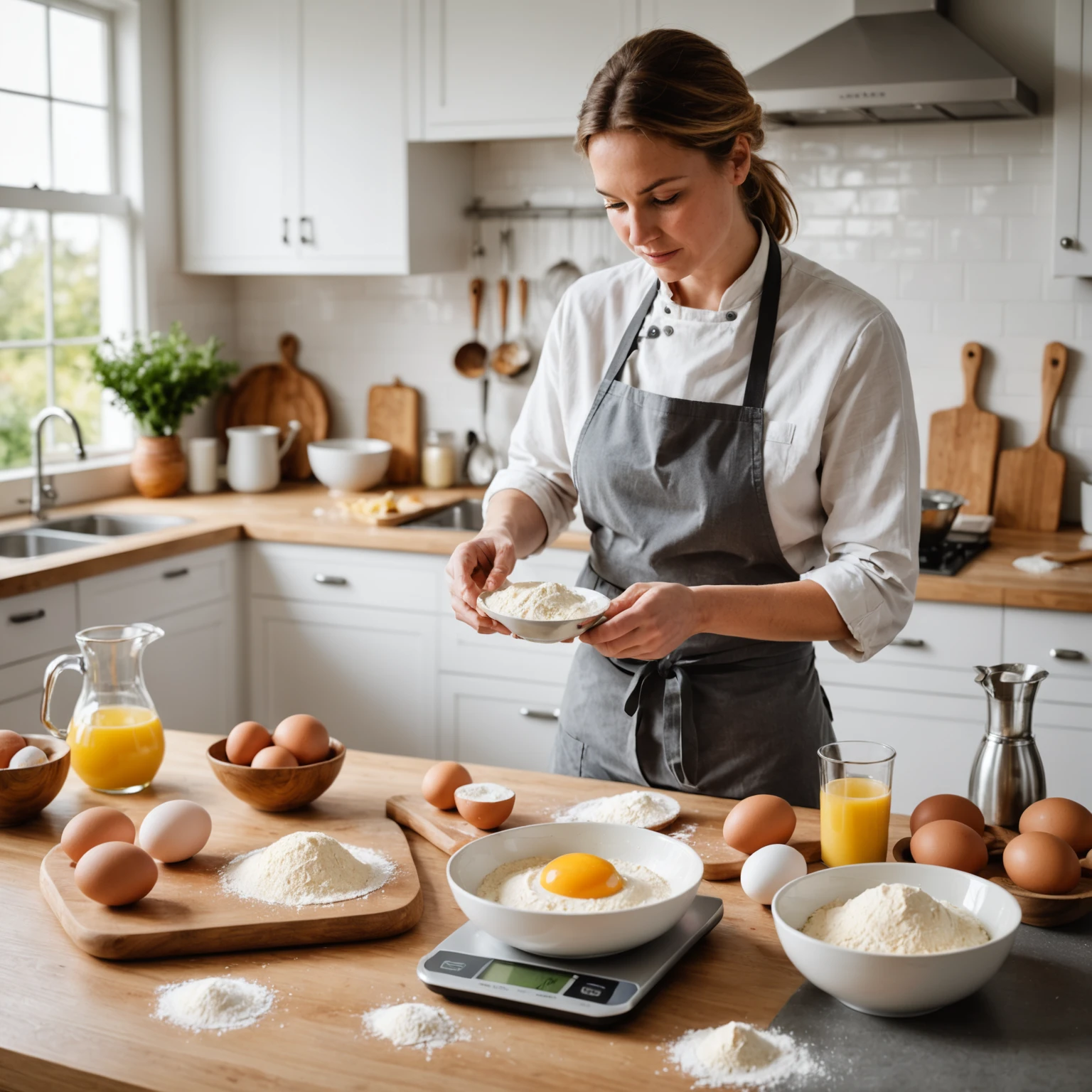
Precision in measuring ingredients is critical for baking, as it affects texture, structure, and flavor. Always use dry measuring cups specifically for flour, sugar, and other dry ingredients—scoop lightly and level off with a flat edge to avoid compacting, which can negatively affect density. For liquids, use transparent measuring cups with pouring spouts for accuracy and ease. Whenever possible, a kitchen scale offers the best precision, especially for small quantities of leavening agents like baking powder or salt.
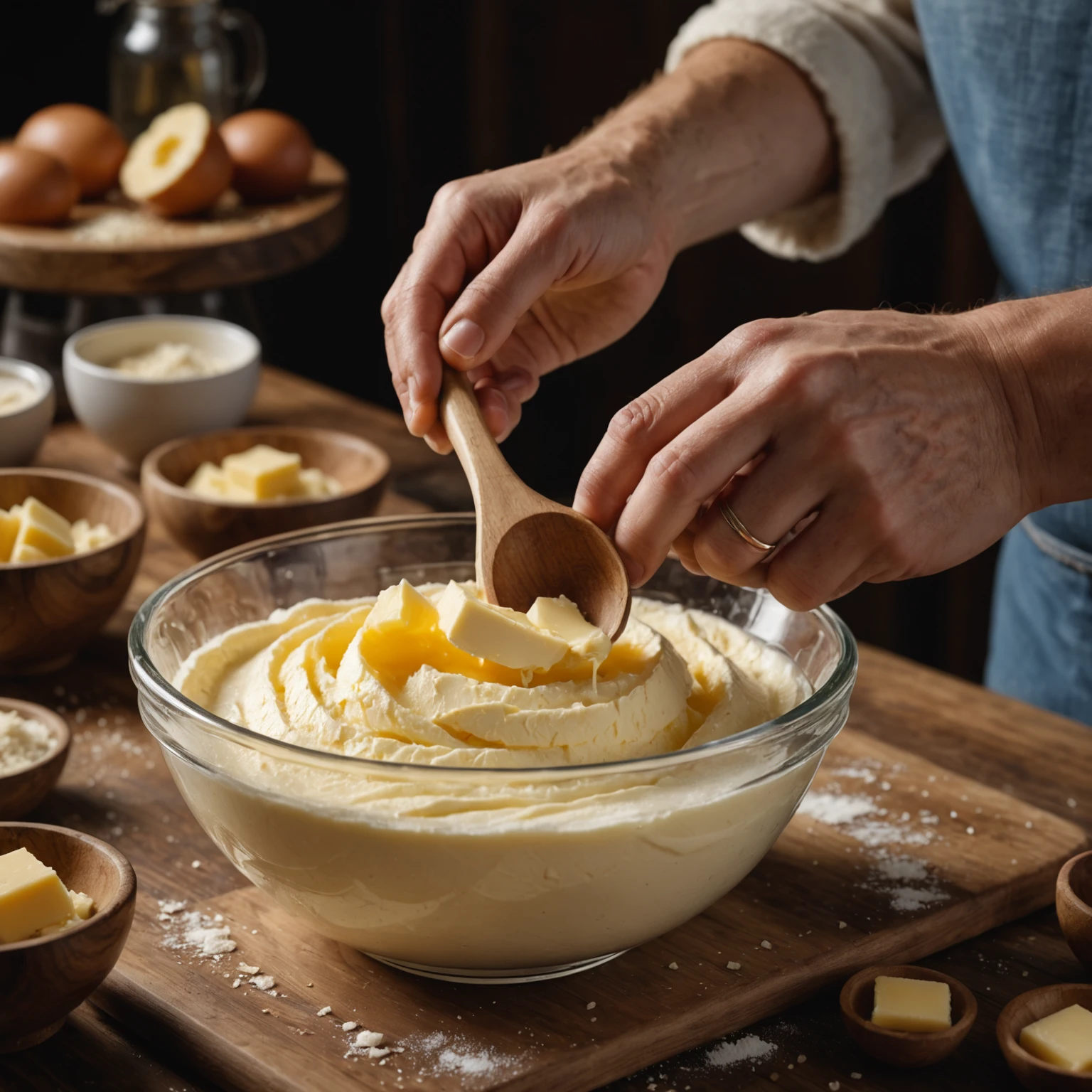
Understanding Mixing Methods and Their Impact
The way ingredients are combined directly influences the texture and quality of your baked goods. Familiarize yourself with these essential mixing techniques:
- Creaming: Beat softened butter and sugar together until light and fluffy. This incorporates air, helping cakes and cookies rise with a tender crumb.
- Folding: Gently combine delicate ingredients, such as whipped egg whites or cream, to preserve air bubbles and maintain a light, airy texture.
- Blending: Mix ingredients until just combined to avoid developing gluten excessively, which can lead to tough baked goods. Overmixing is a common mistake, especially in muffins and quick breads, that impacts final texture negatively.
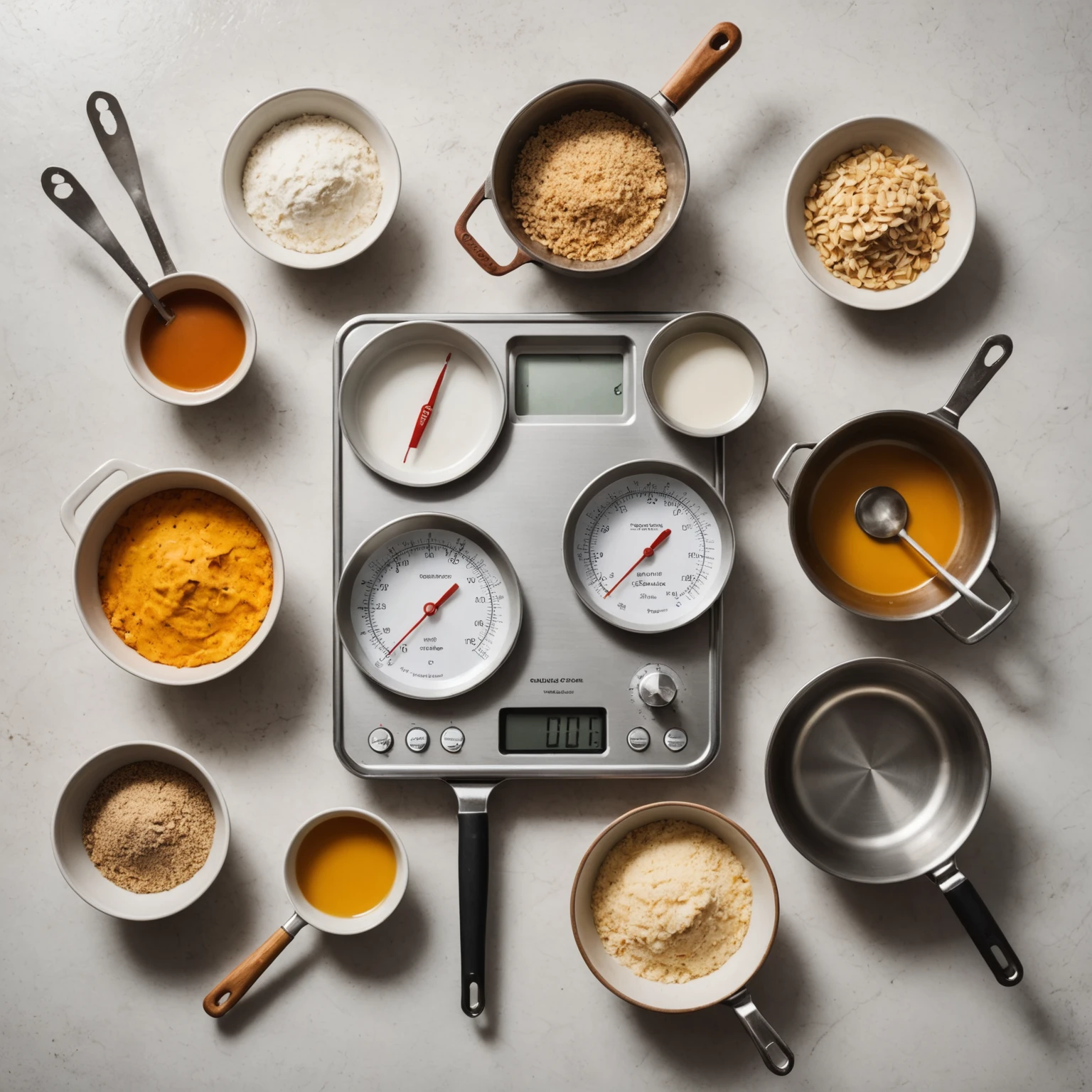
Adjusting Oven Temperature and Baking Times Effectively
Every oven is unique—temperature variations and heat distribution can change baking outcomes. Adapt to your oven by:
- Using an oven thermometer: Regularly check your oven’s actual temperature to bake reliably.
- Monitoring doneness cues: Look for visual signs like golden edges and a set center, and use tools like the toothpick test to ensure thorough baking.
- Positioning: Bake on the middle rack for even heat exposure, and avoid overcrowding to maintain proper airflow.
Adjust baking duration when altering pan sizes or oven temperatures. Higher temperatures reduce bake time but may increase burning risk; lower temperatures require longer baking to achieve doneness.
Practical Tips to Enhance Your Baking Confidence
- Organize ingredients before starting: Preparing and measuring everything ahead streamlines the process and minimizes errors.
- Be patient: Allow batters and doughs to rest as directed, which often improves texture and flavor development.
- Keep a baking journal: Record recipes, modifications, and results to track progress and learn from each bake.
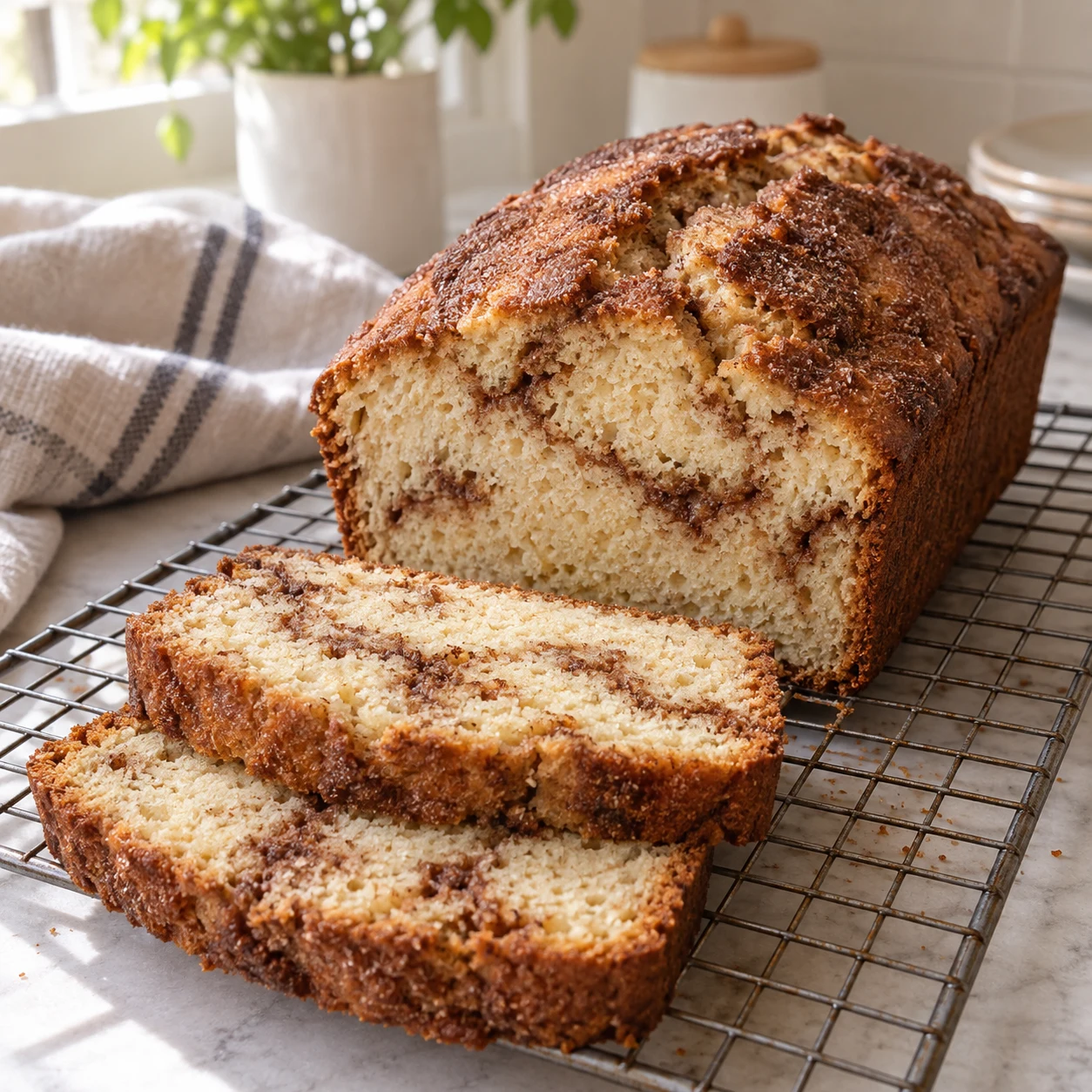
By mastering these foundational baking techniques and approaches, beginners can improve both their results and overall baking experience. As your skills grow, you’ll find recipes like the Classic Cinnamon Swirl Quick Bread and Lemon Blueberry Muffins with Maple Glaze easier and more enjoyable to prepare.
Approach every baking session as a learning opportunity—your confidence and creations will rise together!