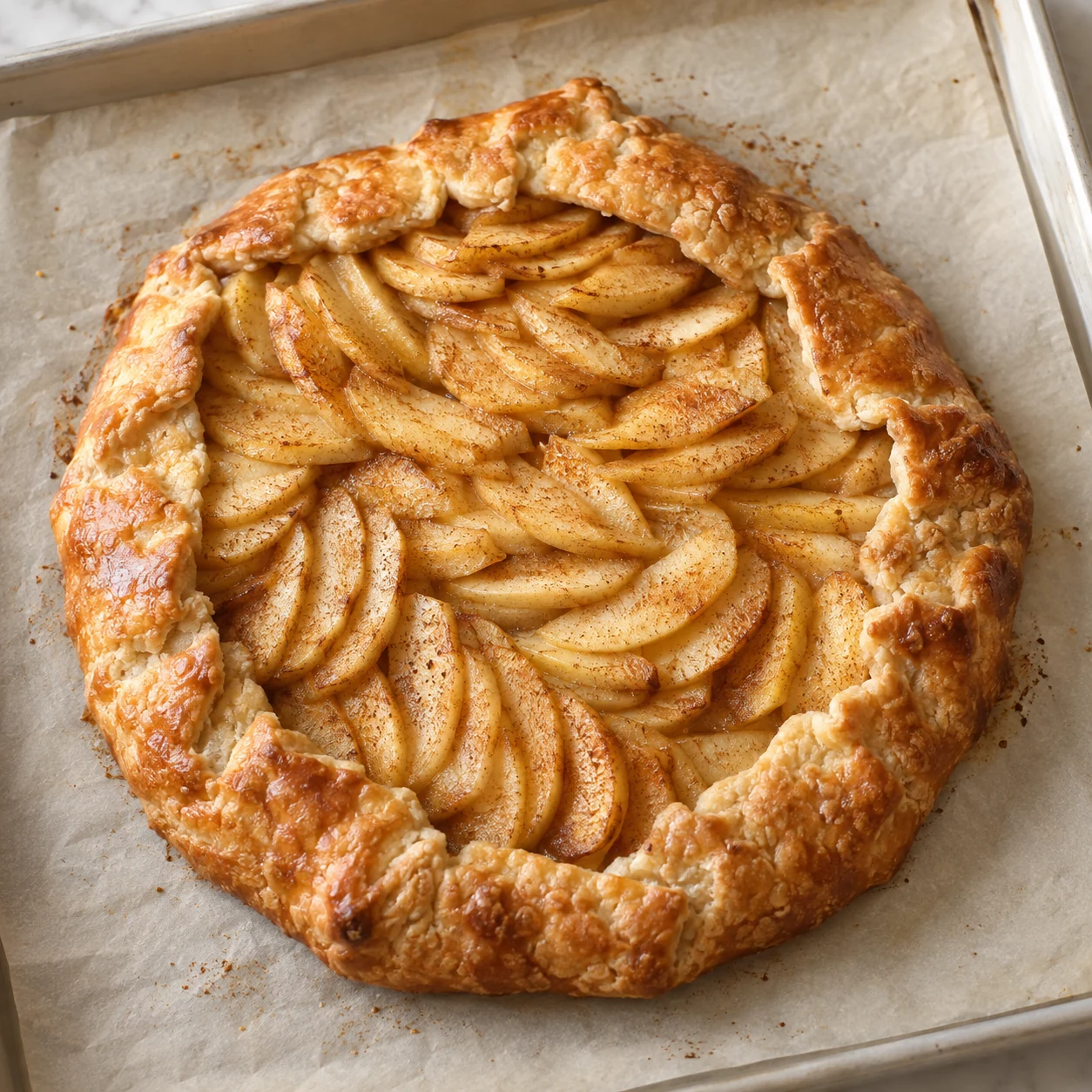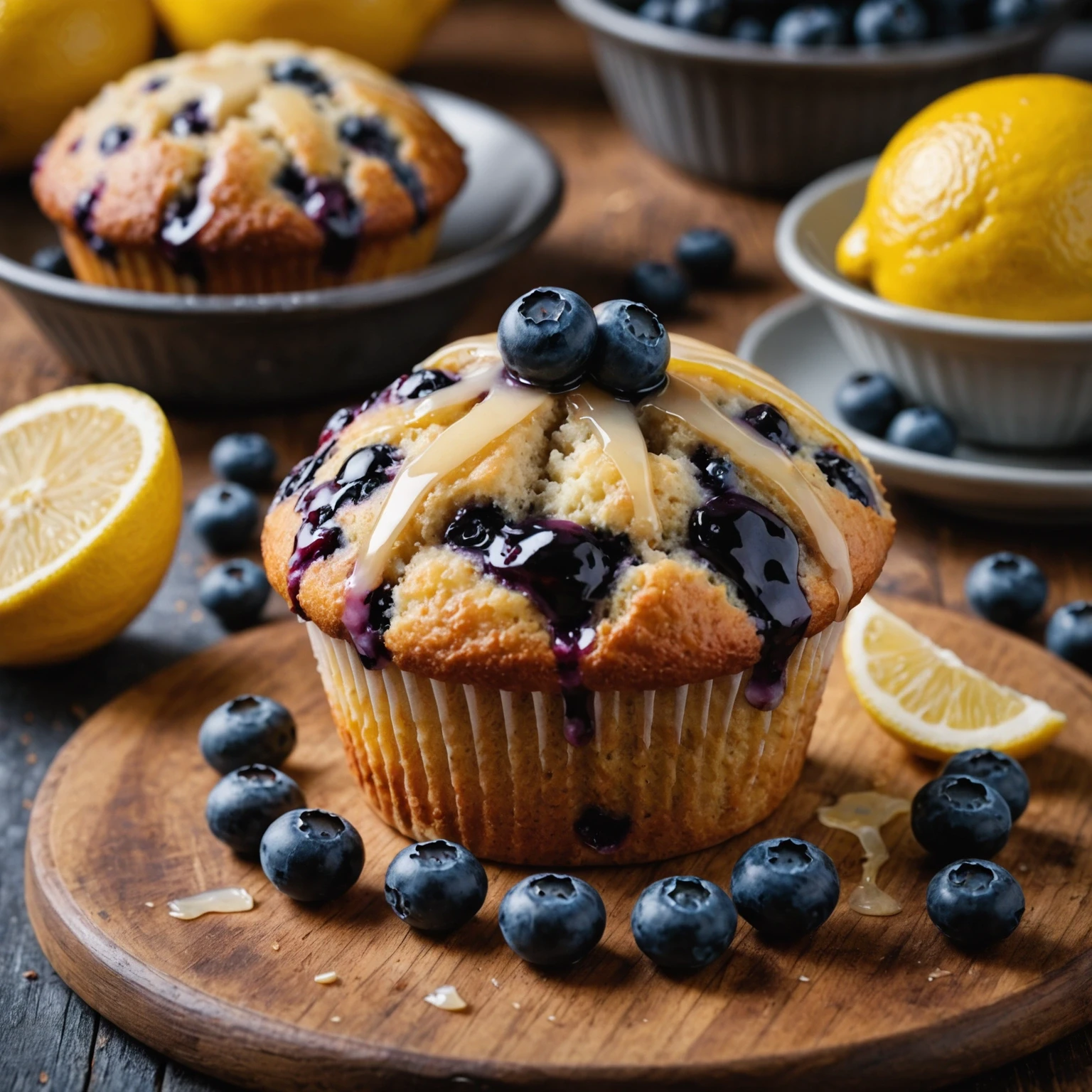
Glazing and icing are transformative finishing techniques that elevate the appearance and taste of your baked goods. Although often seen as simple steps, mastering the right texture, timing, and flavor balance can dramatically improve your desserts.
The Importance of Glazing and Icing in Baking
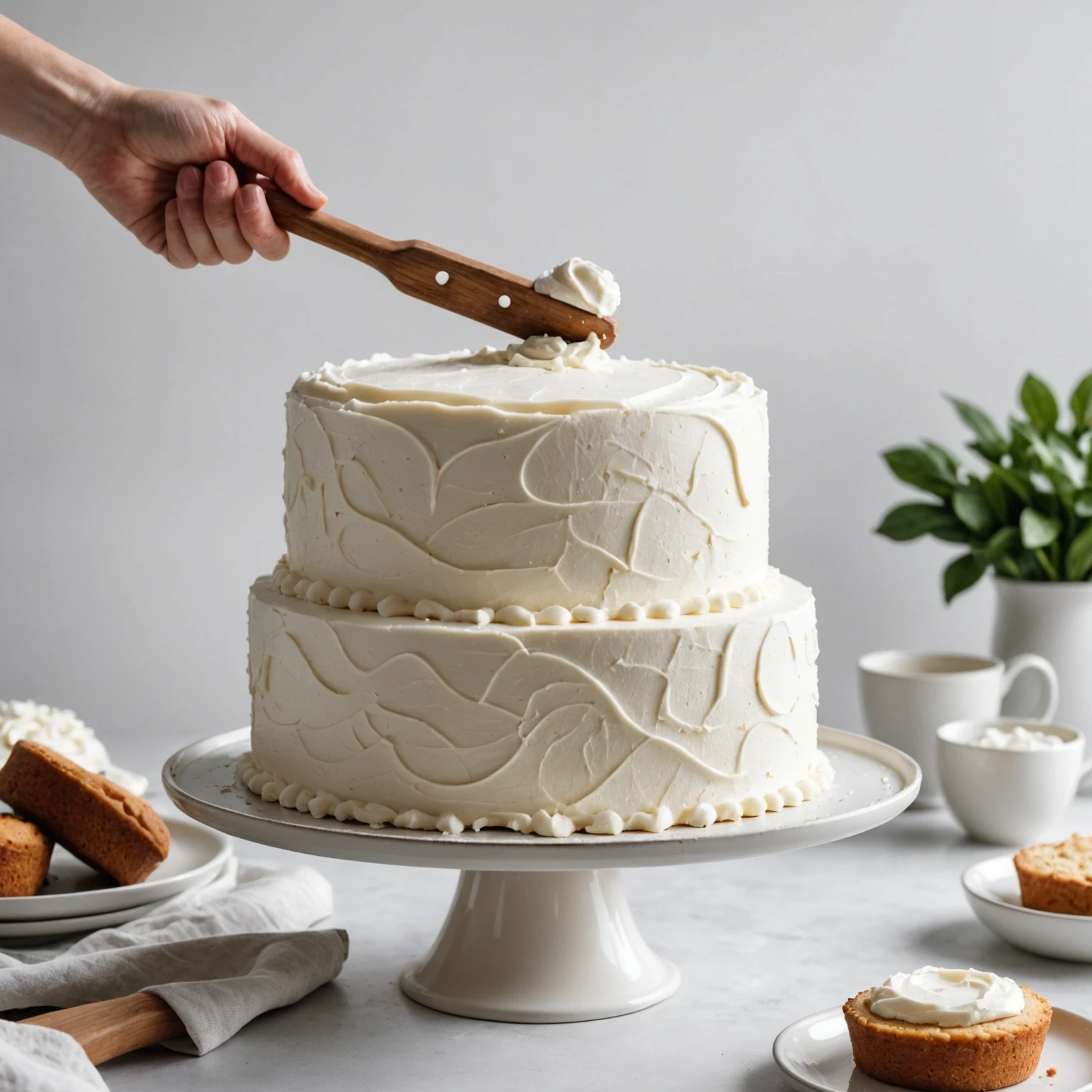
Glazes and icings add moisture, sweetness, and texture contrast while giving your baked goods a polished, professional look. Whether it’s a thin, glossy glaze that seeps subtly into pastries or a thick, creamy icing that holds decorative shapes, the choice of finish influences both visual appeal and flavor experience.
Choosing the Right Glaze or Icing for Your Baked Goods
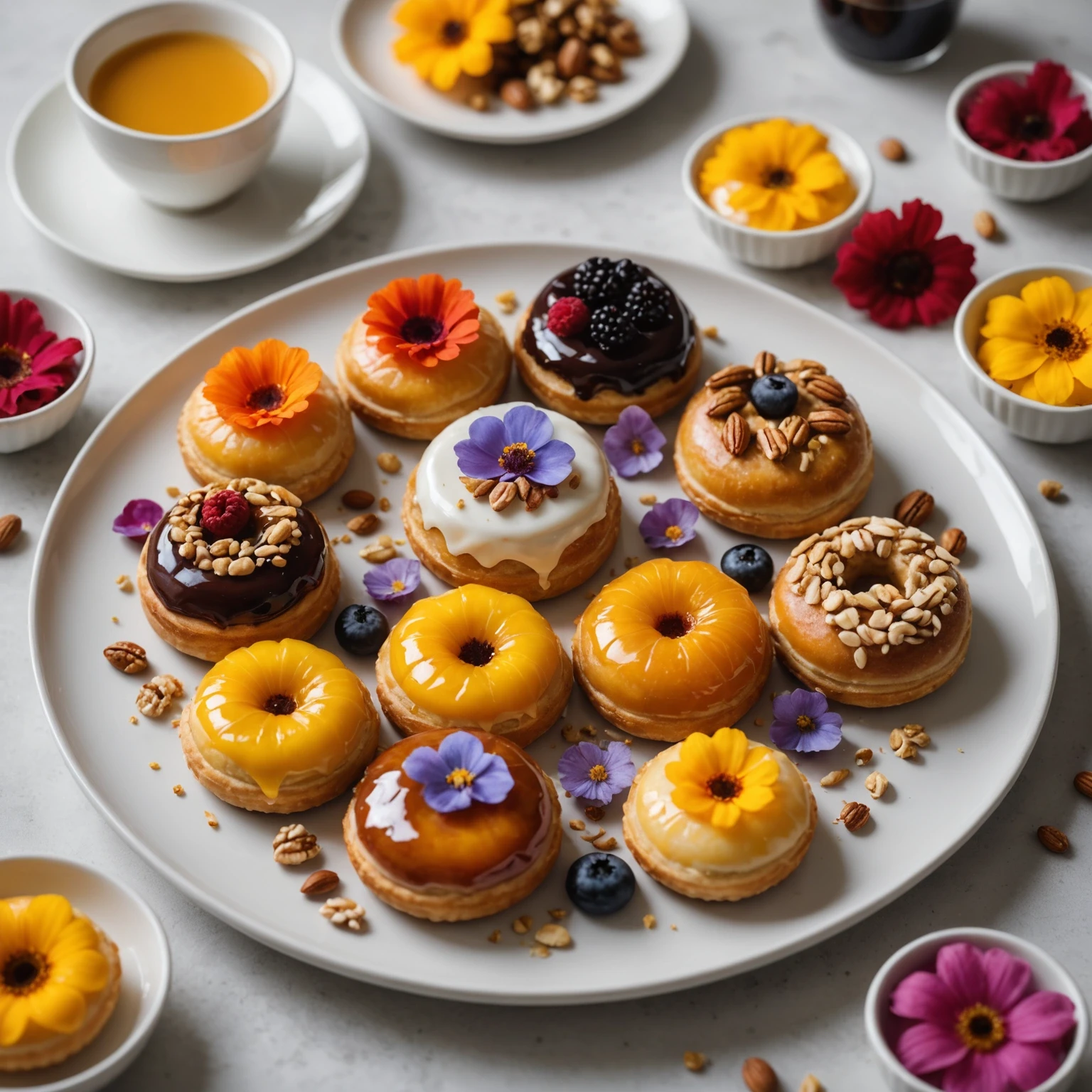
- Glazes: These are usually thin, shiny coatings made from powdered sugar mixed with liquids such as milk, fruit juice, or syrup. Glazes provide gentle sweetness and a delicate sheen without overshadowing the baked item’s natural flavors or texture.
- Icings and Frostings: Thicker and richer, icings often use butter, cream cheese, or plant-based spreads combined with powdered sugar. They add depth and richness while serving as a base for intricate piping and decorative details.
Selecting the appropriate finish depends on your baked creation’s texture and flavor profile. For example, a light maple glaze complements the tender crumb and fruity notes of Lemon Blueberry Muffins with Maple Glaze, enhancing them without added heaviness. In contrast, dense frostings work well on cakier baked goods that benefit from a substantial layer.
Techniques to Achieve Perfect Glazing and Icing
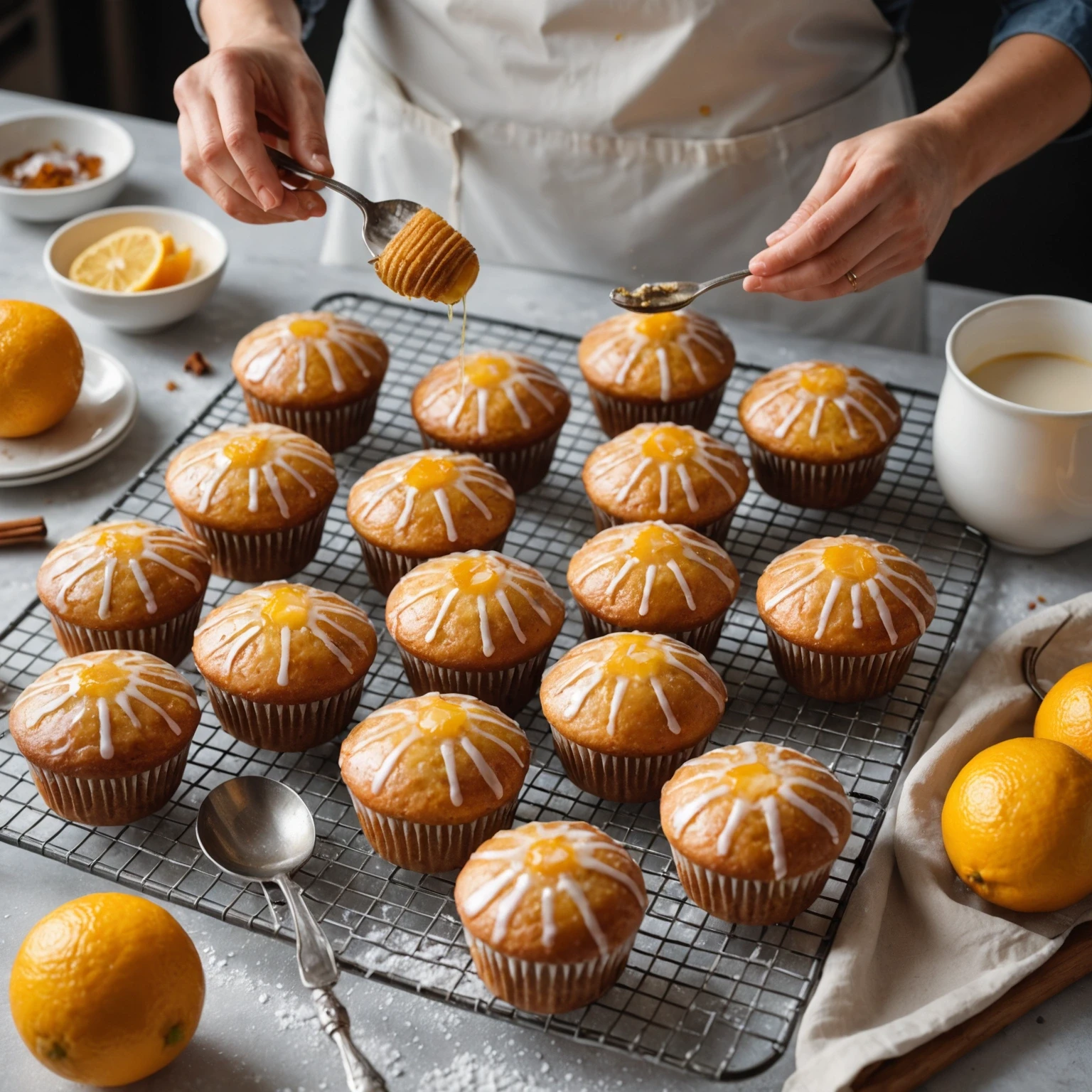
- Timing Matters: Apply glaze or icing when your baked goods are completely cooled or just warm enough to absorb without melting or running.
- Use the Right Tools: A spoon or fork works well for spreading delicate glazes, while offset spatulas help apply icing smoothly and evenly.
- Adjust Consistency Thoughtfully: Thin your glaze or icing with small amounts of liquid for a pourable texture or add powdered sugar to thicken it for spreading and piping.
- Layer with Care: For thick frostings, apply multiple thin layers and chill between coats to prevent drips and achieve a flawless finish.
Enhancing Visual Presentation with Glaze and Icing
To create visually stunning baked goods:
- Add texture using toppings like chopped nuts, seeds, or sprinkles.
- Introduce color accents such as citrus zest, edible flowers, or ground spices to complement flavors.
- Design patterns through piping, swirling multiple icings, or dusting with powdered sugar for artistic effects.
Balancing Flavors in Your Finishing Touches
Steer clear of overly sweet or one-dimensional coatings by:
- Incorporating citrus juice or zest to brighten flavors and cut richness.
- Adding warming spices like cinnamon or nutmeg to add complexity.
- Using a pinch of salt to enhance sweetness and overall taste.
Common Glazing and Icing Challenges—and How to Fix Them
- Glaze is too runny? Gradually add powdered sugar and refrigerate briefly to thicken.
- Icing is difficult to spread? Soften at room temperature and stir gently before use.
- Cracked or uneven icing surface? Ensure baked goods are fully cooled before applying icing.
Glazing and icing allow you to showcase your baking creativity while improving both flavor and appearance. Utilizing these tips, beginner bakers can confidently create impressive, delicious finishes that delight every time.
Dive deeper into practical glazing by trying treats like the Winter Spiced Pear and Walnut Muffins with Maple Glaze, a perfect example of how a simple glaze adds warmth and texture.
Happy glazing and icing—the finishing flourish that makes your baking shine!
For a simple drizzle technique in action, the Pumpkin Spice Cookies with Maple Drizzle show how a light maple finish can add shine, flavor, and seasonal warmth without making the recipe complicated.
For a beginner-friendly decorating project, make Soft Sugar Cookie Cutouts Recipe with Easy Royal Icing Decoration, a practical way to practice smooth icing, clean edges, and simple party-ready designs.