Flavor & Ingredient Tips
Beginnerbakes
Classic British Scottish Shortbread Fingers with Sea Salt Topping
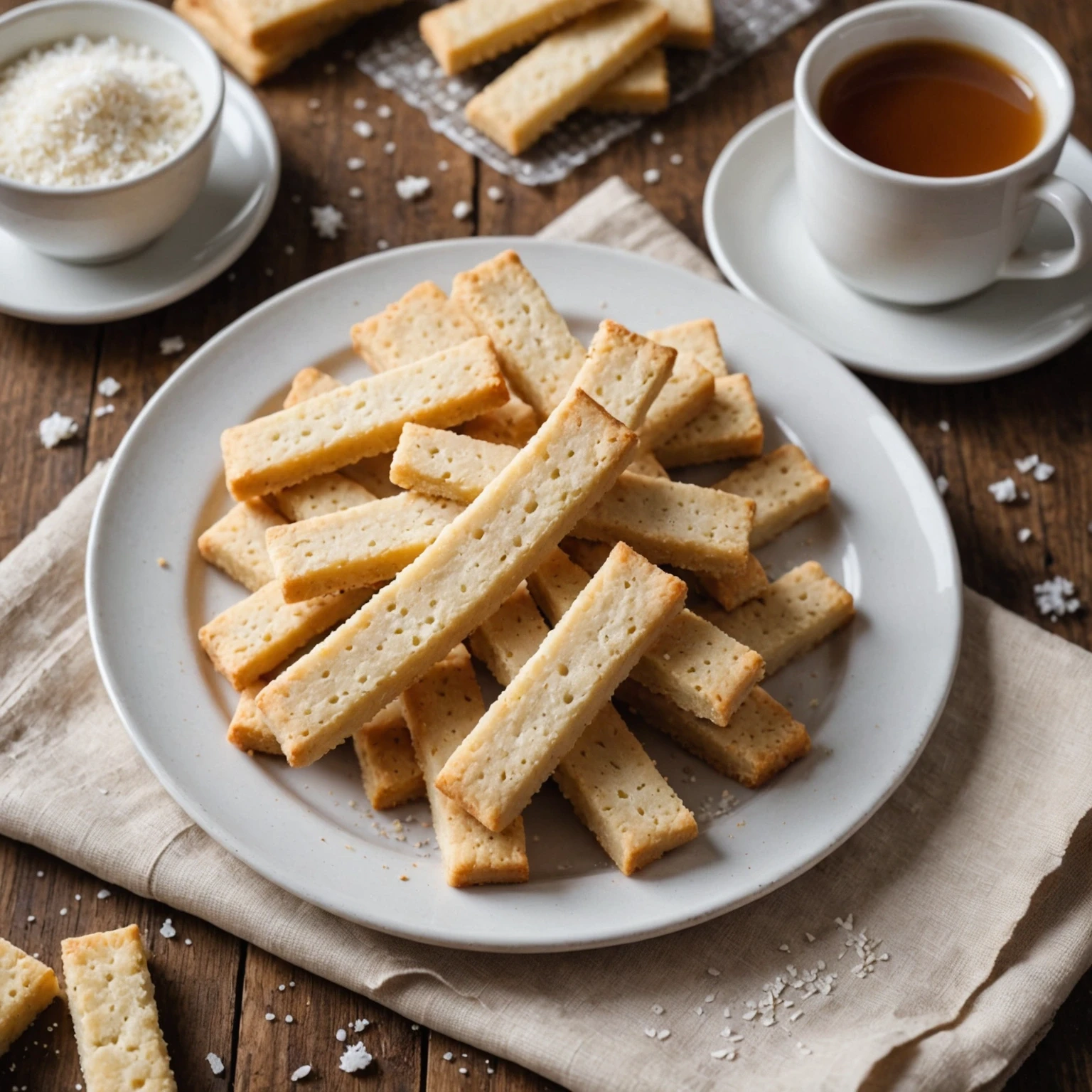
Make traditional Scottish shortbread fingers with a buttery, crumbly texture enhanced by a fine sea salt topping. This beginner-friendly recipe uses simple ingredients and straightforward instructions, perfect for winter holiday baking, parties, or satisfying snack cravings with a classic British cookie.
Ingredients
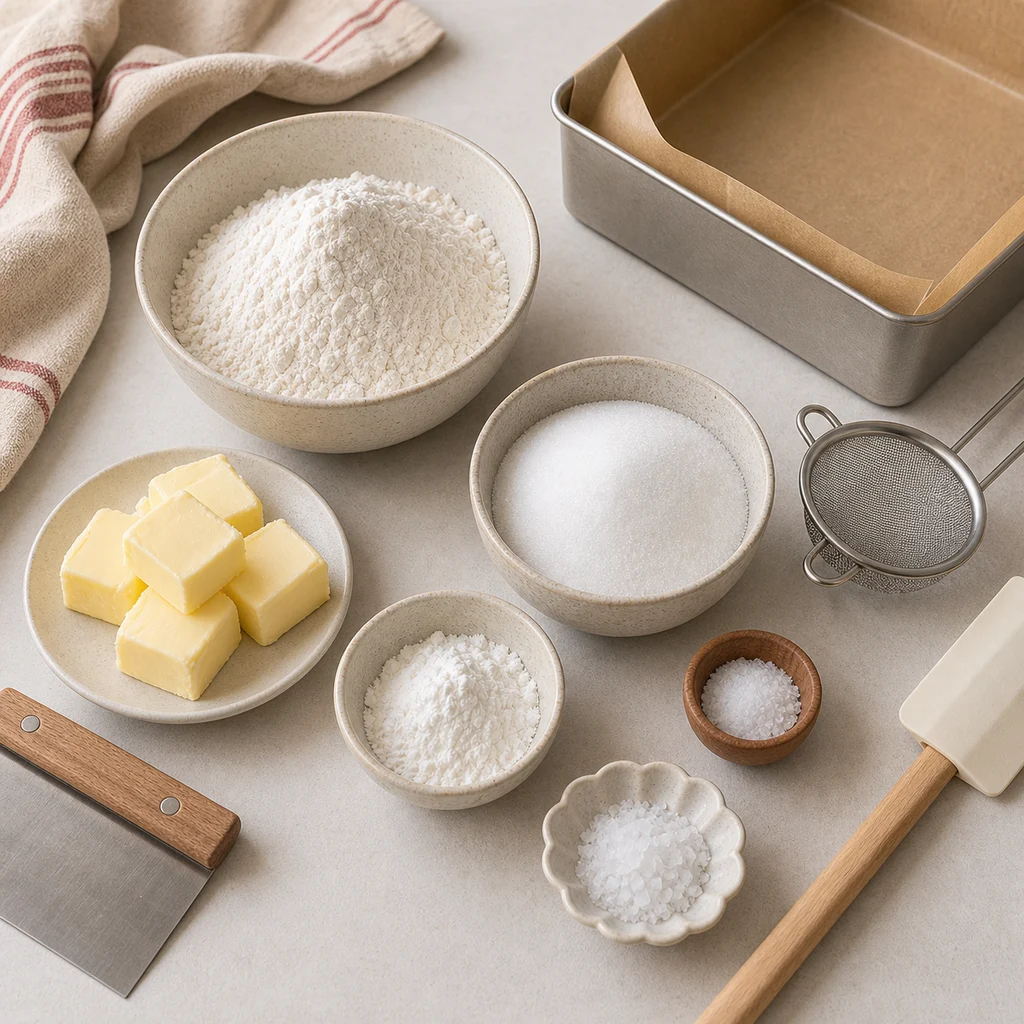
- 225g (1 cup) unsalted butter, softened
- 100g (1/2 cup) granulated sugar
- 225g (1 3/4 cups) plain/all-purpose flour
- 100g (3/4 cup) rice flour or cornstarch (for crumbly texture)
- 1/2 teaspoon fine sea salt, plus extra for sprinkling on top
Instructions
-
Preheat oven to 160°C (320°F). Line a 9x9 inch (23x23 cm) square baking tin with parchment paper, leaving overhang for easy shortbread removal.
-
In a large mixing bowl, cream the softened unsalted butter and granulated sugar together using an electric mixer or wooden spoon until pale and creamy, about 2-3 minutes.
-
Sift together the plain flour, rice flour (or cornstarch), and 1/2 teaspoon fine sea salt in a separate bowl for even texture.
-
Gradually fold the dry ingredients into the butter-sugar mixture, using a spatula or your hands. Gently combine until the dough forms a soft, non-sticky ball. Avoid over-mixing to keep crumbly texture.
-
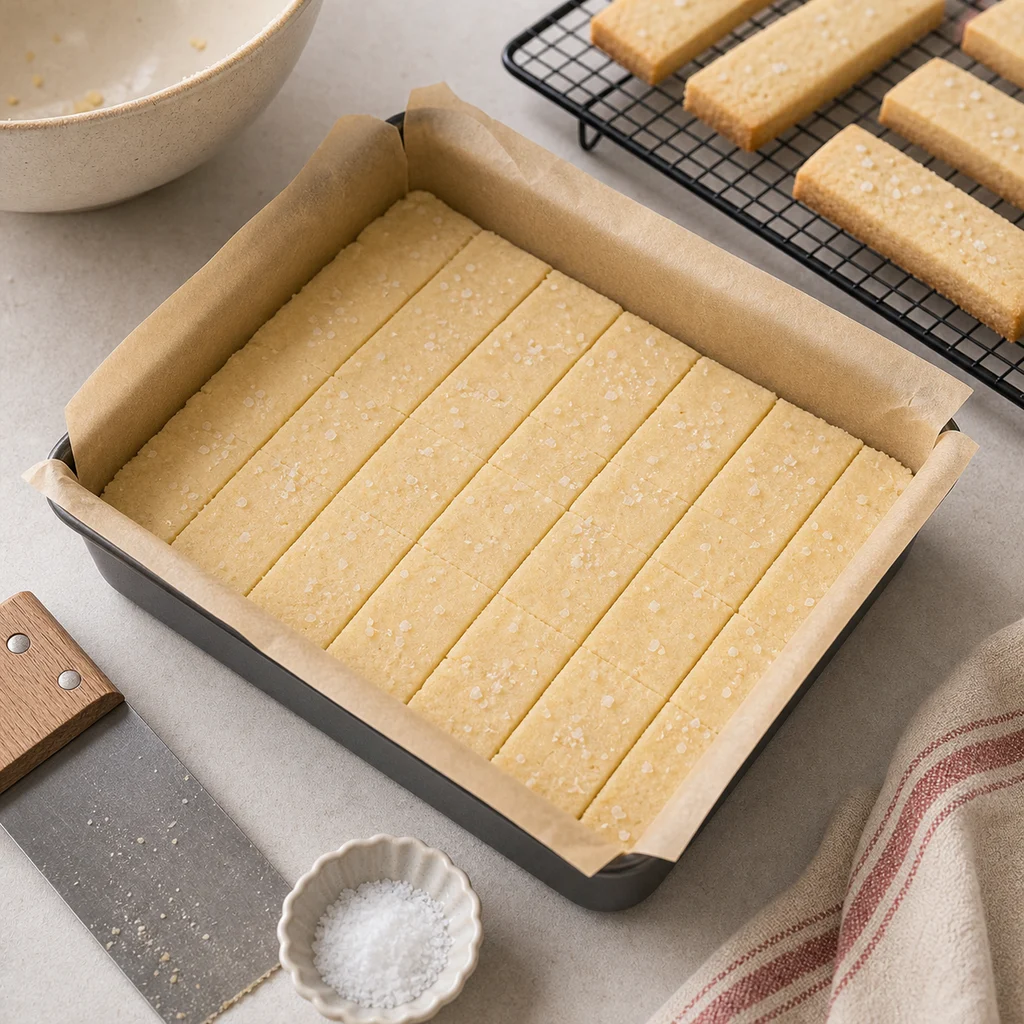
Press the dough evenly into the prepared baking tin with your fingers or the back of a spoon, smoothing the surface for an even bake.
-
Lightly score the dough into 24 rectangular fingers (6 rows by 4 columns) with a knife or bench scraper, without cutting through completely. This scoring creates classic shortbread fingers and makes breaking easier after baking.
-
Sprinkle a light pinch of fine sea salt evenly over the scored surface for a balanced buttery-salty finish.
-
Bake the shortbread for approximately 25 minutes until pale golden and firm but not browned. Monitor to avoid over-baking which dries them out.
-
Allow the shortbread to cool in the tin for 10 minutes to firm up, then carefully lift it out using the parchment overhang.
-
Once fully cooled on a wire rack, cut completely along scoring lines to separate individual shortbread fingers.
-
Store fingers in an airtight container for up to one week or freeze for extended freshness.
Frequently Asked Questions
Reader questions and answers for this recipe will appear here.
Adjust this classic shortbread recipe with these substitutions to accommodate dietary needs or ingredient availability while keeping the signature buttery, crumbly texture:
- Butter: Replace with plant-based margarine or firm coconut oil for dairy-free/vegan versions. Coconut oil impacts flavor slightly.
- Granulated Sugar: Substitute with coconut sugar, maple sugar, or erythritol for lower-glycemic or different flavor profiles; note these may change browning and sweetness.
- Plain Flour: Use a gluten-free all-purpose baking blend containing binders like xanthan gum to make gluten-free shortbread.
- Rice Flour or Cornstarch: Potato starch or tapioca starch work well as alternatives for maintaining the crumbly texture.
- Sea Salt: Fine salts like Maldon flaky sea salt add crunchy bursts on top, while any fine salt works in the dough.
These ingredient swaps keep the recipe simple and adaptable, perfect for inclusive holiday and winter baking experiences.
Equipment Needed
Gather these essential baking tools to make the Classic British Scottish Shortbread Fingers with ease:
- 9x9 inch (23x23 cm) Baking Tin: A square tin for uniform shaping and baking of the shortbread, lined with parchment paper for easy lifting.
- Parchment Paper: Prevents sticking and facilitates clean removal from the tin.
- Electric Mixer or Wooden Spoon: For creaming butter and sugar efficiently. An electric hand mixer speeds up the process but mixing by hand is perfectly fine.
- Mixing Bowls: Two bowls work best: one large for creaming butter and sugar, one medium for sifting dry ingredients.
- Sieve or Sifter: Ensures evenly sifted dry flours and salt for smooth dough texture.
- Spatula or Hands: Gently combines dough ingredients without overworking.
- Knife or Bench Scraper: To score the dough into even fingers before baking, making classic presentation and easy portioning.
- Oven Mitts: For safe handling of hot tins.
- Wire Cooling Rack: Allows shortbread to cool evenly and firm up.
Having these tools ready ensures a smooth, beginner-friendly baking experience for this classic Scottish shortbread recipe.
Ingredient Prep Notes
Butter: Use unsalted butter at room temperature, as it blends more easily and helps achieve the crumbly, tender texture typical of quality shortbread. Avoid using melted butter to prevent greasy dough.
Sugar: Granulated white sugar is recommended for subtle sweetness and slight crunch; superfine sugar can be used for a finer texture. Brown sugar is discouraged as it adds moisture and alters crispness.
Flour: A combination of plain (all-purpose) flour and rice flour or cornstarch creates a tender, melt-in-the-mouth crumb. Rice flour typically yields a softer texture, but cornstarch is a suitable alternative. For gluten-free baking, substitute plain flour with a gluten-free all-purpose blend that includes a binder.
Sea Salt: Fine sea salt used in dough and sprinkled on top provides a delicious, balanced salty note. Fine table salt is an acceptable substitute, but avoid coarse salt for topping as it may be too crunchy.
Substitutions: For dairy-free or vegan versions, replace butter with a firm plant-based margarine or specialized vegan baking butter. For sugar, coconut sugar can add a caramel note but may darken the dough.
General Tips: Weigh ingredients precisely—especially flours—to maintain texture. Handle dough gently to avoid toughening. Cream butter and sugar until pale and fluffy for optimal shortbread crumb.
Oven Note
Key oven tips for baking perfect Scottish shortbread fingers, especially helpful for beginners:
- Preheat fully: Heat your oven to 160°C (320°F) before baking to ensure even cooking at a moderate temperature.
- Position on middle rack: Place the baking tin on the center rack to promote balanced heat circulation and prevent burnt edges.
- Limit oven door opening: Avoid frequent checking during baking to maintain consistent temperature, only peek near baking end.
- Watch for doneness: Look for a pale golden color and firmness to touch, not browning, indicating perfectly baked shortbread.
- Use an oven thermometer: This helps verify actual oven temperature, compensating for any inaccuracies in oven dials.
- Cool in the tin: Let shortbread firm up in the baking tin before lifting out to prevent breakage. Use the parchment overhang to assist easy removal.
Following these tips will yield consistently tender, crumbly, and buttery shortbread fingers ideal for festive and everyday enjoyment.
Easy Upgrade Ideas
Elevate your classic Scottish shortbread fingers with these simple, beginner-friendly upgrades perfect for holiday treats, parties, or anytime snacking:
- Chocolate Drizzle: Drizzle melted dark or white chocolate over cooled fingers and optionally sprinkle crushed nuts or edible glitter.
- Citrus Zest: Add finely grated lemon or orange zest to dough for a fresh, bright flavor contrast.
- Warm Spices: Incorporate a pinch of cinnamon, nutmeg, or cardamom to add cozy spice notes ideal for winter.
- Nutty Addition: Fold in toasted chopped almonds, pecans, or hazelnuts to introduce delightful crunch and flavor.
- Sea Salt Variations: Use smoked or flavored salts (e.g., rosemary, chili flakes) in place of regular sea salt for gourmet finishing.
- Fruit Dips: Serve shortbread with raspberry or apricot jam for a sweet and tangy pairing at parties.
- Vegan/Dairy-Free Swap: Use plant-based butter alternatives and enjoy the same crumbly texture and flavor.
- Decorative Frosting: Ice with a thin layer of royal or sugar icing and pipe holiday designs for festive presentation.
These easy enhancements enrich the flavor and look of your shortbread while keeping the recipe approachable for beginner bakers.
Related Articles
Read related air fryer guides and cooking tips.
More Recipes
Explore more recipes you may like.
Reviews
Rate this recipe and share a photo of your result.
No reviews yet.
Save this recipe
Log in to keep this recipe in your favorites.
Reset password Register